
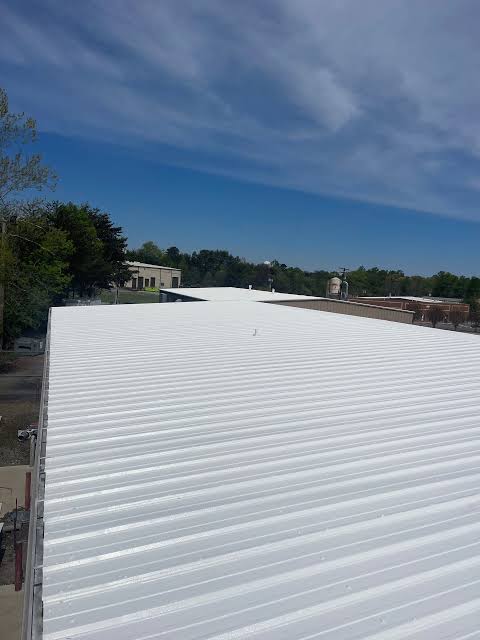
Commercial roofing is a major investment, and the cost of roof problems can extend far beyond the roofing system itself.
The National Roofing Contractors Association (NRCA) notes that the roof system now represents approximately 3% to 6% of a building’s total cost, compared with about 1% to 2% historically.
The organization also emphasizes that moisture intrusion can damage ceilings, walls, furnishings, and insulation while reducing the building’s energy efficiency.
For business owners and property managers, searching for commercial roof repairs near me should not be something you do only after a major leak develops. Small roofing problems can become expensive disruptions when they are ignored.
Timely inspections, maintenance, and repairs can help protect your property, reduce operational risks, and extend the useful life of your commercial roof.
Small Roof Problems Can Become Major Repairs
Commercial roofs are constantly exposed to sunlight, rain, wind, temperature changes, debris, foot traffic, and equipment-related wear. Over time, these conditions can cause problems such as:
- Cracked or deteriorated flashing
- Damaged membrane sections
- Loose seams
- Punctures and tears
- Blocked drains and gutters
- Ponding water
- Damaged roof penetrations
- Deteriorated sealants
- Wet insulation
A minor defect may not immediately affect your business. However, water can enter through surprisingly small openings and travel through roofing materials before becoming visible inside the building.
This is why early intervention matters. NRCA guidance recommends regular visual inspections and immediate repair of defects before moisture enters the roof system or building interior.
1. Prevent Water Damage
One of the biggest reasons to arrange commercial roof repairs quickly is to prevent water intrusion.
A leaking commercial roof can damage more than the roofing membrane. Water may reach:
- Ceilings and drywall
- Electrical components
- Insulation
- Flooring
- Furniture
- Machinery
- Stored inventory
- Documents and equipment
Moisture can also remain hidden within the roofing assembly. NRCA points out that insulation can become saturated even when a roof appears acceptable from the surface, potentially affecting the roof’s thermal efficiency.
Getting a professional to investigate a leak early can therefore prevent a relatively manageable roofing issue from becoming a much larger building repair project.
2. Reduce Business Disruptions
A commercial roof protects the space where your business operates. When the roof fails, normal operations may be interrupted.
For example, a warehouse could experience water damage to inventory, while an office may need to relocate employees away from affected areas. A retail business could face damaged merchandise or an unpleasant customer environment.
Manufacturing facilities can face even greater consequences if water reaches machinery or production areas.
Timely commercial roof repairs help reduce the likelihood that a roofing problem becomes an operational emergency. NRCA describes proactive maintenance as a way to identify problems early and improve response time when leakage occurs.
3. Control Long-Term Roofing Costs
Delaying a repair can appear to save money in the short term, but the underlying problem may continue to worsen.
Consider a damaged flashing detail. If repaired early, the issue may be limited to the affected component. If water repeatedly enters the roofing assembly, however, additional materials may become damaged.
The repair may eventually involve:
- Locating the source of moisture.
- Removing damaged roofing materials.
- Replacing wet insulation.
- Repairing the underlying deck or substrate if necessary.
- Restoring the membrane.
- Repairing interior finishes.
This is why the cheapest roofing decision is not always the one with the lowest initial price. Preventive maintenance allows building owners to identify problems before they require extensive corrective work.
4. Extend the Life of Your Commercial Roof
Replacing a commercial roof is a significant capital expenditure. One of the best ways to protect that investment is through regular inspections and timely repairs.
NRCA states that comprehensive preventive maintenance can help protect the investment in a roof system and provide opportunities to extend its useful life.
A professional roofing contractor can assess the condition of your roof and identify developing issues before they become severe.
Regular maintenance may include:
- Roof inspections
- Drain and gutter cleaning
- Flashing inspections
- Seam assessments
- Sealant checks
- Membrane repairs
- Roof penetration inspections
- Moisture detection
- Post-storm inspections
The goal is simple: address manageable problems before they contribute to premature roof failure.
5. Protect Your Building’s Energy Efficiency
Roof damage can also affect energy performance.
According to NRCA, moisture entering a roofing system can reduce the efficiency of thermal insulation, resulting in unnecessary energy waste.
When insulation becomes wet or compromised, the roof assembly may not perform as intended. Your heating and cooling systems may then need to work harder to maintain comfortable indoor temperatures.
While roofing repairs are not a substitute for a complete energy-efficiency assessment, maintaining the roof assembly is an important part of protecting the building envelope.
6. Address Problems After Severe Weather
Storms can expose weaknesses that may not have been obvious beforehand. High winds, heavy rain, hail, falling branches, and debris can damage commercial roofing systems.
Even if you cannot see a leak immediately, it is worth arranging a professional inspection after significant weather events.
Look for warning signs such as:
- New water stains
- Missing or damaged flashing
- Visible membrane damage
- Standing water
- Loose roofing materials
- Damaged rooftop equipment
- Blocked drainage systems
- Interior dripping
A prompt inspection can help identify storm-related damage before it develops into a larger problem.
7. Why Choose Local Commercial Roof Repairs Near Me?
When searching for commercial roof repairs near me, proximity is useful, but it should not be your only selection criterion.
A local commercial roofing contractor may be able to respond more quickly to urgent problems and understand regional weather conditions and common roofing requirements.
However, businesses should also evaluate:
- Commercial roofing experience
- Licensing and insurance
- References and reviews
- Experience with your roofing system
- Written inspection reports
- Repair warranties
- Maintenance programs
- Emergency response availability
- Clear estimates and project timelines
NRCA specifically highlights the value of working with professional roofing contractors who understand local building practices, roofing systems, and the local business environment.
When Should You Call a Commercial Roofing Contractor?
You should arrange an inspection if you notice:
- Recurring leaks
- Water stains on ceilings or walls
- Sagging areas
- Ponding water
- Cracked or deteriorated flashing
- Damaged membrane
- Loose seams
- Unusual moisture or odors
- Increased interior humidity
- Damage following a storm
You should also consider routine professional inspections even when there are no obvious problems. Many roofing defects develop before they become visible from inside the building.
Don’t Wait for a Major Leak
A commercial roof is more than a covering over your building. It protects your employees, equipment, inventory, customers, operations, and property investment.
Timely repairs allow businesses to address roofing defects while they are still manageable. They can help prevent water damage, reduce disruption, support energy efficiency, extend roof service life, and make future roofing expenditures more predictable.
The NRCA’s guidance is clear that proactive maintenance is preferable to waiting until a problem becomes a major failure.
If you are searching for commercial roof repairs near me, don’t wait until water is entering your building. Have a qualified commercial roofing professional inspect the problem, determine its underlying cause, and recommend an appropriate repair strategy. Acting early can help protect both your roof and the business operating underneath it.