
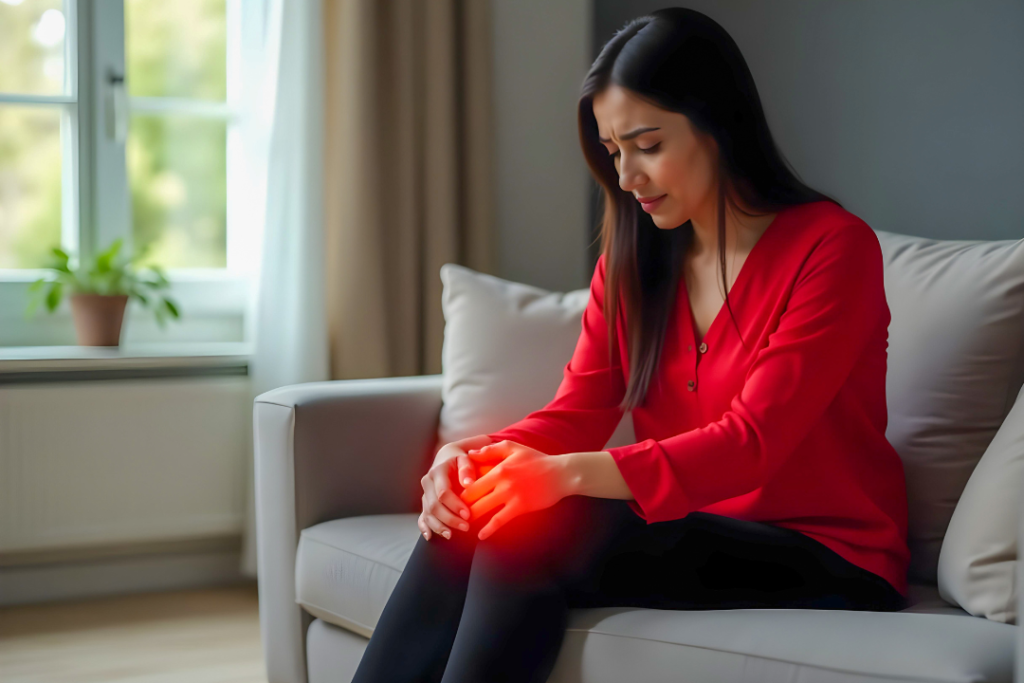
Joint pain during perimenopause can feel unfair. One month your knees are fine, the next your fingers feel stiff opening a jar. The good news is you can usually improve it with a smart mix of movement, recovery habits, and (when needed) medical support.
This guide is built around the common questions people search for, like perimenopause joint pain relief, perimenopause morning stiffness, best supplements for perimenopause joint pain, and does HRT help joint pain in perimenopause. perimenopause joint pain relief
What’s Causing Joint Pain During Perimenopause?
Perimenopause is the transition phase before menopause, when hormone levels fluctuate. Many people notice muscle aches and joint pains during this time.
A few common reasons this happens:
- Hormone fluctuations can affect how your body handles pain and inflammation. Lower and more variable estrogen levels may influence joint lubrication, tendon stiffness, and inflammatory signalling. (This is one reason some people describe it as “arthritis-like,” even when it’s not arthritis.)
- Sleep disruption increases pain sensitivity. Perimenopause often affects sleep, and poor sleep makes aches feel louder the next day.
- Muscle loss and deconditioning can creep in. If you move less because you hurt, you get weaker, and that increases joint load. It’s an annoying loop, but you can break it.
Important note: perimenopause can explain pain, but it should not become the only explanation. Your job is to treat symptoms while staying alert for signs of something else.
Joint Pain vs Arthritis: How to Tell the Difference
People often worry: “Is this perimenopause joint pain or arthritis?”
You cannot self-diagnose arthritis at home, but you can use patterns to decide what to do next:
- More likely hormone-related or non-specific MSK pain: aches in multiple areas, fluctuating symptoms, stiffness that improves once you get moving, pain that tracks with poor sleep or stress.
- More likely inflammatory arthritis (needs evaluation): persistent swelling in joints, warmth, redness, prolonged morning stiffness, worsening fatigue.
If pain is new, persistent, or affecting daily life, a clinician can help rule out common causes and guide treatment. This is where “perimenopause joint pain vs arthritis” becomes a useful conversation starter, not a conclusion.
Red Flags: When Joint Pain Needs Urgent Help
Most perimenopause aches are not emergencies, but some joint problems should be checked quickly.
Seek urgent help if you have:
- A hot, swollen joint (skin feels warm, looks swollen) especially if you also feel unwell or feverish.
- Sudden severe pain and swelling in one joint with fever or chills, which can be a sign of septic arthritis and needs immediate assessment.
If none of the above applies, you can usually start with a practical home plan while arranging a routine appointment if needed.
A Practical 3-Part Treatment Plan
Think of this as a stool with three legs:
- reduce irritation, 2) rebuild strength, 3) improve recovery. If you skip one leg, the stool wobbles.
1) Calm the Flare Without Freezing Your Life
When joints feel cranky, your goal is “less pain, still moving.”
Heat or cold
- Heat often helps morning stiffness in perimenopause.
- Cold can help after activity if a joint feels irritated.
Gentle daily movement
Even on sore days, do a short “keep it moving” routine:
- 5–10 minutes easy walk (indoors counts)
- light joint circles (ankles, wrists, shoulders)
- slow sit-to-stand from a chair
This is not a workout. It is joint maintenance.
Over-the-counter pain relief (if appropriate for you)
In the UK, many people use paracetamol or ibuprofen depending on symptoms and medical history. The NHS notes adults can take ibuprofen and paracetamol together if needed, but it’s sensible to try one first and follow label guidance.
If you have stomach ulcers, kidney disease, are on blood thinners, or have other conditions, ask a pharmacist or clinician before using NSAIDs (like ibuprofen). If you are unsure, default to professional advice.
2) Rebuild Support With Strength Training (This Is the Big One)
If you want the highest return on effort, choose strength work. Strong muscles protect joints by absorbing load.
The Mayo Clinic highlights that exercise can reduce arthritis pain and stiffness and supports joint function. The same principle applies when perimenopause has made joints more sensitive.
Start with 2–3 strength sessions per week (20–30 minutes).
Pick a level that feels manageable. You should finish thinking, “I could do a bit more,” not “I need a new body.”
Simple beginner routine (no gym required)
- Sit-to-stand from a chair (thighs and hips)
- Glute bridges (hips)
- Wall push-ups (shoulders, chest)
- Row with a resistance band (upper back)
- Calf raises (ankles)
- Dead bug or bird-dog (core stability)
For perimenopause knee pain and perimenopause hip pain, strengthening thighs, glutes, and core often reduces daily discomfort because it improves alignment and control.
For perimenopause shoulder pain, focus on upper back strength and gentle shoulder mobility, not endless stretching only.
For perimenopause hand and finger joint pain, use light resistance (therapy putty, soft ball squeezes) and finger mobility, but avoid aggressive gripping during flares.
What about soreness?
A little muscle soreness is normal. Sharp joint pain that worsens during the set is your cue to scale back range, resistance, or swap the exercise.
3) Add Recovery Habits That Make Pain Quieter
These are not “nice to have.” They change pain processing.
Sleep
Perimenopause often disrupts sleep, and poor sleep amplifies aches. The NICE and American College of Obstetricians and Gynecologists both discuss menopause symptom management and the role of hormone therapy for symptom relief in appropriate patients.
If sleep is a major issue, it’s worth treating directly, because better sleep often reduces pain without changing anything else.
Stress management
Stress increases muscle tension and makes pain feel more intense. Keep it simple:
- 10 minutes daily walk outside
- basic breathing (slow inhale, longer exhale)
- short stretching routine before bed
Hydration and pacing
Some menopause resources note that reduced estrogen can affect tissues and contribute to stiffness, and they encourage hydration and suitable exercise choices.
Also pace your day: don’t do everything on your “good morning” and then crash for 2 days.
Diet for Perimenopause Inflammation and Joint Pain
No single food “cures” joint pain, but your eating pattern can reduce inflammatory load and support recovery.
A practical anti-inflammatory approach:
- protein with each meal (supports muscle)
- colourful vegetables and fruit daily
- olive oil, nuts, seeds
- oily fish if you eat it
- reduce ultra-processed foods and excess sugar (helps weight and inflammation)
Weight changes can also affect joint load, especially knees. You do not need a crash diet. Small, sustainable changes win.
Supplements: What Helps, What’s Hype, What’s Safe
This is where many articles get sloppy. Let’s keep it honest.
Vitamin D
Vitamin D supports bone and muscle function, and deficiency is common in some populations. The NHS provides clear guidance on who may need a daily vitamin D supplement and notes the UK recommendation for a 10 microgram supplement in specific situations.
Vitamin D is not a guaranteed joint-pain fix, but correcting a deficiency can improve muscle function and general wellbeing.
Omega-3
Omega-3 fatty acids have evidence for benefits in some inflammatory conditions and are widely discussed for inflammation support. The National Institutes of Health Office of Dietary Supplements summarises research and dosing considerations, and the Arthritis Foundation discusses omega-3s and inflammation in the context of arthritis.
If your joint pain is inflammatory in nature, omega-3 may be worth discussing with your clinician, especially if you do not eat fish.
Magnesium
People often ask about magnesium for joint pain perimenopause. Magnesium plays a role in muscle and nerve function, and low intake may contribute to cramps or poor sleep in some people. But we do not have strong evidence that magnesium specifically treats perimenopause joint pain. If you try it, keep doses sensible and avoid stacking multiple supplements.
“Best supplements for perimenopause joint pain”
The truth: the “best” supplement depends on the cause.
- If you have low vitamin D, vitamin D helps the most.
- If inflammation drives pain, omega-3 may help some people.
- If sleep is the problem, a supplement won’t beat sleep hygiene and medical support.
If you take other medications, check interactions with a pharmacist before starting supplements.
Physiotherapy: When It’s Worth It
If you have persistent pain, recurring flares, or are unsure how to exercise safely, physiotherapy is one of the best investments.
A good physio will:
- check movement patterns and joint loading
- build a progressive plan for strength training for joint pain in perimenopause
- guide tendon issues (useful for perimenopause tendon pain)
- help you return to walking, gym, or sport without fear
If you’ve been stuck in “rest, flare, rest again,” physio can reset the cycle.
HRT for Joint Pain Perimenopause: Does It Help?
Many people ask: does HRT help joint pain in perimenopause?
Hormone therapy can help relieve menopause and perimenopause symptoms for some people, and clinical discussions include its role in overall symptom control.
Some research reviews suggest HRT may benefit menopausal arthralgia (joint pain associated with the transition), particularly when other menopause symptoms are also present.
Key points:
- HRT is a medical decision based on your symptoms, health history, and risk factors.
- It is not “the joint pain pill,” but it can be part of a broader plan.
- If HRT is not suitable, you can still improve pain significantly with strength, physio, sleep, and targeted pain relief.
For UK readers, NICE guidance supports shared decision-making on menopause management, including HRT discussions.
“Blood Tests for Joint Pain and Menopause”: What to Ask For
There is no single “menopause joint pain blood test.” But a clinician may consider tests to rule out other causes based on symptoms, such as:
- vitamin D levels (if deficiency risk is high)
- inflammatory markers if swelling, warmth, or significant stiffness suggests inflammatory disease
- thyroid function if fatigue and aches are prominent
The exact tests depend on your pattern and exam findings, so it’s best framed as: “Can we rule out other causes of my joint pain while we manage perimenopause symptoms?”
A Simple 14-Day Action Plan
If you want a realistic start without overthinking:
Daily (10–20 minutes)
- 10-minute walk
- 5-minute mobility (hips, ankles, shoulders)
- heat in the morning if stiff
3 days per week
- 20–30 minutes strength routine (start easy, progress weekly)
Nutrition
- protein each meal
- add 1 extra portion of vegetables daily
- consider oily fish 1–2 times per week (or discuss omega-3)
Recovery
- consistent sleep and wake time
- reduce late caffeine
- 5 minutes slow breathing before bed
Track symptoms briefly: morning stiffness, energy, worst pain area, sleep quality. Patterns show you what’s working.
When to See a Doctor for Perimenopause Joint Pain
Book an appointment if:
- pain persists beyond a few weeks despite basic self-care
- you have swelling, warmth, redness, or reduced joint function
- pain limits work, sleep, or daily activities
- you suspect inflammatory arthritis or another underlying condition
And treat urgent red flags as urgent, especially hot swollen joints with feverish symptoms.