
Public transport systems play a crucial role in urban mobility, providing affordable and accessible transportation to millions of commuters daily. Among these, CNG (Compressed Natural Gas) vehicles have gained popularity due to their eco-friendliness and cost-effectiveness. However, managing a fleet of CNG vehicles comes with its challenges, including route optimization, fuel monitoring, safety management, and punctuality.
This is where GPS Tracking for CNGs becomes invaluable. By implementing GPS tracking systems, fleet operators and transport authorities can improve efficiency, enhance safety, and provide a better travel experience for passengers. According to a report by Statista, cities adopting intelligent transport solutions have seen a 15–20% increase in fleet efficiency, highlighting the importance of modern tracking technologies.
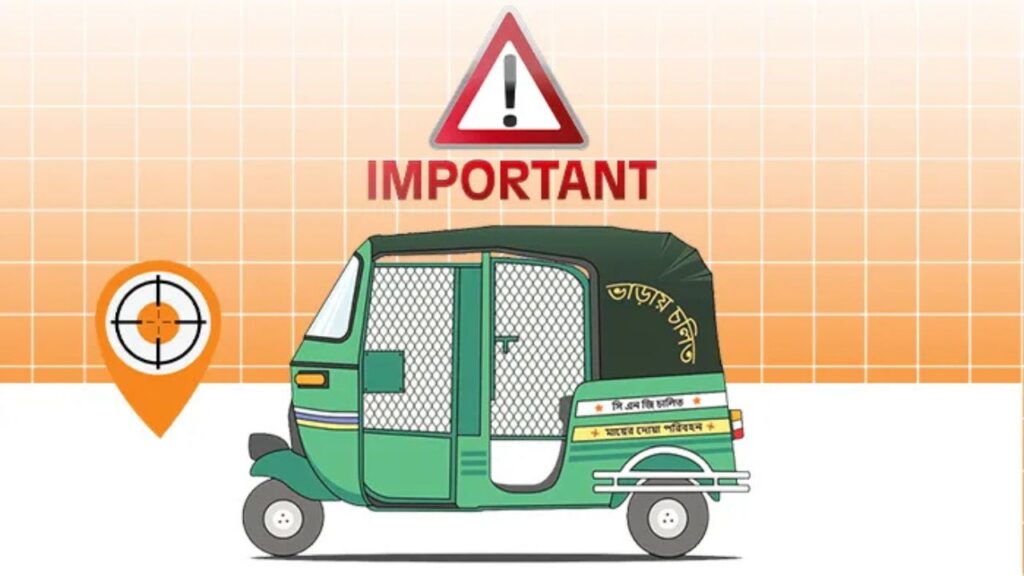
How GPS Tracking Enhances Fleet Management
Real-Time Vehicle Monitoring
With GPS tracking installed in CNG vehicles, fleet operators can monitor vehicle locations in real time. This allows dispatchers to respond quickly to delays, traffic disruptions, or vehicle breakdowns, ensuring that commuters face minimal inconvenience. Real-time monitoring also reduces the chances of unauthorized vehicle usage.
Route Optimization and Efficiency
GPS tracking systems analyze traffic patterns and vehicle routes, allowing operators to optimize travel paths. By identifying faster or less congested routes, transport providers can reduce travel time and fuel consumption. For CNG vehicles, this is particularly important as it directly impacts fuel efficiency and operational cost-effectiveness.
Fuel Management and Reduction of Wastage
Although CNG is a cleaner fuel, fuel consumption remains a major operational concern for public transport operators. GPS trackers can provide insights into fuel usage patterns, helping managers detect excessive idling, unnecessary detours, or inefficient driving practices. By addressing these issues, fleet operators can improve fuel economy and reduce operational losses.
Safety and Security Monitoring
Passenger safety is a top priority in public transport. GPS tracking systems enhance safety by offering features such as:
- Real-time alerts for vehicle overspeeding
- Monitoring harsh braking or sudden acceleration
- Route deviation notifications
- Emergency assistance alerts
These capabilities allow fleet managers to take proactive measures, reducing accidents and ensuring passengers’ well-being.
Advantages of GPS Tracking for CNGs in Public Transport
Improved Punctuality and Schedule Adherence
Commuters rely on timely transport services. GPS trackers help operators maintain punctuality by monitoring vehicle progress along scheduled routes. Alerts for delays or deviations allow quick interventions, reducing wait times at stops and improving overall service reliability.
Passenger Communication and Satisfaction
Modern GPS systems integrate with mobile apps to provide passengers with live updates on vehicle locations, estimated arrival times, and delays. This transparency increases commuter satisfaction and trust in the public transport system.
Theft Prevention and Asset Protection
Public transport vehicles are valuable assets that require protection. GPS trackers act as a deterrent against theft and unauthorized usage. Fleet operators can remotely track vehicles, recover stolen assets quickly, and ensure driver accountability.
Environmental and Economic Benefits
CNG vehicles are already eco-friendly, but GPS tracking enhances their efficiency further. By optimizing routes and reducing idling, fleets lower fuel consumption and emissions. This not only benefits the environment but also aligns with sustainable transport policies.
Data-Driven Decision Making
One of the key advantages of GPS tracking is the ability to collect detailed data on vehicle operations. This includes travel routes, stop times, fuel usage, and driver behavior. By analyzing this data, operators can make informed decisions regarding fleet expansion, maintenance schedules, and driver training programs.
Implementing GPS Tracking for CNG Vehicles
Step 1: Select a Reliable GPS Tracker
Choose a GPS tracking solution designed for public transport vehicles, with features such as real-time monitoring, route optimization, driver behavior alerts, and integration with mobile apps.
Step 2: Install the GPS System
Professional installation ensures that the device functions accurately. It should be securely connected to the vehicle’s power system and positioned for optimal GPS signal reception.
Step 3: Define Monitoring Parameters
Set up geofencing zones, speed limits, and alert thresholds to monitor vehicle activity effectively. Geofencing can notify operators if vehicles deviate from their designated routes or enter unauthorized areas.
Step 4: Train Staff and Drivers
Introduce drivers and fleet managers to the system to ensure proper usage. Training helps in interpreting data, responding to alerts, and implementing efficient driving practices.
Step 5: Monitor, Analyze, and Optimize
Regularly review fleet data to identify trends, inefficiencies, and safety concerns. Use insights to improve routes, optimize fuel usage, and enhance overall service quality.
For more insights on fleet management and GPS solutions for public transport, visit iTracker.
Conclusion
Integrating GPS Tracking for CNGs in public transport fleets offers numerous advantages, including improved safety, fuel efficiency, route optimization, and passenger satisfaction. By leveraging real-time monitoring and data-driven insights, fleet operators can ensure punctual and secure transport services while minimizing operational costs and environmental impact.
Investing in GPS tracking technology is no longer a luxury but a necessity for modern public transport systems. With iTracker’s advanced GPS solutions, CNG fleet operators can streamline operations, enhance service reliability, and provide a safer, more efficient commuting experience for passengers.