
You might assume: take a course, pass the exam, get the license. But in practice, several things trip people up:
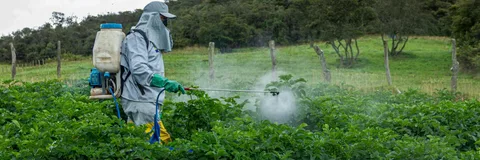
- Eligibility confusion: Do you need experience first or can you start with just training? How many years under someone else’s supervision count?
- Choosing the right certification category: NYS DEC has many categories and sub‑categories (agricultural spray, public health pest control, sales of restricted pesticides, etc.). Picking incorrectly means wasted effort or extra exams later.
- Training (“pesticide classes”) options and cost: Some classes cost a few hundred dollars; some are distance‑learning, others in person. They differ in hours, content, category specificity. Getting the right mix matters.
- Mistakes on paperwork or failing to satisfy all requirements: Things like having your photo on file with NY DMV, not having verifiable experience, or taking improper exams can delay your certification.
These small missteps add up. Many people in NYC, for example, waste time attending wrong courses or applying too early only to be rejected for minor details.
What Happens If You Miss Key Steps
Let me share a case from Brooklyn, NY that illustrates how things can go off track—and how doing it right changes everything.
Case Study: A Brooklyn Greenhouse Run‑around
Sofia owns a small greenhouse in Bushwick, Brooklyn. She wants to apply restricted pesticides to control fungal outbreaks in her orchids, which requires a Certified Commercial Pesticide Applicator license under the DEC.
Here’s what she did:
- She jumped into a generic pesticide safety workshop online, thinking “classes are classes.”
- She then registered for the commercial applicator exam without confirming her eligibility: she had only worked a few months assisting in spray operations (without supervision that tracked hours or pesticide logbooks).
Problems she ran into:
- Her exam application was rejected because the experience she claimed didn’t meet DEC’s requirement (it needed documented work under a certified applicator or approved technician).
- She didn’t have enough credits in the specific category of ornamentals/herbaceous plants, which meant her “general” safety class wasn’t enough.
- Also, her photo wasn’t in the DMV system, so once she passed the exam, she couldn’t get her identification card without that fix.
What she did to correct course:
- She enrolled in a proper 30‑hour pesticide eligibility training course with the DEC‑approved curriculum, focused specifically on ornamentals and turf
- She got a job assisting a licensed commercial applicator (in Brooklyn) who kept daily pesticide use records. That allowed her to meet the experience documentation requirement.
- She checked with NYSDEC ahead of time, made sure her photo was on file with DMV, and verified the right subcategory before paying for the exam.
Outcome: Within about 8 months, Sofia had her pesticide applicator license NY as a Commercial Applicator in the ornamentals & turf category. She avoided repeated course fees, exam rejections, and legal risks.
Step‑by‑Step Path to Securing Your License Smoothly
Based on what trips people up (and how Sofia succeeded), here are the reliable steps, in order, that you should follow:
1. Decide Which Type of Applicator You Need to Be
- Private Applicator: For using restricted pesticides on your own or employer’s agricultural property.
- Commercial Applicator / Technician: For applying pesticides for hire, or applying restricted use pesticides not covered by private categories.
Then pick the correct category / subcategory (ornamentals, turf, public health, etc.). DEC maintains a list of categories and credit requirements.
2. Confirm Your Eligibility
You’ll need to meet at least one of the following (for commercial certification):
- Verifiable experience (1 ‑ 3 years) under a certified applicator, or
- Completion of a 30‑hour DEC‑approved or equivalent training course, or
- A college degree (associate / bachelor) relevant to pesticide work.
- For private applicators, criteria are a bit less strict but still require experience or training.
3. Take Required pesticide classes / Training
- Find DEC‑approved training providers (local Cornell Cooperative Extension, or DEC courses).
- Ensure that the class content matches your category and includes required modules (laws & regs, safety, environmental impact, mixing/calibration).
- If distance learning or in‑person, check which is accepted by DEC for your category.
4. Prepare & Submit Your Exam Application Correctly
- Make sure all eligibility is documented: supervised experience letters (notarized if required), transcripts or course certificates.
- Photo ID from NY DMV must be on file so you can get your certification ID card after passing.
- Complete any required online forms (nForm) correctly and pay fees after the approval invoice arrives.
5. Pass the Exam and Follow Up
- The exam has two parts: core (laws, label reading, safety, environment) + the category/subcategory portion.
- Once passed, submit any remaining fees, ensure your photo ID is ready, and then you’ll receive your license / ID card.
6. Maintain Your License (Recertification, Adding Categories, etc.)
- Licenses expire (usually every 3 years for commercial applicators). To renew, you need continuing education credits: some must be core and some category‑specific.
- If you want to add another category (e.g. you’re certified for ornamentals but want public health pest control too), make sure you meet the additional experience or training requirement before taking the exam.
Why Following the Right Order Matters
If you do things in the wrong order (e.g. taking a course before knowing your category, applying before eligibility is documented), you might:
- Lose money on courses or exam fees.
- Wait months to fix missing documents.
- Be forced to re‑take training.
- Risk using chemicals illegally (if you apply without correct certification), which can lead to fines, liability, or harm.
Sofia’s story above shows how fixing those early missteps makes everything afterward smoother.
Final Thoughts & Key Tips from the Field
- Always double‑check requirements on the NYSDEC site before you begin—rules change.
- Get hands‑on experience early, even before taking all classes—it helps with eligibility and confidence.
- Build relationships with local supervisors or contractors who are certified—they can help verify your experience, and sometimes mentor you.
- Keep records: tags, usage logs, certificates. Having clean documentation saves lots of headaches during application or renewal.
Conclusion
If you’re serious about securing your pesticide applicator license NY and want to fast‑track the process without costly missteps, I can help. Let’s set up a quick call to map out your path—what category fits your goals, what training you need, and a plan you can follow to get certified as smoothly as possible. Reach out now so you can start the process confidently and avoid delays.