
In today’s competitive and fast-evolving business environment, managing people effectively is no longer a secondary function—it is a strategic priority. Organizations of all sizes face increasing challenges related to compliance, workforce engagement, talent acquisition, performance management, and organizational culture. As labor laws become more complex and employee expectations continue to rise, many companies struggle to keep up while also focusing on growth and profitability. This is where expert HR advisory services play a critical role. By offering strategic guidance, risk mitigation, and people-centric solutions, these services help businesses align their human capital with long-term objectives. Instead of reacting to HR problems as they arise, companies can proactively build systems that support productivity, compliance, and sustainable success.
The Growing Complexity of Human Resource Management
Human resource management has evolved far beyond payroll processing and basic hiring. Modern HR functions now encompass employee experience, diversity and inclusion initiatives, workforce analytics, legal compliance, leadership development, and organizational change management. For many organizations, especially small to mid-sized businesses, handling these responsibilities internally can be overwhelming. Mistakes in HR can lead to costly legal disputes, high turnover, and reputational damage.
This growing complexity makes expert HR advisory support increasingly valuable. Advisors bring specialized knowledge of labor laws, industry best practices, and workforce trends that internal teams may lack. Moreover, they help organizations navigate change more effectively, whether it involves restructuring, scaling operations, or adapting to new employment regulations. With expert guidance, companies can transform HR from an administrative burden into a strategic advantage.
Strategic Value of Expert HR Advisory in Business Growth
One of the most significant benefits of engaging expert HR advisory services is the strategic perspective they bring. Rather than focusing solely on day-to-day HR tasks, advisors evaluate how people strategies align with overall business goals. This includes workforce planning, succession strategies, compensation structures, and performance frameworks that support growth.
For example, during expansion phases, companies often hire quickly without considering long-term cultural fit or scalability. HR advisors help design structured recruitment and onboarding processes that ensure new hires contribute positively to organizational goals. Over time, this strategic alignment improves productivity, reduces turnover, and strengthens leadership pipelines. As a result, HR becomes a driver of growth rather than a reactive support function.
Risk Management and Compliance Support
Compliance remains one of the most challenging aspects of HR management. Employment laws vary by jurisdiction and frequently change, covering areas such as wage regulations, workplace safety, discrimination, and employee classification. Non-compliance can result in fines, lawsuits, and operational disruptions that significantly impact business stability.
With expert HR advisory, organizations gain access to professionals who stay updated on legal requirements and regulatory changes. These advisors help audit HR policies, employee handbooks, and internal practices to ensure compliance. They also provide guidance during sensitive situations such as employee disputes, terminations, or investigations. By proactively addressing risks, businesses can protect themselves from legal exposure while maintaining fair and transparent workplace practices.
Building a Comprehensive Human Resources Solution
As companies grow, fragmented HR processes often become a barrier to efficiency. Disconnected systems for recruitment, performance management, training, and employee relations can create confusion and inconsistency across the organization. A well-structured approach is essential to manage people effectively at scale.
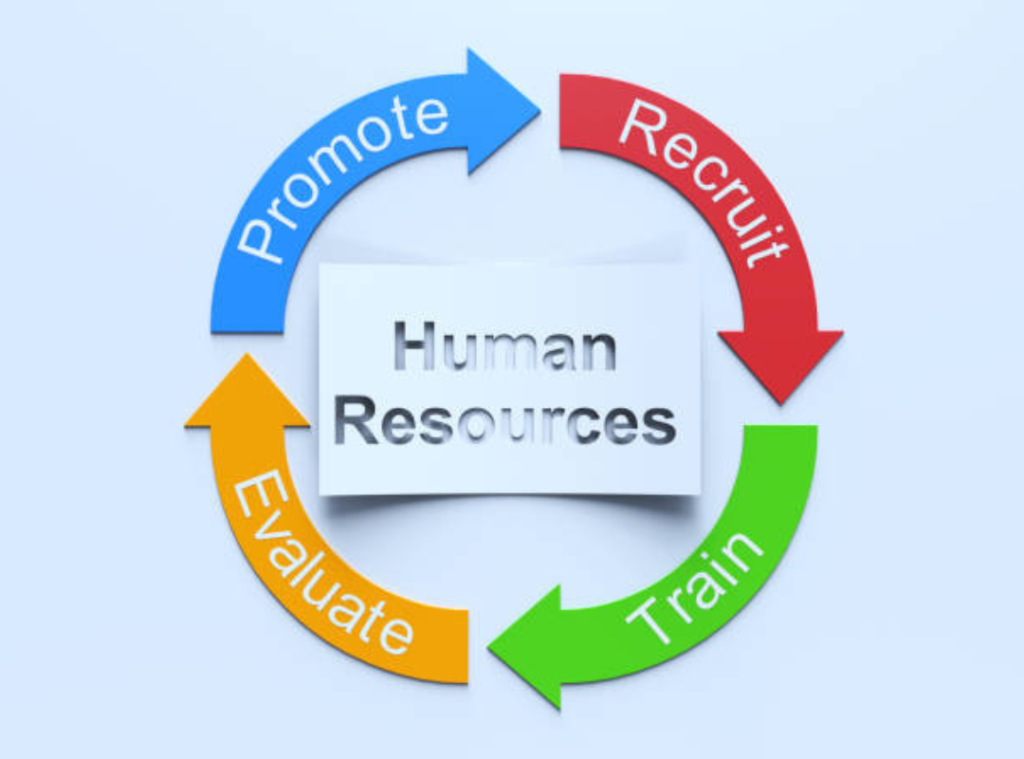
HR advisors help organizations design and implement an integrated human resources solution that connects all aspects of workforce management. This includes aligning policies, technology, and communication strategies to create a seamless employee experience. Instead of relying on ad hoc decisions, businesses benefit from standardized frameworks that promote fairness, clarity, and accountability. Over time, this holistic approach enhances employee trust and supports organizational resilience.
Enhancing Talent Acquisition and Retention
Attracting and retaining top talent remains a top concern for employers across industries. Competitive labor markets, evolving candidate expectations, and remote work trends have transformed how companies recruit and engage employees. Without a clear strategy, organizations risk losing high performers to competitors.
Through expert HR advisory, companies gain insights into employer branding, competitive compensation, and effective recruitment channels. Advisors also analyze turnover patterns and employee feedback to identify retention challenges. By addressing issues such as career development, performance recognition, and workplace culture, businesses can improve employee satisfaction and loyalty. In the long run, a strong talent strategy reduces hiring costs and builds a more engaged workforce.
Supporting Background Screening and Workforce Trust
Trust and safety are essential components of a productive workplace. Employers must ensure that their hiring practices protect both the organization and its employees while complying with legal standards. Background screening plays a key role in this process, particularly in regulated industries or roles involving sensitive information.
HR advisors often guide organizations on best practices for screening, including compliance with regional requirements such as Florida background checks when applicable. This guidance helps companies balance due diligence with fairness and privacy considerations. By integrating background screening into broader hiring policies, businesses can build a trustworthy workforce without exposing themselves to legal risks or inconsistent practices.
Improving Organizational Culture and Employee Experience
A positive organizational culture directly influences employee engagement, collaboration, and performance. However, culture cannot be built through slogans or policies alone—it requires consistent leadership behavior, clear values, and supportive HR practices. Many organizations struggle to diagnose cultural issues until they manifest as low morale or high turnover.
With expert HR advisory, companies receive objective assessments of their workplace culture and employee experience. Advisors conduct surveys, interviews, and data analysis to identify gaps between leadership intentions and employee perceptions. Based on these insights, they recommend targeted interventions such as leadership training, communication strategies, and engagement programs. Over time, these efforts create a healthier work environment that supports both employee well-being and business outcomes.
Change Management and Organizational Resilience
Change is inevitable in business, whether driven by technology, market conditions, mergers, or internal restructuring. Poorly managed change can lead to confusion, resistance, and productivity losses. Employees often feel uncertain during transitions, making clear communication and support critical.
An expert HR advisory approach helps organizations manage change more effectively by focusing on the human side of transformation. Advisors assist with change communication plans, leadership alignment, and employee support initiatives. They also help leaders anticipate resistance and address concerns proactively. By guiding organizations through change with empathy and structure, HR advisors strengthen resilience and ensure smoother transitions.
Leveraging Data and Analytics for Better Decisions
Data-driven decision-making is becoming increasingly important in HR. Metrics related to turnover, engagement, performance, and workforce diversity provide valuable insights into organizational health. However, many companies lack the expertise to interpret this data effectively or translate it into action.
HR advisors help organizations leverage workforce analytics to inform strategic decisions. Through expert HR advisory, businesses can identify trends, forecast workforce needs, and measure the impact of HR initiatives. This analytical approach moves HR beyond intuition and anecdotal evidence, enabling leaders to make informed decisions that support long-term success.
Conclusion: A Strategic Investment in People and Performance
In an era where talent and culture are key competitive differentiators, companies can no longer afford to treat HR as a purely administrative function. The challenges of compliance, talent management, and organizational change require specialized expertise and strategic insight. By engaging expert HR advisory services, businesses gain a trusted partner that helps align people strategies with organizational goals.
From building integrated HR systems to managing risk, enhancing culture, and supporting growth, HR advisors deliver measurable value across the organization. Ultimately, investing in professional HR guidance is not just about avoiding problems—it is about unlocking the full potential of the workforce and creating a sustainable foundation for long-term success.