
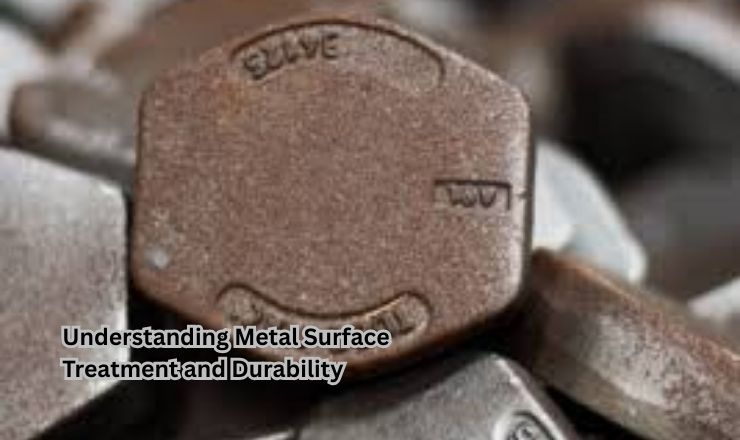
Surface treatment represents a critical step in manufacturing workflows where metal components must withstand operational stress, corrosion exposure, and fatigue cycling. Engineers and procurement professionals recognize that raw metal surfaces contain mill scale, oxidation, and microscopic defects that compromise long-term durability. Effective surface enhancement extends component life, improves fatigue resistance, and reduces maintenance intervals. Two primary methods address these surface challenges: mechanical treatments that modify surface properties and preparation techniques that remove contaminants prior to final finishing operations.
Mechanical Surface Enhancement Through Peening
Shot peening services involve projecting spherical particles at controlled velocities against metal surfaces to create residual compressive stress patterns. This mechanical process transforms surface characteristics without altering base metal composition. The compression layer extends several millimeters into the material, significantly improving resistance to fatigue crack initiation. Engineers specify shot peening services for components experiencing cyclic loading, including springs, fasteners, gears, and suspension components in automotive and industrial equipment.
The process requires precision control over particle size, velocity, impact angles, and coverage intensity. Operators measure peening intensity using standard test strips, ensuring consistency across production runs. Material selection matters critically—ferrous alloys, titanium, and certain stainless grades respond well to peening, while softer materials may experience undesired deformation. Quality control documentation must verify coverage uniformity, as inadequate treatment leaves vulnerable surface regions.
Surface Preparation Through Abrasive Removal
Sandblasting services employ pressurized abrasive streams to remove mill scale, rust, corrosion products, and surface contamination from metal components. Unlike peening, this process removes material rather than inducing compression. Sandblasting services create surface profiles suitable for coating adhesion, whether for paint systems, powder coatings, or thermal spray applications. Fabricators rely on blasting to prepare structural steel, castings, forgings, and welded assemblies before finishing operations.
Abrasive selection influences surface finish quality and environmental impact. Steel grit, aluminum oxide, and garnet provide different cutting characteristics and reusability profiles. Operators adjust blast pressure, nozzle distance, and dwell time to achieve specified surface roughness standards. Excessive blasting can thin components or create uneven surfaces, while insufficient blasting leaves residual oxide that compromises coating performance. Documentation of surface cleanliness standards, typically referencing SSPC or ISO specifications, becomes essential for downstream processing.
Application Considerations and Material Compatibility
Metal composition dictates appropriate treatment selection. Mild steels tolerate aggressive blasting and respond well to peening compression. Stainless steels require careful abrasive selection to avoid embedded particles that initiate crevice corrosion. Aluminum components need gentler treatment parameters to prevent surface smearing or dimensional changes. Manufacturers must evaluate total lifecycle costs, including material removal, secondary finishing requirements, and coating system compatibility.
OEM specifications frequently mandate combined approaches—initial blasting for contamination removal followed by peening for fatigue enhancement. Quality assurance protocols should verify surface conditions at intermediate steps, confirming that each process stage meets established criteria before proceeding to final coating or assembly.
Conclusion
Effective metal finishing combines process understanding with rigorous quality control. Whether selecting shot peening services for fatigue-critical applications or sandblasting services for comprehensive contamination removal, engineers improve component reliability through systematic surface treatment. Investment in proper preparation and enhancement directly reduces field failures and extends service intervals for manufactured equipment.