

If you’ve been struggling quietly with the appearance of enlarged male breasts, you’re not alone—and you deserve a solution that truly works. Many men find that no amount of gym time or dieting seems to shift that stubborn chest fullness. This is often due to a condition called Gynesomastia Male Breast Reduction (جراحة التثدي في الرياض), a surgical pathway that can help restore a flatter, more masculine chest contour. When traditional weight-loss methods don’t address the root issue, turning to a procedure designed specifically for this concern may provide the change you’ve been looking for. Understanding how Gynesomastia Male Breast Reduction works, what causes the condition, and what to expect before, during, and after surgery is vital for making an informed decision. With the right information, you can feel empowered to move forward with confidence.
Table of Content:
- What is the condition commonly called “man-boobs”?
- What causes the chest fullness in men?
- How does Gynesomastia Male Breast Reduction work?
- Who is a suitable candidate?
- Types and techniques of the surgery.
- Pre-surgical considerations and preparation.
- The day of surgery: what happens?
- Recovery timeline and tips for healing.
- Risks and how to minimise them.
- Results you can expect and how to maintain them.
- Frequently Asked Questions.
- Final thoughts & next steps.
What is the condition commonly called “man-boobs”?
When a man notices an enlargement of chest tissue or persistent fullness in the breast region, it might be due to a condition known medically as gynecomastia. In essence, gynecomastia refers to the development of excess glandular breast tissue in men. According to the American Society of Plastic Surgeons (ASPS), this condition can affect males of any age and often results from hormonal changes, genetics, obesity or certain medications.
While many people might use the term “puffy chest” or “man-boobs,” understanding the true nature—whether it’s excess fat (pseudogynecomastia) or true glandular enlargement—is key to determining the right treatment.
The presence of breast tissue in men is more common than many think, and for those who feel discomfort, embarrassment or a hit to self-confidence, seeking a tailored approach like Gynesomastia Male Breast Reduction can be life-changing.
What causes the chest fullness in men?
Hormonal imbalances
One of the primary drivers is the ratio between estrogen (the “female” hormone) and testosterone (the “male” hormone). When this balance shifts, breast gland tissue may develop. Wikipedia+1
Genetics and heredity
Some individuals are genetically predisposed to store more glandular breast tissue or have less elastic skin, making the chest area more prone to fullness and sagging.
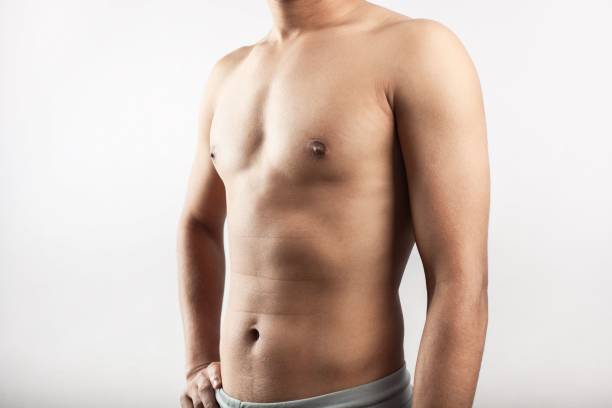
Fat accumulation and obesity
While excess chest fat alone (pseudogynecomastia) isn’t true gynecomastia, it can exacerbate the appearance of enlarged breasts. Sometimes the two conditions occur together, making the visual effect more pronounced.
Lifestyle factors and medications
Certain drug uses (such as anabolic steroids, some blood pressure medications, alcohol, marijuana) and health issues (like liver disease, thyroid problems) are linked with gynecomastia.
Puberty or aging
Young men going through puberty often experience transient gynecomastia due to hormonal surges. In many cases it resolves itself, but when it persists into adulthood, surgical correction becomes an option.
Knowing the cause is important—before committing to the procedure, it’s wise to rule out reversible causes (for example, medication usage or underlying hormone imbalance) so that the surgery has the best chance of lasting success.
How does Gynesomastia Male Breast Reduction work?
Simply put, the procedure aims to remove the excess tissue—whether fatty, glandular, or both—and contour the chest to a flatter and more masculine profile. According to ASPS, breast reduction for men is technically called reduction mammaplasty.
Two major components:
- Removal of glandular tissue – For true gynecomastia, the solid breast gland tissue must be excised. Liposuction alone cannot remove glandular tissue.
- Liposuction / fat removal / skin contouring – If there is excess fat or loose skin, liposuction and sometimes skin excision are part of the plan.
Surgical technique selection
The choice of technique depends on the grade of gynecomastia (mild vs moderate vs severe), how much excess skin there is, and the condition of the patient’s skin elasticity. For mild cases, small incisions around the areola may suffice; for severe cases with sagging skin and heavy tissue, more extensive surgery may be needed.
The goals
- Flatten the chest and restore masculine contour
- Improve symmetry in nipple-areola size and placement
- Reduce or eliminate discomfort (physical or psychological) associated with enlarged male breasts
- Provide long-term stable results provided weight and lifestyle are maintained
By understanding how the procedure works, you can go into the process with realistic expectations and be well-prepared for the journey ahead.
Who is a suitable candidate?
Not every man with chest fullness is automatically a candidate for surgery—there are certain criteria to help ensure a safe and successful outcome. Based on expert guidance:
- You are in generally good health, without life-threatening conditions or uncontrolled disease.
- Your breast development has stabilized (particularly for those who underwent puberty gynecomastia).
- You have realistic expectations and are undergoing surgery for yourself, not due to external pressure.
- You are at or near a stable weight, because significant weight fluctuations post-surgery may affect the result.
- You are willing to avoid certain risk factors (e.g., smoking, certain medications) that might impair healing or increase complications.
- You are experiencing discomfort (physical or psychological), are bothered by the appearance, and have often tried non-surgical means such as diet or exercise without sufficient result.
If you meet most of these criteria and are motivated for change, then the next step is consulting with a qualified surgeon to evaluate your specific case.
Types and techniques of the surgery
Grade classification
Different grades of gynecomastia reflect severity—from small breast enlargement without excess skin, to large breasts with sagging and stretched skin. Understanding the grade helps the surgeon plan the appropriate surgery.
Common surgical techniques
- Liposuction only: Useful when the issue is primarily fatty tissue with good skin elasticity and minimal glandular enlargement.
- Excision of glandular tissue with liposuction: The most common method when glandular tissue is present. This combination ensures full correction.
- Skin excision / lift procedures: For more severe cases with sagging or excess skin, incisions may be longer, and a second-stage procedure may be needed.
Incision placement and scar considerations
Typically, incisions are discreetly placed around the lower half of the areola or in the breast fold, helping to minimize visible scarring.
The surgeon will review which technique is best suited for your anatomy, skin quality, and goals, and will show you before-and-after photos of similar cases so you can have a realistic expectation of outcomes.
Pre-surgical considerations and preparation
Medical evaluation
A full medical history, current medications, physical exam, and sometimes blood tests or hormone evaluations will be performed. The surgeon needs to ensure no underlying reversible condition is causing the chest enlargement.
Lifestyle changes
- Quit smoking at least a few weeks before surgery to improve healing and reduce risk of complications.
- Avoid medications that increase risk of bleeding (e.g., certain supplements, anti-inflammatories) as per surgeon’s directions.
- Wear comfortable, loose-fitting clothes the day of surgery to support recovery.
Realistic expectations & mental preparation
Surgery is not a quick “fix your body overnight” magic bullet without effort: you’ll need to collaborate with your medical team, follow instructions, and commit to post-surgical care.
Pre-operative instructions
- Fasting rules, arrival time, transport arrangements for post-surgery (you’ll need someone to drive you home).
- Discussion of compression garments and how long you’ll need to wear them post-surgery.
By preparing comprehensively ahead of time, you’re giving yourself the best chance for a smooth surgery day and a good recovery.
The day of surgery: what happens?
Anesthesia
Depending on the technique and surgeon’s preference, either general anesthesia or local anesthesia with sedation may be used. Many surgeons prefer general anesthesia for full control during surgery.
Surgical steps (in summary)
- Incisions are placed.
- Glandular breast tissue is removed.
- Liposuction is used to contour excess fat and smooth the chest wall.
- If required, excess skin is excised.
- The surgeon ensures symmetry, proper nipple-areola placement, and chest contour.
- Incisions are closed and a compression garment is applied.
Post-surgery care in immediate period
- Dressings or drains may be placed to prevent fluid build-up.
- The compression garment helps reduce swelling and supports the contour.
- You will be recovered in an observation area and likely discharged same-day if appropriate.
Knowing what to expect on surgery day helps reduce anxiety and let you focus on recovery.
Recovery timeline and tips for healing
First few days
Expect moderate swelling, bruising, and some discomfort. Pain medication and compressive garments will be used to ease symptoms. Most patients can return home and begin light activity within 1–2 days.
First week
- Continue wearing your compression garment as directed.
- Avoid heavy lifting or strenuous activity.
- Follow wound-care instructions from your surgeon.
Weeks 2-4
- Swelling begins to subside, you’ll see contours more clearly.
- Light exercise may be resumed after about 2 weeks (depending on your surgeon’s advice).
Weeks 4-6 and beyond
- Most men resume normal exercise (including gym) around 4-6 weeks, though this depends on individual healing.
- Full results typically visible around 3 months once all swelling has resolved.
Long-term healing
- Scars continue to fade over months. With proper care, they often become subtle and well-concealed.
- Maintaining stable weight and avoiding steroid or hormone misuse helps ensure long-term success.
Tips to optimise healing
- Follow all post-operative instructions carefully.
- Wear the compression garment as recommended.
- Stay well-hydrated, eat a nutritious diet, and avoid smoking.
- Avoid sudden weight gain, which can compromise results.
- Keep communication open with your surgeon if any concerns arise (like asymmetry, persistent swelling, pain).
Successful recovery is as much about what you do afterward as the surgery itself.
Risks and how to minimise them
Any surgical intervention carries risks. For Gynesomastia Male Breast Reduction, key risk factors and mitigation strategies include:
Potential risks
- Bleeding or hematoma (collection of blood)
- Infection at incision sites
- Asymmetry in chest shape or nipple position
- Persistent numbness or sensory changes in the nipple-areola complex
- Scarring (though deliberately placed to minimise visual impact)
- Skin irregularities or need for revision surgery
How to minimise risks
- Choose a board-certified plastic surgeon with specific experience in male breast reduction.
- Disclose full medical history and any medications or lifestyle habits that affect healing (smoking, alcohol, drugs).
- Follow pre-surgical and post-surgical instructions precisely (including activity restrictions, garment wear, follow-up visits).
- Maintain stable weight and avoid behaviours that contributed to the original enlargement (such as anabolic steroid use).
Being aware of the risks enables you to prepare mentally and physically, so you can spot issues early and communicate with your care team as needed.
Results you can expect and how to maintain them
What you’ll see
- A flatter, firmer chest with improved contour and definition.
- Better symmetry between both sides of the chest.
- Improved positioning and appearance of the nipple-areola complex, if that was part of the plan.
- Higher confidence in your appearance, whether shirt-on or shirt-off. Patients often report a boost in self-esteem and willingness to wear fitted clothes or go bare-chested at the beach or gym. Joseph T. Cruise, M.D.
Longevity of results
Once the glandular tissue is removed and the fat/fold is sculpted, the changes are generally permanent—provided that you maintain a healthy weight, adopt consistent lifestyle habits, and avoid re-developing tissue via steroids or hormone use.
Tips to maintain your new look
- Keep weight stable: Avoid large fluctuations in body weight that might stretch or distort the chest.
- Regular exercise: Build chest, back and core muscles to maintain a toned silhouette.
- Balanced diet and avoid substances known to trigger gynecomastia (excess alcohol, certain medications, anabolic steroids).
- Sun protection and skin care: Especially for the chest area, to ensure skin elasticity and healthy appearance.
By actively participating in your long-term maintenance plan, you’ll ensure the investment in your body pays off in the years ahead.
(FAQ’s):
Can the condition come back after surgery?
In most cases, when glandular tissue has been removed and the patient maintains stable weight and avoids triggering behaviours, the result is long-term. However, if you gain significant weight or use anabolic steroids, new tissue or fat accumulation can occur.
At what age is surgery appropriate?
While surgery can be performed on younger men, the best timing is when breast growth has stabilised. For adolescents, the surgeon might recommend waiting until development is complete, unless the condition is severe and causing major distress.
Will there be visible scars?
Yes, but they’re typically placed in inconspicuous locations around the areola or chest fold to minimise visibility. With proper care, the scars fade over time.
How soon can I get back to working out, especially chest workouts?
Light activity can often resume at around 2 weeks (depending on your surgeon’s advice), but strenuous chest workouts and heavy lifting are typically deferred until 4-6 weeks post-operative.
Final thoughts & next steps
If you’ve read through this guide and feel ready to take action, remember: the decision for Gynesomastia Male Breast Reduction is deeply personal and about choosing a path that aligns with your self-image, comfort, and body goals. By educating yourself, preparing wisely, selecting a qualified surgeon and committing to your recovery, you set the stage for transformative results. Ready to take the next step? Book your personalised consultation at Royal Clinic Saudia—where experienced professionals will guide you through the process tailored specifically to your needs. Take control of your chest contour and confidence—reach out today.