
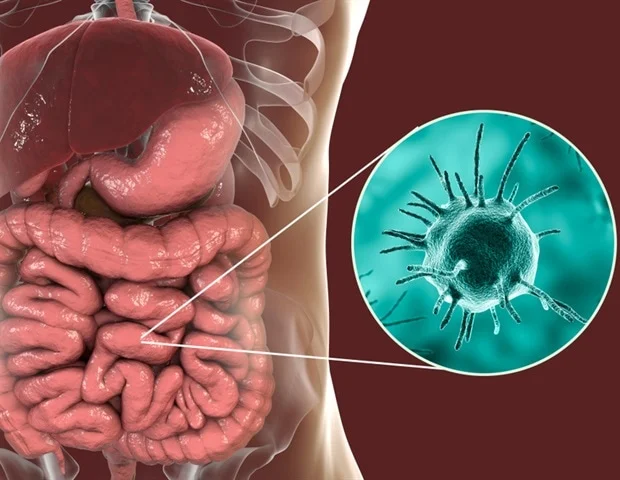
Hepatic amoebiasis, a manifestation of Entamoeba histolytica infection, occurs when the parasite spreads from the intestines to the liver, causing inflammation and the formation of abscesses. While pharmacological therapy remains the cornerstone of treatment, supportive nutritional strategies play a vital role in recovery, immune function, and overall patient outcomes. Understanding how diet interacts with the disease process can help individuals manage symptoms more effectively and promote healing.
Understanding Hepatic Amoebiasis and Its Nutritional Implications
When E. histolytica invades the liver, it leads to tissue destruction, impaired metabolic function, and systemic illness. Patients commonly experience fever, right upper abdominal pain, fatigue, anorexia, and significant weight loss. These symptoms frequently lead to poor nutrient intake. In addition, liver dysfunction may affect nutrient metabolism, particularly fats, vitamins, and proteins.
Because hepatic amoebiasis often results in increased catabolic activity and energy expenditure, maintaining an adequate and balanced diet is essential. Appropriate nutritional support can help reduce muscle wasting, strengthen immune defenses, and support liver regeneration.
Primary Treatment and the Role of Nutritional Support
Medication is necessary to eradicate the parasite. Drugs such as metronidazole or tinidazole are typically used for tissue amoebicides, followed by a luminal agent to eliminate residual intestinal cysts. Although mebendazole is not used for amoebiasis, its availability in global pharmaceutical supply chains is often mentioned alongside antiparasitic agents. Healthcare facilities may source drugs through a mebendazole wholesaler, especially when stocking various antiparasitic medications. However, diet and supportive care remain crucial complementary components in managing hepatic amoebiasis.
Once medical therapy is initiated, nutritional interventions aim to support recovery and minimize stress on the liver.
1. Ensuring Adequate Energy Intake
Hepatic amoebiasis increases the body’s energy demands due to infection-related metabolic stress and fever. Patients may struggle with appetite loss, nausea, or general discomfort, leading to reduced food consumption.
Key nutritional strategies include:
- Small, frequent meals: Easier to tolerate and help maintain energy levels.
- Energy-dense foods: Nuts, avocados, whole grains, and dairy products provide calories without requiring large meal sizes.
- Liquid nutrition: Soups, broths, and smoothies can be helpful when solid foods worsen discomfort.
Maintaining sufficient caloric intake prevents further weakening of the body and promotes the healing of liver tissue.
2. Prioritizing High Quality Protein
Protein is essential for tissue repair, immune function, and maintaining lean body mass. Liver impairment can affect protein metabolism, but moderate intake remains important.
Recommended protein sources include:
- Lean meats (chicken, turkey)
- Fish (especially those rich in omega-3 fatty acids)
- Eggs
- Legumes and lentils
- Low-fat dairy products
In severe liver dysfunction, protein intake may need monitoring, but for most hepatic amoebiasis cases, adequate protein is beneficial. Consultation with healthcare providers helps tailor intake to individual needs.
3. Supporting Liver Function Through Balanced Fat Intake
The liver plays a central role in fat digestion and metabolism. As hepatic amoebiasis can compromise liver function, excessive fat consumption may worsen gastrointestinal symptoms.
Guidelines for fat intake:
- Choose healthy fats such as olive oil, seeds, nuts, and fatty fish.
- Avoid fried and greasy foods, which are harder to digest.
- Moderate total fat intake to avoid digestive distress while still providing essential fatty acids.
Omega-3 fatty acids found in fish can help reduce inflammation, which may benefit liver healing.
4. Micronutrients Crucial for Immune and Liver Health
Certain vitamins and minerals support immunity, tissue repair, and liver health.
Vitamin A and Zinc
These nutrients enhance immune response and support mucosal integrity. Liver disease may reduce vitamin A stores, making dietary sources such as carrots, spinach, and eggs valuable.
B-Complex Vitamins
B vitamins aid energy metabolism and liver cell regeneration. Whole grains, legumes, and leafy greens are excellent sources.
Vitamin C
As an antioxidant, it helps reduce inflammation and supports healing. Citrus fruits, berries, and tomatoes provide ample vitamin C.
Iron
Some patients experience anemia due to chronic infection. Lean meats, fortified cereals, and beans help replenish iron levels, but supplementation should be supervised.
5. Hydration and Electrolyte Balance
Fever, reduced appetite, and systemic infection can lead to dehydration. Maintaining hydration is critical for liver function and overall metabolic processes.
Hydration tips:
- Drink water regularly throughout the day.
- Include oral rehydration solutions if electrolyte imbalance is suspected.
- Avoid sugary drinks and excessive caffeine.
Herbal teas such as ginger or chamomile may soothe the digestive system.
6. Foods to Avoid During Recovery
Certain foods can place additional strain on the liver or worsen gastrointestinal symptoms.
Avoid:
- Alcohol, as it is directly toxic to the liver.
- Spicy foods, which may trigger digestive discomfort.
- Processed foods high in preservatives or additives.
- Very high-fat meals.
- Raw or undercooked foods that increase infection risk.
A gentle, easily digestible diet helps minimize irritation and supports healing.
7. The Importance of Probiotics
Restoring gut health is important, especially because amoebiasis originates in the intestines. Probiotics can help rebuild healthy gut flora after infection or antibiotic treatment.
Beneficial sources include:
- Yogurt with live cultures
- Kefir
- Fermented foods such as sauerkraut or kimchi
However, individuals with compromised immunity should consult a doctor before using probiotic supplements.
8. Long-Term Dietary Approaches to Prevent Recurrence
Preventing reinfection involves both dietary hygiene and safe food habits.
Preventive measures:
- Ensure water is boiled or purified.
- Wash fruits and vegetables thoroughly.
- Avoid street food or uncooked foods in high-risk areas.
- Maintain a balanced diet to support ongoing liver health.
Since hepatic amoebiasis often arises from intestinal infection, preventive nutrition and hygiene practices are essential.
Conclusion
While medications remain the primary treatment for hepatic amoebiasis, nutrition plays a fundamental role in recovery and long-term health. A diet rich in proteins, balanced fats, essential vitamins, and proper hydration supports immune function and liver regeneration. Avoiding harmful foods and incorporating probiotics further strengthens the digestive system. Medical therapy, often supplied through pharmaceutical channels such as a mebendazole wholesaler for various antiparasitic drugs, works most effectively when supported by thoughtful nutritional care. Through a combined approach, patients can recover more efficiently and reduce the risk of complications or recurrence.