
Owning a car comes with its own set of responsibilities, and one of the most significant is keeping an eye on its essential components. Regular maintenance and timely repairs ensure the vehicle runs smoothly for years. However, some parts wear out faster than others, requiring replacement. Understanding the most commonly replaced auto parts and knowing how to spot issues early can save you time, money, and avoid sudden breakdowns.
1. Brakes
Brakes are essential for safety, and they are among the most commonly replaced parts of a vehicle. Over time, the brake pads wear down due to friction, causing reduced performance and longer stopping distances.
How to spot issues early:
- Squeaking or squealing noise: If you hear a high-pitched noise when applying brakes, it indicates the pads are worn down.
- Vibration: When applying brakes, if the steering wheel or brake pedal vibrates, this may suggest warped brake rotors.
- Reduced stopping power: A longer distance to come to a complete stop is a sign that the brakes need attention.
Routine brake checks and replacing pads before they wear too thin can prevent damage to other braking components, saving you from higher repair costs.
2. Batteries
Car batteries usually last between three to five years, but if your battery is not maintained well, it can fail prematurely. Extreme temperatures, leaving lights on, and age are common culprits for a battery’s reduced lifespan.
How to spot issues early:
- Slow engine crank: When starting the vehicle, if it takes longer than usual to start, the battery may be weakening.
- Warning light: If the battery warning light illuminates on your dashboard, it’s time to have your battery tested.
- Corrosion on terminals: If you notice white, powdery substance around the battery terminals, corrosion can prevent proper battery function.
Regular checks and keeping the battery terminals clean can ensure it continues to perform effectively.
3. Tires
Tires are the only contact your car has with the road, and they wear out over time. The rubber can degrade, leading to reduced traction, handling issues, or blowouts.
How to spot issues early:
- Uneven wear patterns: If the tires are worn unevenly, it could be a sign of poor alignment, suspension issues, or under-inflation.
- Cracks or bulges in the sidewalls: These can indicate structural damage or excessive wear.
- Low tread depth: You can measure the tread depth using a coin. If the tread is too low, your tires will not perform well, especially in wet conditions.
Maintaining correct tire pressure and rotating your tires regularly will help extend their lifespan.
4. Timing Belt
The timing belt is an integral part of your car’s engine. It controls the timing of the engine’s internal components and keeps everything running in sync. Over time, the belt stretches, wears down, and can eventually snap.
How to spot issues early:
- Engine misfires or runs roughly: A worn timing belt can cause the engine to misfire or not start properly.
- Unusual noises: A squealing or rattling sound from the engine could indicate a loose or worn timing belt.
- Warning light: Some cars have a dashboard light that turns on when the timing belt needs attention.
Replacing the timing belt according to the manufacturer’s schedule will prevent costly engine damage.
5. Air Filters
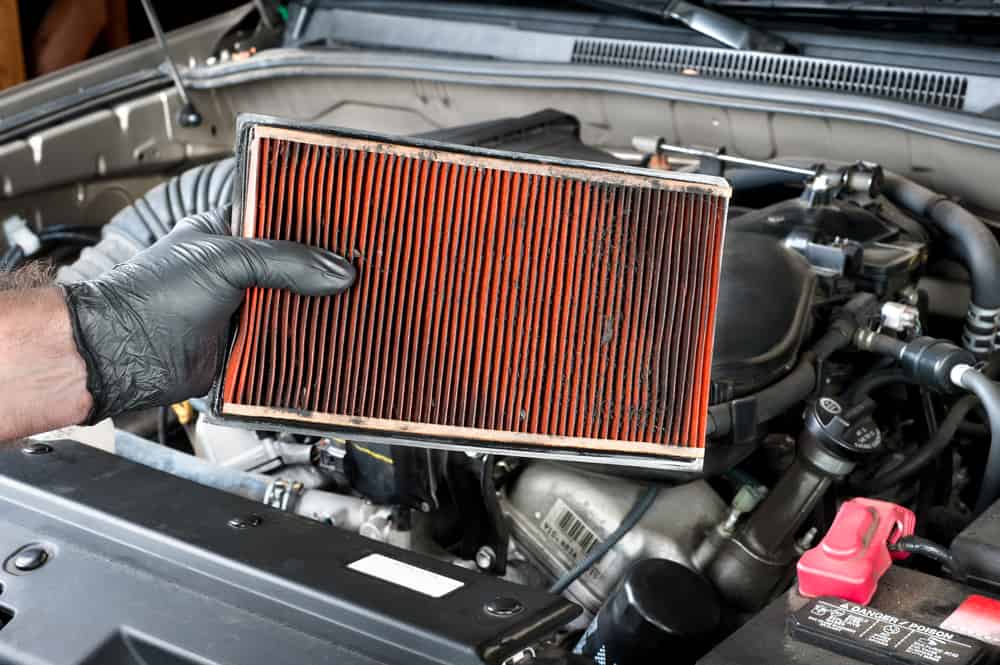
Air filters ensure that clean air reaches the engine, enabling it to run efficiently. Clogged or dirty filters can reduce engine performance, fuel efficiency, and may cause the engine to overheat.
How to spot issues early:
- Reduced engine performance: If your car is sluggish or struggles to accelerate, it may be due to a clogged air filter.
- Poor fuel efficiency: A dirty air filter can cause the engine to consume more fuel.
- Visible dirt and debris: If the filter appears clogged, it needs to be replaced.
Routine checks and replacing the air filter when needed can keep your engine running smoothly and efficiently.
Are you want engine parts?
Visit us: https://www.impelautoparts.com.au/engine/
6. Wiper Blades
Wiper blades ensure you have clear visibility during rain or snow. Over time, wiper blades wear out, leaving streaks and reducing their ability to clear your windshield.
How to spot issues early:
- Squeaking or skipping: If the wiper blades make noise or leave streaks on the windshield, it may indicate they are worn out.
- Cracked rubber: If the rubber on the blades has cracks, they will not work properly.
- Poor performance during heavy rain: If the wipers do not clear the windshield effectively during a downpour, it is time to replace them.
Changing wiper blades regularly, especially before the rainy season, helps ensure you have proper visibility in all weather conditions.
7. Suspension System
Your car’s suspension system, including shock absorbers and struts, is responsible for providing a smooth ride. Over time, the suspension components wear out, leading to discomfort and potential safety issues.
How to spot issues early:
- Bumpy ride: If your car feels unusually bouncy or the ride becomes rough, it could mean your shock absorbers or struts are worn.
- Leaking fluid: If you notice fluid around the shock absorbers, it’s a sign of a leak.
- Uneven tire wear: Worn suspension components can cause your tires to wear unevenly.
Maintaining the suspension system can improve driving comfort and prevent more significant repair costs.
8. Radiators
The radiator keeps the engine cool by circulating coolant. Over time, radiators can develop leaks or become clogged, leading to engine overheating.
How to spot issues early:
- Overheating engine: If your car’s temperature gauge frequently shows high temperatures, the radiator could be failing.
- Coolant leaks: Puddles of coolant under your car or visible leaks around the radiator are signs of trouble.
- Low coolant levels: Regularly check your coolant levels. If they drop too much, it may indicate a leak.
If you spot these signs early, you can have your radiator checked and avoid a potential engine failure. For car owners in Sydney, it is essential to trust specialists like Car Radiators Sydney to ensure proper radiator care and replacement. Having a professional handle radiator issues will keep your engine at an optimal temperature, extending the vehicle’s lifespan.
Conclusion
Car maintenance can seem overwhelming at times, but staying proactive and checking for early signs of wear and tear on the most commonly replaced auto parts will prevent more significant issues. Whether it is your brakes, tires, or battery, regular checks and timely replacements ensure your vehicle runs smoothly and reliably. Always seek professional help when necessary and remember that minor fixes can save you from costly repairs in the future.