
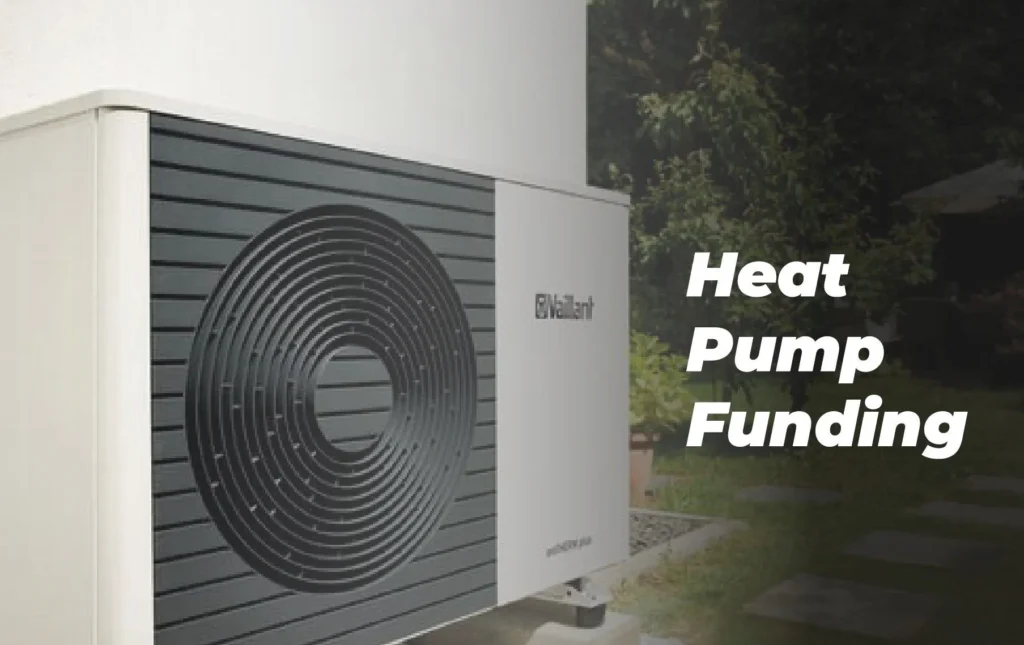
Replacing a traditional boiler with a heat pump is a significant change to the way a home is heated. Unlike a gas or oil boiler, a heat pump uses electricity to move heat from the air or ground into the property. The system can reduce reliance on fossil fuels, but it also requires careful planning before installation.
For homeowners in England and Wales, the Boiler Upgrade Scheme can help reduce the initial cost. In 2026, eligible homeowners can receive £7,500 towards an air-to-water heat pump. Certain off-gas-grid properties replacing eligible oil or LPG heating can receive £9,000 until 31 March 2027.
The grant is useful, but it should be considered alongside the suitability of the property, installation cost and expected heating requirements.
Can You Replace A Boiler With A Heat Pump?
Yes. Replacing an eligible existing boiler with a qualifying heat pump is one of the main purposes of the Boiler Upgrade Scheme.
Homeowners can potentially replace systems running on gas, oil or LPG with an eligible air-to-water heat pump, provided the property and installation meet the scheme rules.
The property owner must meet the eligibility conditions, and the installation must be carried out by an appropriately certified installer.
The scheme applies to properties in England and Wales. Social housing and most new-build properties are excluded, although certain self-build and completed new-build situations can qualify under specific conditions.
How Much Grant Support Is Available?
The amount depends on the type of low-carbon heating system and the property’s circumstances.
For an eligible air-to-water heat pump, the standard grant is £7,500. Ground source and water source heat pumps can also receive £7,500, while eligible residential air-to-air heat pumps qualify for £2,500.
There is additional support for certain homes that are not connected to the gas grid.
Since 21 July 2026, eligible off-gas-grid properties replacing oil or LPG heating can receive £9,000 towards an air-to-water or ground source heat pump. The increased grant is currently available until 31 March 2027.
The higher amount is not available simply because a property does not use gas. The home and existing heating system must satisfy the specific requirements for the uplift.
What Is The Boiler Upgrade Scheme?
The Boiler Upgrade Scheme, often abbreviated to BUS, is a government-backed grant programme designed to support the installation of qualifying low-carbon heating systems.
If you are researching boiler upgrade scheme UK support, it is important to understand that the scheme does not normally pay homeowners directly.
Instead, an MCS-certified installer applies for the grant on the property owner’s behalf. Once approved, the grant is deducted from the installation price.
For example, if an eligible installation costs £14,000 and receives the standard £7,500 grant, the homeowner would pay £6,500.
The figures in this example are purely illustrative. Installation prices vary considerably depending on the property and work involved.
How Does A Heat Pump Differ From A Boiler?
A heat pump does not generate heat by burning fuel.
An air source heat pump takes heat from outdoor air and transfers it into the property’s heating system. It can continue operating when outdoor temperatures are low, although its performance changes with weather conditions.
A conventional boiler, by contrast, burns gas, oil or another fuel to heat water directly.
This difference affects how a home is heated. Heat pumps generally operate at lower flow temperatures than traditional boilers and are designed to provide steady heating rather than rapidly raising the temperature in the same way many boiler systems do.
Homeowners should therefore avoid assuming that a heat pump can simply replace a boiler on a like-for-like basis.
Does Your Home Need To Be Suitable For A Heat Pump?
The property does not need to be new to qualify.
Older homes can use heat pumps, but the system needs to be designed around the building’s actual heating demand.
The installer may assess:
- The size and layout of the property
- Heat loss
- Existing radiators
- Pipework
- Hot water requirements
- Electrical supply
- Available outdoor space
- Existing heating controls
This assessment helps determine the appropriate system capacity and whether changes are needed before installation.
A larger heat pump is not automatically better. The equipment should be selected according to the property’s calculated heating requirement.
Will Existing Radiators Work With A Heat Pump?
They may, but it depends on the system design.
Heat pumps typically deliver heat at lower temperatures than gas and oil boilers. Some existing radiators can provide enough heat under these conditions, while others may need to be replaced with larger or more suitable models.
The important point is that radiator suitability should be assessed rather than assumed.
If an installer recommends replacing several radiators, ask for the reason and make sure the cost is included in the quotation.
This can prevent an initially attractive installation price from increasing once work has started.
What Happens To Your Hot Water?
Switching from a combi boiler can require changes to the way domestic hot water is produced.
Many air-to-water heat pump systems use a hot water cylinder. A property without suitable cylinder space may therefore need additional plumbing and installation work.
The cylinder, controls and associated pipework should be discussed before the installation is agreed.
This is also important when comparing quotations. One installer may include a complete hot water solution while another may price the heat pump separately from other required components.
Do You Need Better Insulation?
There is no general rule that every homeowner must completely upgrade their insulation before installing a heat pump.
However, insulation and draught reduction can affect the amount of heat a property loses. Lower heat demand can make it easier to design a suitable heating system and maintain comfortable indoor temperatures.
An installer should identify significant issues rather than automatically recommending every possible energy-efficiency improvement.
If insulation work is suggested, ask whether it is essential for the heat pump design or simply a recommendation that could be completed separately.
Which Heat Pumps Qualify For The Grant?
The Boiler Upgrade Scheme does not cover every heat pump available on the market.
Eligible technologies include air-to-water, ground source and water source heat pumps, subject to the relevant scheme requirements. Air-to-air heat pumps can also qualify under specific residential conditions.
The heat pump must meet the required technical standards and be appropriately sized for the property.
It must also be capable of meeting the property’s full space-heating requirements. Hybrid systems that continue to use a fossil fuel boiler alongside the heat pump are not eligible for BUS funding.
Who Applies For The Grant?
The installer normally handles the application.
You should choose an MCS-certified installer that is able to participate in the Boiler Upgrade Scheme. After assessing your property and agreeing on the installation, the installer submits the application to Ofgem.
You will need to provide the required consent and complete any checks requested as part of the application process.
The approved grant is then deducted from the installation price. Ofgem requires installers to show the grant discount clearly at quotation and invoicing stages.
This makes it important to check the quotation carefully. The grant should not simply be described as potential future savings.
How Long Does The Installation Take?
The time required varies according to the property and the complexity of the work.
A straightforward installation may require relatively little modification, while a home needing radiator changes, a new cylinder, electrical work or significant pipework alterations can take longer.
There is also a grant deadline to consider. Current GOV.UK guidance states that the installer must install and commission the heat pump within 120 days of applying for the BUS grant.
Your installer should therefore explain the expected schedule before submitting the application.
What Does A Heat Pump Installation Cost After The Grant?
The final amount varies from one property to another.
The total quotation may include the heat pump, cylinder, controls, installation labour, pipework, radiators, electrical work and removal of the old heating system.
For example:
£15,000 installation cost − £7,500 grant = £7,500 homeowner contribution
For an eligible property receiving the £9,000 grant:
£15,000 installation cost − £9,000 grant = £6,000 homeowner contribution
These examples do not represent fixed market prices.
When comparing installers, concentrate on what each quotation includes. A lower price may exclude work that another installer has already included.
Is There An Air Source Heat Pump Government Grant?
Yes. The BUS provides an air source heat pump government grant for eligible installations.
For a qualifying air-to-water heat pump, the standard support is £7,500. Eligible off-gas-grid properties replacing oil or LPG heating can receive £9,000 under the higher grant category until 31 March 2027.
The grant does not mean every air source heat pump installation will cost the same after funding. Your remaining contribution depends on the complete installation.
It is also worth checking whether other support has already been received for the proposed heating system, as overlapping government funding can affect eligibility.
What Should You Ask Before Switching?
Before signing an installation contract, ask the installer to explain:
- Which BUS grant applies to your property
- The total installation price before the grant
- The amount you will pay afterwards
- The proposed heat pump capacity
- Whether existing radiators can remain
- Whether a hot water cylinder is required
- Any electrical or plumbing work needed
- What is included in the quotation
- How the BUS application will be handled
- The expected installation and commissioning date
These questions can give you a much clearer picture than comparing headline prices alone.
Is Switching From A Boiler To A Heat Pump Worth It?
For some homes, switching can make sense both environmentally and financially. The grant reduces the initial investment, while the heat pump provides an alternative to burning gas, oil or LPG for heating.
However, the decision should be based on the individual property.
Consider the installation cost after the grant, the condition of the existing heating system, electricity prices, expected heat demand, available space, and whether the household is comfortable with the operating characteristics of a heat pump.
A grant can improve the economics of an installation, but it should not be the only reason for making the switch.
Final Thoughts
Switching from a boiler to an air-to-water heat pump involves more than removing one appliance and installing another. The property’s heating demand, radiators, hot water system, pipework and electrical requirements all need to be considered.
The 2026 Boiler Upgrade Scheme can provide £7,500 for an eligible air-to-water heat pump, with support increasing to £9,000 for qualifying off-gas-grid properties replacing oil or LPG heating until 31 March 2027.
The best starting point is a detailed assessment from an MCS-certified installer. Once you know the proposed system, complete installation cost, and applicable grant, you can make a more informed decision about replacing your boiler with a heat pump.