
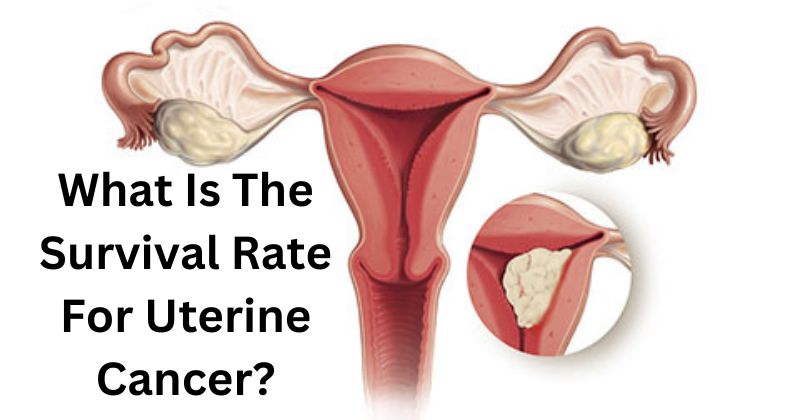
Uterine cancer, also known as endometrial cancer, is one of the most common types of cancer that affects women’s reproductive systems. It typically begins in the lining of the uterus, called the endometrium. While uterine cancer can be a frightening diagnosis, it’s important to understand the survival rates associated with different stages of the disease. This blog will delve into the survival rate for uterine cancer, focusing on the survival rate for stage 1 uterine cancer and .
Understanding Uterine Cancer
Uterine cancer is a type of cancer that forms in the endometrial lining of the uterus. This type of cancer is most commonly diagnosed in postmenopausal women, though it can occur at any age. The exact cause of uterine cancer is still not fully understood, but several risk factors can increase the likelihood of developing the disease, such as obesity, hormone imbalances, and family history.
Uterine Cancer Survival Rates: The Importance of Early Detection
Survival rates for uterine cancer vary depending on a variety of factors, including the stage of the cancer at the time of diagnosis, the grade of the cancer cells, and the overall health of the patient. The survival rate is a statistic that helps predict the percentage of people who are likely to survive a specific type of cancer for a set period of time, usually 5 years.
According to the American Cancer Society, the overall 5-year survival rate for uterine cancer is relatively high compared to many other cancers. The 5-year survival rate for uterine cancer is about 81%. However, it’s essential to note that survival rates can vary widely depending on the stage of cancer when it’s diagnosed. The earlier the cancer is detected, the higher the likelihood of successful treatment and long-term survival.
Stage 1 Uterine Cancer Survival Rate
Stage 1 uterine cancer is the earliest stage of the disease, meaning that the cancer is confined to the uterus and has not spread to nearby tissues or other parts of the body. Stage 1 is further divided into sub-stages:
- Stage 1A: The cancer is confined to the inner lining of the uterus (endometrium) and has not spread to the muscle layer.
- Stage 1B: The cancer has spread to the muscle layer of the uterus but is still confined to the uterus.
The survival rate for stage 1 uterine cancer is generally very high due to the fact that the cancer is localized and treatable at this stage. The 5-year survival rate for stage 1 uterine cancer is estimated to be about 95%. This means that most women diagnosed with stage 1 uterine cancer live for at least five years after their diagnosis. If treated early, many women can be cured of stage 1 uterine cancer with surgery to remove the uterus (hysterectomy).
Endometrial Uterine Cancer Survival Rate
Endometrial uterine cancer is the most common form of uterine cancer, originating from the endometrial lining of the uterus. Since the majority of uterine cancers are endometrial cancers, it’s important to note that the survival rate for endometrial uterine cancer closely aligns with the overall uterine cancer survival rates.
For early-stage endometrial uterine cancer, the survival rate is also quite favorable. As mentioned earlier, the 5-year survival rate for uterine cancer overall is 81%, and for endometrial cancer, this rate is comparable when caught early. In particular, if the cancer is diagnosed at stage 1, the 5-year survival rate remains around 90% to 95%.
However, the survival rate decreases as the cancer progresses. For example, in more advanced stages (such as stages 3 and 4), the survival rate drops significantly, especially if the cancer has spread to other parts of the body. It’s important to understand that the stage at which endometrial uterine cancer is diagnosed plays a critical role in determining prognosis and treatment options.
Factors That Influence Uterine Cancer Survival Rates
Several factors influence the survival rate for uterine cancer, including:
- Cancer Stage at Diagnosis: The earlier the cancer is found, the higher the survival rate. Stage 1 uterine cancer, for instance, has a much higher survival rate than cancer that has spread to distant organs.
- Cancer Grade: Uterine cancer can vary in how aggressive it is. A higher-grade cancer (i.e., one with abnormal-looking cells that grow quickly) tends to have a lower survival rate than a low-grade cancer, which grows more slowly.
- Age and Overall Health: Younger women and those in overall good health tend to have better outcomes, as they may be able to tolerate treatments like surgery, chemotherapy, or radiation more effectively.
- Treatment Options: The type of treatment used can also impact survival rates. Surgery is the most common treatment for early-stage uterine cancer, and many women can be cured by removing the uterus. Additional treatments, such as radiation, chemotherapy, or hormone therapy, may be used for more advanced cases.
- Response to Treatment: How the cancer responds to the treatment given also influences survival rates. Some women respond better to treatment than others, and this can lead to a more favorable prognosis.
Survival Rates by Stage: A Breakdown
To provide a clearer picture, here is a breakdown of survival rates based on the stage of uterine cancer:
- Stage 1 (Localized to the uterus): As mentioned, the 5-year survival rate is about 90-95%.
- Stage 2 (Cancer has spread to the cervix): The 5-year survival rate drops to around 70-80%.
- Stage 3 (Cancer has spread to nearby tissues or lymph nodes): The 5-year survival rate decreases to around 50-60%.
- Stage 4 (Cancer has spread to distant parts of the body): The 5-year survival rate is around 20-25%.
Conclusion
The is generally favorable, especially when detected early. For women diagnosed with stage 1 uterine cancer, the survival rate is highly encouraging, with a 5-year survival rate of about 95%. The key to improving survival rates is early detection and prompt treatment. Regular gynecological check-ups, attention to warning signs (such as abnormal bleeding), and a healthy lifestyle can all contribute to early diagnosis and better outcomes for women facing uterine cancer.
for more(click here)