
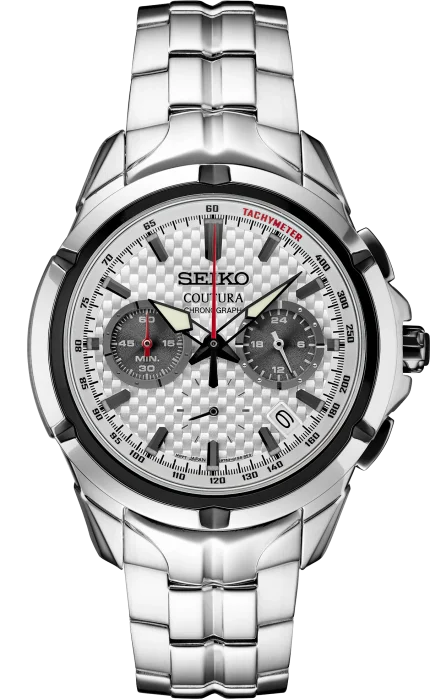
Seiko is one of the world’s most respected watch manufacturers, known for its relentless pursuit of precision, innovation, and craftsmanship. Founded in 1881 in Tokyo, Japan, by entrepreneur Kintaro Hattori, Seiko began as a small watch and jewelry shop. Over the decades, it evolved into a fully integrated watchmaking powerhouse, producing everything from mechanical movements to advanced electronic components in-house. Today, Seiko stands as a symbol of Japanese engineering excellence and remains a major force in the global watch industry.
Early Foundations and Growth
The story of Seiko began when Kintaro Hattori opened his shop in central Tokyo at just 21 years old. His vision was simple yet ambitious: to always stay “one step ahead of the rest.” In 1892, he established the Seikosha factory, which produced wall clocks. The name “Seiko,” meaning “exquisite” or “success” in Japanese, was first used on wristwatches in 1924.
Seiko steadily built a reputation for reliability and innovation. During the mid-20th century, the company focused on improving the precision and durability of mechanical watches. By the 1960s, Seiko was ready to compete internationally, entering Swiss observatory competitions and proving that Japanese watchmaking could rival traditional European craftsmanship.
The Quartz Revolution
One of Seiko’s most significant contributions to horology came in 1969 with the introduction of the Quartz Astron, the world’s first commercially available quartz wristwatch. This invention dramatically changed the watch industry. Quartz watches were far more accurate than mechanical ones and could be produced at lower costs. The resulting “Quartz Revolution” disrupted Swiss dominance and transformed the global market.
Seiko did not stop there. The brand continued to innovate with advancements in digital watches, dual-time displays, and chronograph technology. Seiko also developed solar-powered watches and kinetic movements, which convert wrist motion into electrical energy. These breakthroughs demonstrated the company’s ability to merge traditional craftsmanship with modern technology.
Mechanical Mastery and Spring Drive
Although Seiko played a key role in the rise of quartz watches, it never abandoned mechanical watchmaking. In fact, the company remains one of the few manufacturers capable of producing every component of a mechanical movement in-house. This vertical integration ensures exceptional quality control and technical precision.
One of Seiko’s most impressive achievements is the Spring Drive movement. This revolutionary system combines a traditional mainspring with an electronic regulator, delivering extraordinary accuracy while maintaining the smooth sweeping motion of a mechanical watch. Spring Drive represents Seiko’s philosophy of blending heritage with innovation, offering the best of both worlds. seiko-watche.com
Diverse Watch Collections
Seiko’s wide range of collections caters to various lifestyles and price points. The Seiko 5 series, for example, is known for its affordability and reliability, making it a popular entry point for mechanical watch enthusiasts. With automatic movements and durable construction, Seiko 5 watches provide excellent value.
The Prospex line is designed for professionals and adventurers. These watches include robust dive models that meet international water-resistance standards, as well as pilot and field watches built to withstand extreme environments. Seiko dive watches, in particular, have earned a loyal following among collectors.
For those who appreciate refined elegance, the Presage collection emphasizes traditional Japanese aesthetics and mechanical craftsmanship. Featuring enamel dials and intricate detailing, Presage watches reflect Seiko’s artistic side.
At the pinnacle of the brand’s offerings is Grand Seiko. Originally launched in 1960 and now operating as an independent luxury brand, Grand Seiko is celebrated for its meticulous finishing, high-performance movements, and minimalist design philosophy. Techniques such as Zaratsu polishing give Grand Seiko watches their distinctive mirror-like surfaces.
Design Philosophy and Japanese Influence
Seiko’s design philosophy is deeply influenced by Japanese culture, which values simplicity, balance, and harmony. Many models feature clean dial layouts, sharp case lines, and subtle textures inspired by nature. Grand Seiko, in particular, draws inspiration from the landscapes of Japan, incorporating elements such as snow, forests, and mountain vistas into dial designs.
This understated elegance sets Seiko apart from many luxury brands that emphasize bold or ornate styling. Instead, Seiko watches focus on clarity, legibility, and timeless appeal.
Global Presence and Cultural Impact
Seiko has served as the official timekeeper for numerous international sporting events, including the Olympic Games, showcasing its expertise in precision time measurement. The brand has also appeared in popular culture, worn by explorers, athletes, and even fictional characters in films.
Beyond its products, Seiko’s impact lies in its democratization of quality watchmaking. By offering reliable and innovative timepieces at various price levels, Seiko has made fine watchmaking accessible to a broader audience.
Conclusion
Seiko’s journey from a small Tokyo shop to a global watchmaking leader is a testament to its unwavering commitment to excellence. Through groundbreaking innovations like the Quartz Astron and Spring Drive, as well as its dedication to mechanical craftsmanship, Seiko has continuously shaped the future of horology. Combining tradition, technology, and artistic design, Seiko remains a brand that honors its heritage while boldly moving forward. Whether admired for its affordability, durability, or luxury craftsmanship, Seiko continues to define what modern watchmaking can achieve.