

In the challenging and ever-changing world of UK farming, where machinery endures long hours of heavy work across wet fields, dusty tracks, and through unpredictable weather patterns, maintaining fuel quality stands as a critical factor in sustaining operational efficiency and controlling expenses. Red diesel, or gas oil, continues to power the majority of off-road agricultural equipment in 2026, thanks to its retained rebated status for legitimate farming, horticulture, forestry, and fish farming activities under current UK regulations. This lower-duty fuel provides essential cost advantages compared to standard white diesel, yet its ultra-low sulphur formulation and occasional biodiesel content demand careful management to prevent issues like reduced lubricity, injector fouling, and storage degradation. Farm fuel additives serve as a proven, straightforward solution, enhancing red diesel’s performance to protect modern engines, improve combustion, and extend equipment service intervals. Progressive farmers increasingly pair these treatments with domestic fuel delivery services, which deliver bulk supplies of fresh red diesel directly to on-farm tanks, allowing seamless additive integration and consistent fuel quality without the hassle of off-site collections.
Current Status of Red Diesel in UK Agriculture

Red diesel retains its key role in British farming well into 2026, with agricultural users exempt from the broader rebated fuel restrictions implemented in 2022. Farmers can legally utilise this dyed gas oil in tractors, combines, telehandlers, and other machinery dedicated to core agricultural tasks, including planting, harvesting, livestock management, and land improvements. The rebate delivers meaningful savings on fuel costs at a time when input prices remain under pressure, helping to preserve margins amid volatile commodity markets and weather uncertainties. Modern red diesel blends often include a proportion of FAME (biodiesel), which boosts renewable credentials but heightens risks of water absorption, microbial growth, and cold-flow problems in cooler UK climates. Additives specifically formulated for agricultural gas oil counteract these vulnerabilities, restoring lubricity lost through sulphur reduction, preventing deposit formation, and ensuring reliable performance in high-pressure fuel systems common in today’s tractors from major manufacturers.
Primary Benefits for Farm Operations
The adoption of farm fuel additives generates clear, quantifiable returns that support day-to-day farming resilience. Restored lubricity protects fuel pumps and injectors from accelerated wear, significantly reducing the likelihood of breakdowns that can halt fieldwork during narrow seasonal windows. Cleaner injectors and combustion chambers from detergent action lead to more efficient burning, often yielding fuel savings of 3-7% depending on machinery age and usage patterns, which stretches each domestic fuel delivery further across more acres or hours. Enhanced cetane levels improve cold starting and reduce engine knock, particularly valuable during early spring or late autumn operations in northern and upland areas. Biocide components eliminate diesel bug in storage tanks exposed to condensation, avoiding filter blockages and costly call-outs. Overall, these improvements lower maintenance demands, cut emissions slightly, and prolong the lifespan of expensive equipment, delivering a strong return on the modest cost of treatment when applied routinely.
Types of Additives Suited to UK Farming Conditions

UK suppliers offer an array of farm fuel additives tailored to the specific demands of red diesel in agriculture. Multifunctional all-season blends remain the most popular, incorporating lubricity enhancers, detergents, cetane improvers, stabilisers, and corrosion inhibitors in one convenient package for straightforward application. Winter-specific products add anti-wax and cold-flow improvers to combat gelling risks during frosty spells across Scotland, northern England, and Wales. Biocide-focused treatments target farms with substantial bulk storage where moisture ingress proves persistent. Some advanced formulations address higher FAME content by improving water separation and stability, while others provide extra protection for modern engines calibrated to EN590 standards. Concentrated options allow efficient dosing for full tanker volumes, making them ideal for use during domestic oil delivery. These products, available from trusted agricultural fuel distributors and merchants, carry compatibility assurances for leading machinery brands and deliver reliable results in real-world UK conditions.
Enhancing Efficiency Through Domestic Fuel Delivery
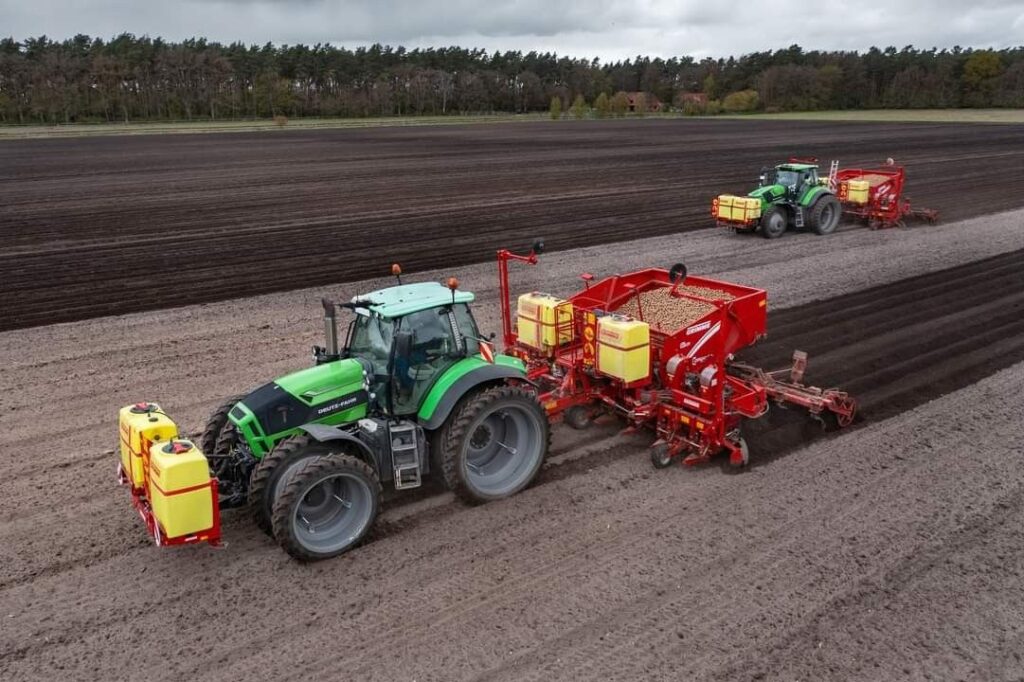
Domestic fuel delivery transforms fuel logistics for UK farms by bringing certified red diesel straight to on-site storage in bulk, on schedules that align with busy agricultural calendars and weather windows. Reputable suppliers offer flexible ordering, often with next-day or priority service, competitive pricing, and accurate invoicing to support rebate compliance. Many now provide pre-treated red diesel or bundle appropriate additive quantities with each drop, ensuring immediate enhancement upon arrival and uniform mixing in the tank. Regular deliveries maintain fresh stock levels, minimising degradation from prolonged storage and reducing contamination risks. Farmers receive professional advice on dosing, storage optimisation, and seasonal adjustments, creating an integrated system where fuel arrives protected and ready for use. This convenience saves valuable time and transport costs while reinforcing consistent machinery performance through the year.
Effective Implementation and Storage Guidelines

To maximise the advantages of farm fuel additives, follow practical guidelines adapted to UK farming realities. Dose precisely according to product instructions—typically a few millilitres per litre or per thousand litres—to achieve balanced protection without waste. Add the treatment during or immediately following domestic fuel delivery for thorough distribution throughout the tank. Position bulk tanks to minimise temperature fluctuations and condensation, using water-trapping breathers and keeping levels high to limit air exposure. Store additives in cool, dry conditions and agitate if needed before use. In regions with high rainfall or extended machinery downtime, consider periodic biocide top-ups or fuel sampling. Professional tank cleaning services can address any accumulated sediment. By maintaining disciplined routines and leveraging reliable domestic fuel delivery, farmers establish a proactive fuel management approach that safeguards investments and sustains productivity.
Farm fuel additives, thoughtfully combined with the reliability and ease of domestic fuel delivery, offer UK agriculture a practical edge in managing red diesel effectively. In an industry defined by tight margins, demanding conditions, and regulatory compliance, this strategy helps protect machinery, optimise costs, and keep operations moving forward season after season.