
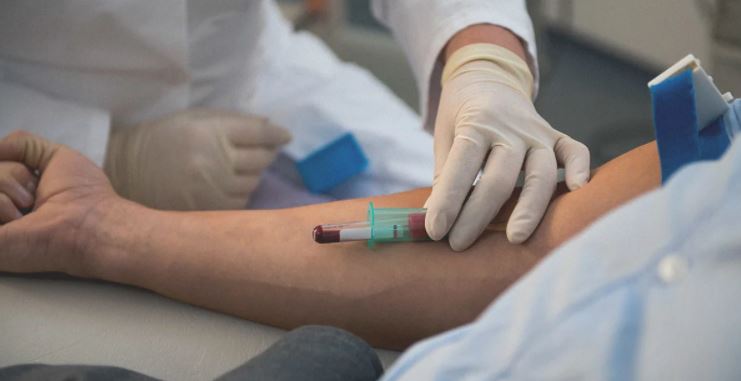
If you’re looking to enter the healthcare field quickly without spending years in school, becoming a phlebotomist is one of the fastest and most accessible options. Phlebotomists are trained professionals who draw blood for tests, transfusions, donations, or research. With growing demand in hospitals, clinics, diagnostic labs, and blood banks, this career offers a stable pathway into healthcare with relatively short training time.
This guide explains the quickest way to become a phlebotomist, including training options, certification, and tips to accelerate your journey.
Understanding the Role of a Phlebotomist
Before diving into the fastest path, it’s important to understand what phlebotomists do. Their main responsibility is drawing blood from patients safely and accurately. However, the job also involves:
- Verifying patient identity
- Explaining procedures to patients
- Labeling and handling samples
- Maintaining sterile equipment
- Ensuring patient comfort and safety
Strong communication skills, attention to detail, and a calm attitude are essential for success in this role.
Step 1: Meet Basic Requirements
The quickest route starts with meeting the minimum entry requirements. In most countries, including the UK, US, and many others, you typically need:
- A high school diploma or equivalent
- Basic English and math skills
- Good communication ability
- A willingness to work with patients
Some training providers may require background checks or health screenings, but these are usually simple to complete.
Step 2: Choose a Fast-Track Training Program
The fastest way to become a phlebotomist is to enroll in a short, intensive training course. These programs are specifically designed to teach you the essential skills in a condensed timeframe. Many learners prefer an accredited hands on phlebotomy course as it focuses on practical skills and allows them to become job-ready quickly.
Duration of Fast-Track Courses
- 2 to 4 weeks (intensive courses)
- 1 to 3 months (part-time or blended learning)
These courses focus on practical skills rather than lengthy theory, making them ideal if you want to start working quickly.
What You’ll Learn
A typical fast-track phlebotomy course includes:
- Anatomy of veins and circulatory system
- Blood collection techniques (venipuncture and capillary sampling)
- Infection control and safety procedures
- Handling and labeling specimens
- Patient care and communication
Many courses also include live practice sessions, which are crucial for building confidence and gaining real-world experience.
Step 3: Get Hands-On Experience Quickly
If your goal is speed, prioritize programs that include practical training. Employers prefer candidates who already have hands-on experience.
Why Practical Training Matters
- Builds confidence in drawing blood
- Reduces chances of errors
- Makes you job-ready immediately
- Increases employability
Some programs offer simulated practice, while others provide real clinical exposure. The latter is more valuable and can significantly speed up your transition into a job.
Step 4: Obtain Certification (If Required)
In some regions, certification is not mandatory but highly recommended. In others, it is required to work legally.
Benefits of Certification
- Enhances credibility
- Improves job prospects
- Demonstrates professional competence
- May lead to higher pay
The quickest way is to choose a training program that includes exam preparation or certification as part of the course. This eliminates the need for separate study time later.
Step 5: Apply for Entry-Level Jobs Immediately
Once you complete your training, don’t wait—start applying for jobs right away. Entry-level positions are widely available in:
- Hospitals
- Diagnostic laboratories
- Clinics
- Blood donation centers
Tips for Faster Job Placement
- Create a simple, clear CV highlighting your training
- Emphasize hands-on experience
- Apply to multiple places at once
- Be open to part-time or temporary roles initially
Many employers value practical skills over long experience, so newly trained phlebotomists can find work quickly.
Step 6: Consider On-the-Job Training (Alternative Fast Route)
Another quick way to become a phlebotomist is through on-the-job training. Some healthcare facilities hire trainees and teach them while they work.
Pros of This Route
- No upfront training cost
- Earn while you learn
- Immediate real-world experience
Cons
- Harder to find opportunities
- Training may take longer than structured courses
- Less formal certification initially
If speed is your top priority, a structured short course is usually the faster and more reliable option.
How Long Does It Really Take?
The total time to become a phlebotomist can be as short as:
- 2–6 weeks (fast-track training + immediate job application)
- 1–3 months (with certification and practice)
Compared to other healthcare careers that take years, this is one of the quickest paths available.
Skills That Help You Succeed Faster
To accelerate your success, focus on developing these key skills:
1. Communication Skills
You’ll interact with patients who may be anxious or fearful. Clear and calm communication makes the process smoother. If you want to more career focused article click here.
2. Attention to Detail
Accurate labeling and handling of samples are critical to avoid medical errors.
3. Manual Dexterity
Steady hands and precision are essential for drawing blood effectively.
4. Empathy and Patience
Patients may be nervous, so being understanding and patient helps build trust.
Common Mistakes to Avoid
If you want the fastest path, avoid these delays:
- Choosing overly long courses when shorter options exist
- Skipping practical training, which can make job hunting harder
- Waiting too long to apply for jobs after completing training
- Ignoring certification requirements in your region
Being strategic about these decisions can save you weeks or even months.
Cost vs Speed: What to Expect
Fast-track phlebotomy courses are usually affordable compared to other healthcare training programs.
- Basic courses: relatively low cost
- Courses with live practice: slightly higher but more valuable
- Certification included: saves time and additional fees
Investing in a quality, short course with hands-on training is often the fastest and most efficient route.
Career Growth After Becoming a Phlebotomist
Starting as a phlebotomist can open doors to other healthcare careers. With experience, you can move into:
- Laboratory technician roles
- Nursing
- Healthcare assistance
- Medical administration
Many people use phlebotomy as a stepping stone into broader medical careers.
Final Thoughts
The quickest way to become a phlebotomist is simple: enroll in a short, intensive training program with hands-on practice, complete certification if needed, and start applying for jobs immediately. In just a few weeks, you can go from beginner to working professional in the healthcare field.
This career is ideal if you want a fast, practical entry into medicine without spending years in school. By choosing the right training program and focusing on real-world skills, you can start earning and gaining experience in a very short time.
If speed is your priority, focus on practical learning, stay proactive in your job search, and take advantage of every opportunity to gain hands-on experience.