
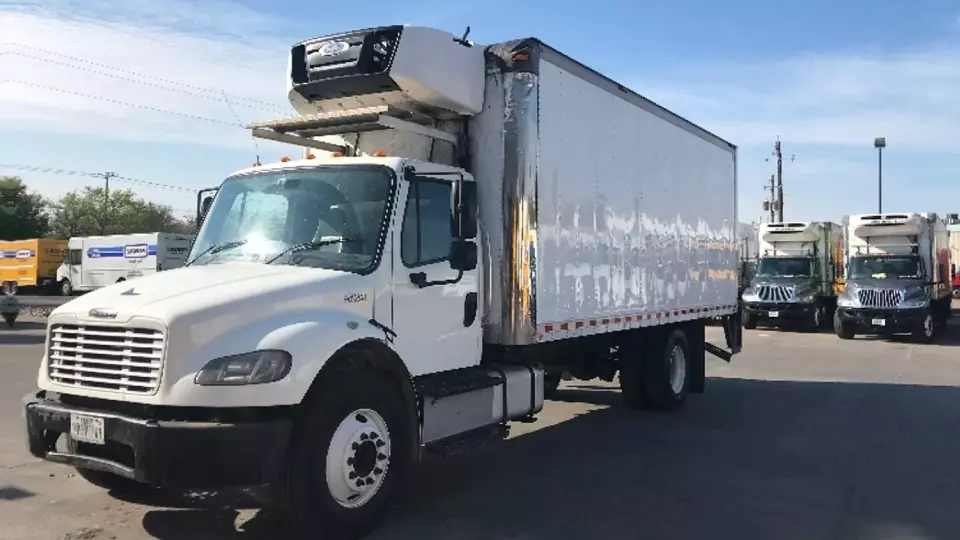
A power only truck refers to a tractor unit (without a trailer) hired by shippers or freight brokers to haul pre-loaded trailers. Power only trucking companies in the USA provide the truck, driver, and insurance, allowing businesses to move freight without owning or operating their own tractors. This setup offers flexibility, reduced overhead, and faster turnaround times for shippers and carriers alike.
Understanding Power Only Trucking
In simple terms, power only truck means renting the “power” — the truck and driver — to move your freight. The shipper provides the trailer, while the trucking company provides the truck and operator. This model has gained popularity across the United States because it reduces equipment costs and maximizes efficiency for both shippers and carriers.
Power only carriers are especially useful for companies that already own or lease trailers but lack enough tractors or drivers to move them. Instead of investing in a full fleet, they can hire a power only carrier to handle specific routes or overflow loads.
For instance, during seasonal demand spikes or temporary surges in freight volume, many logistics companies turn to power only transportation companies to keep operations running smoothly without long-term commitments.
How Power Only Trucking Works
The process is straightforward. A shipper or logistics provider contacts a power only trucking company with details about the trailer type, load weight, pickup, and delivery points. The trucking company then assigns a suitable tractor and driver to haul the trailer.
This approach offers multiple advantages:
- Flexible Operations: Businesses can scale up or down quickly based on demand.
- Lower Costs: There’s no need to invest in expensive tractors or long-term leases.
- Reduced Maintenance: The trucking company handles vehicle maintenance and compliance.
- Broader Coverage: Many power only carriers operate nationwide, ensuring consistent service across the USA.
Why Shippers Choose Power Only Carriers
Power only trucking is not just about convenience — it’s about strategic efficiency. Here’s why American shippers are increasingly relying on this model:
Flexibility in Freight Management
Companies with dedicated trailers or drop-and-hook operations benefit from quick transitions. Drivers simply drop off a loaded trailer and pick up an empty one, saving valuable time.
Cost Savings on Fleet Ownership
Owning and maintaining a full fleet is costly. Power only transportation companies remove that burden by providing the trucks and handling compliance requirements.
Ideal for Brokers and Third-Party Logistics (3PL)
Freight brokers often manage shipments for multiple clients. Partnering with reliable power only trucking companies ensures they can move loads efficiently without owning trucks themselves.
Seasonal and Overflow Capacity
During busy seasons — such as holidays or harvest time — businesses can easily add capacity with power only trucks.
Types of Power Only Trucks Used in the USA
Power only trucks come in various configurations depending on the freight type and trailer requirements. The most common categories include:
Standard Day Cabs
These are ideal for short-haul or local routes where overnight rest isn’t required.
Sleeper Cabs
Used for long-haul and interstate operations, sleeper cabs provide comfort for drivers on multi-day routes.
Heavy-Duty Power Units
For oversized or heavy loads, specialized trucks equipped with higher horsepower and torque are used.
Fleet-Leased Power Units
Some power only carriers maintain fleet-leased tractors dedicated to specific clients, ensuring consistent service levels and familiarity with their routes.
Each truck type is matched to the load’s specific needs — whether it’s a dry van, reefer, flatbed, or tanker trailer.
Power Only Trucking Companies in the USA
Several well-established companies specialize in power only transportation across the United States. These companies are known for reliability, safety compliance, and broad geographic coverage.
Some of the notable categories include:
- National Power Only Carriers: Companies that operate coast-to-coast, offering drop-and-hook services for major retailers and manufacturers.
- Regional Carriers: Focused on specific zones such as the Midwest, Southeast, or West Coast.
- Dedicated Fleet Providers: Carriers that provide long-term power only contracts to logistics firms or warehouse networks.
Examples of reputable power only trucking companies include names like J.B. Hunt, Schneider, Werner Enterprises, and smaller independent carriers that serve regional or specialized freight needs.
These providers offer options ranging from single-trip hauls to ongoing partnerships, giving shippers flexibility and peace of mind.
Benefits of Partnering with Power Only Transportation Companies
Reduced Capital Investment
Buying and maintaining trucks requires significant upfront and ongoing costs. Power only trucking eliminates this need entirely.
Access to Experienced Drivers
Carriers provide CDL-certified drivers trained in handling different trailer types, including dry vans, flatbeds, and refrigerated units.
Regulatory Compliance
Trucking companies handle Department of Transportation (DOT) compliance, insurance, and safety protocols, ensuring seamless operations.
Nationwide Availability
Many U.S. carriers offer power only services across all 48 contiguous states, making it easy to find capacity anywhere in the country.
24/7 Tracking and Support
Advanced GPS tracking and dispatch technology allow shippers to monitor loads in real-time.
How to Choose the Right Power Only Carrier
Selecting the right power only trucking company can make a major difference in your supply chain performance. Consider the following factors when making your decision:
Experience and Reputation
Look for carriers with proven experience in your industry or load type. Customer reviews and safety ratings are also key indicators of reliability.
Equipment Availability
Ensure the carrier’s tractors are compatible with your trailer specifications, such as kingpin height and coupling systems.
Coverage Area
If you operate nationwide, choose a carrier with routes covering all major U.S. freight corridors.
Technology Integration
Modern power only transportation companies use advanced logistics platforms for tracking, scheduling, and performance reporting.
Pricing and Transparency
Request detailed rate sheets and check for hidden fees related to fuel surcharges or accessorials. A transparent pricing model helps build long-term trust.
Power Only Trucking for Different Industries
Power only trucking supports a wide range of industries in the United States, including:
- Retail and E-Commerce: For quick replenishment and drop trailer programs at distribution centers.
- Construction and Heavy Equipment: Moving flatbeds and oversized trailers.
- Food and Beverage: Transporting refrigerated or temperature-controlled trailers.
- Manufacturing: Keeping production lines moving with just-in-time deliveries.
- Agriculture: Seasonal transport of produce, grain, or farming equipment.
This versatility is why power only carriers have become integral to modern supply chain logistics.
The Future of Power Only Transportation
The demand for flexible logistics solutions continues to grow. Power only transportation companies are adapting by investing in technology, sustainability, and network expansion.
Digital Freight Platforms:
Many carriers are now integrated with load boards and digital marketplaces, allowing shippers to instantly book power only capacity.
Sustainability Focus:
With stricter emissions regulations, fleets are shifting toward fuel-efficient or electric power units.
Data-Driven Operations:
Analytics and AI tools help carriers optimize routes, reduce idle time, and improve delivery accuracy.
Driver Retention Programs:
Top carriers are enhancing benefits and training programs to attract skilled drivers in a competitive labor market.
These trends indicate that power only trucks will remain a vital part of the U.S. freight ecosystem for years to come.
Common Questions About Power Only Trucking
What does “power only” mean in trucking?
It means the carrier provides only the truck and driver — not the trailer. The shipper supplies the trailer for transport.
Is power only trucking profitable for carriers?
Yes. It reduces downtime and allows carriers to stay active between dedicated contracts or seasonal freight.
Can small businesses use power only services?
Absolutely. Many small and mid-sized companies rely on power only carriers for flexible freight movement.
What kind of trailers can power only trucks haul?
They can haul dry vans, reefers, flatbeds, containers, tankers, and even specialized equipment trailers.
Do power only carriers provide insurance?
Yes, most reputable companies offer liability and cargo insurance as part of their service agreements.
Final Thoughts
Power only trucking has transformed how freight moves across the United States. By separating trailer ownership from truck operations, this model offers unmatched flexibility, efficiency, and cost control.
Whether you’re a shipper managing seasonal peaks or a logistics company expanding capacity, partnering with reputable power only trucking companies ensures your freight moves safely and on schedule.
With its growing importance in modern logistics, power only trucks are redefining transportation strategy — helping U.S. businesses stay agile, scalable, and competitive in an evolving marketplace.