
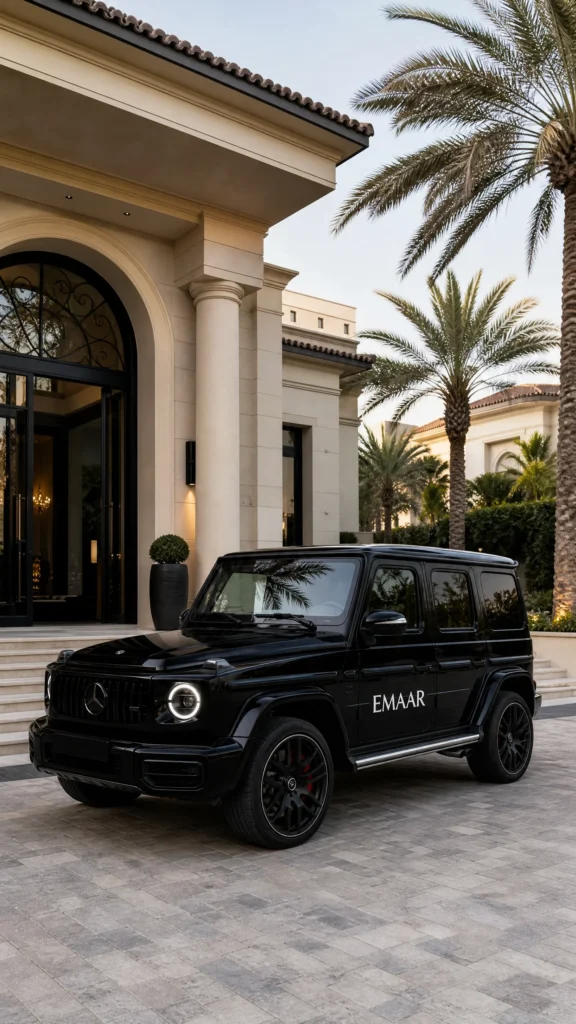
A business can have a strong website, active social media accounts, and carefully designed digital advertising, yet physical visibility still plays an important role in how people recognize a brand. One of the simplest examples is a company vehicle moving through everyday traffic.
Unlike a static advertisement, a branded vehicle travels between workplaces, residential areas, shopping districts, and commercial locations. It can be seen by different groups of people throughout the day, often without requiring a separate advertising space.
This is one reason vehicle branding remains relevant for businesses in Dubai and other busy cities. When planned properly, it can turn an ordinary vehicle into a consistent physical representation of a business.
Why Vehicle Visibility Still Matters
People encounter businesses in many different ways. Someone may see a company online, notice its sign outside a building, receive a recommendation from a friend, or simply come across its vehicle while driving.
That last interaction may seem brief, but repeated exposure can make a difference.
For example, a delivery van that follows a regular route may pass the same offices and residential communities several times each week. A service vehicle parked outside different customer locations can also create additional exposure. Even when viewers do not need the service immediately, seeing the same name and visual identity repeatedly can make the business easier to recognize later.
The important point is not simply getting attention. Recognition comes from consistency and repetition.
Moving Advertising Works Differently
A traditional outdoor advertisement generally remains in one location. A branded vehicle has the ability to reach multiple areas during normal business activity.
This does not mean every vehicle becomes an effective advertisement automatically. Poorly designed graphics, excessive text, weak contrast, or an unclear logo can make a vehicle difficult to understand at a glance.
The objective should therefore be visibility rather than simply covering the vehicle with information.
What Makes a Vehicle Easy to Notice?
Good vehicle graphics usually communicate a small amount of information clearly.
A driver or pedestrian may only have a few seconds to see a passing vehicle. Important information should therefore be easy to identify without requiring close inspection.
A practical layout might include:
- A recognizable logo
- A clear brand name
- One short description of the service
- A simple phone number or website
- A limited colour palette
- Graphics that support, rather than compete with, the message
The vehicle itself should also be considered during the design process. Door handles, windows, curves, mirrors, body lines, and panel gaps can affect how graphics appear.
Readability Is More Important Than Complexity
A common mistake is trying to communicate too much.
A company may offer ten different services, but placing all ten on the side of a small vehicle can make the entire design difficult to read. A shorter message can often be more useful.
For example, a cleaning business might use a simple service description and contact detail rather than listing every individual cleaning package.
The same principle applies to colours and fonts. Strong contrast and readable lettering generally matter more than decorative design elements when the vehicle is moving.
Full and Partial Branding Serve Different Purposes
Not every business needs the same amount of coverage.
A full vehicle wrap can create a strong visual transformation and provide considerable space for colours, graphics, and branding. This can make sense for businesses that want the vehicle itself to become a major part of their visual identity.
Partial branding takes a different approach. Graphics may be applied to selected doors, side panels, rear sections, or other visible areas. This can be useful when a business wants clear identification without covering the entire vehicle.
The choice depends on several factors, including the vehicle type, branding objectives, budget, and how much information needs to be displayed.
For a business comparing options in Dubai, looking at the vehicle from different viewing angles can help determine which approach is more practical.
Vehicle Type Should Influence the Design
A small hatchback, delivery van, pickup truck, and large commercial vehicle do not offer the same branding opportunities.
Vans often provide broad side panels that are useful for service information and contact details. Trucks may offer large surfaces that can be visible from a greater distance, particularly on highways and industrial routes. Smaller cars require more restraint because their available surface area is limited.
This is why copying the same graphic layout onto every type of vehicle may not produce the best result.
Fleet branding should maintain common elements such as colours, logos, typography, and messaging while allowing the design to adapt to each vehicle’s shape.
Dubai Adds Some Practical Considerations
Dubai’s roads expose vehicles to a wide range of conditions. High temperatures, strong sunlight, dust, frequent driving, and outdoor parking can all affect vehicle graphics over time.
That makes preparation and maintenance important parts of the process.
The vehicle surface should be clean and properly prepared before graphics are installed. Regular washing can also help keep the branding visible. Harsh cleaning methods or unsuitable chemicals may affect certain materials, so maintenance instructions should be followed carefully.
Businesses operating commercial fleets should also consider how frequently vehicles are used and where they are driven. A vehicle travelling throughout Dubai every day may experience different wear from one used occasionally for local journeys.
Branding Is Also Part of the Customer Experience
A branded vehicle does more than create visibility. It can also help customers identify a business when an employee arrives at their location.
Consider a customer waiting for a technician, delivery driver, or maintenance worker. A clearly marked vehicle can make it easier to recognize the correct service vehicle without relying entirely on a phone call or message.
This small practical benefit can make physical branding useful beyond advertising.
A vehicle can communicate who is arriving, what type of service is involved, and which business the person represents.
For businesses researching options, a local vehicle branding company in Dubai can be useful as a reference point when comparing different approaches, materials, coverage levels, and design requirements. The important consideration is whether the proposed solution fits the actual vehicle and operating conditions rather than simply choosing the most visually elaborate option.
Think About the Vehicle From the Road
One of the most useful ways to evaluate a design is to imagine seeing it in real traffic.
Would the business name be readable from several metres away? Is the main message visible when the vehicle is moving? Does the design still make sense when viewed from the rear or side? Are important details hidden behind handles, windows, or other vehicle features?
These questions can reveal problems that may not be obvious on a computer screen.
A simple design that remains recognizable from different angles can often be more effective than a complicated design that only works when viewed closely.
Conclusion
Vehicle visibility remains valuable because businesses already spend much of their working day on the road. A company vehicle can travel through multiple neighbourhoods, visit customers, support deliveries, and appear in places where a conventional advertisement may never be seen.
The most effective approach is not necessarily the largest or most colourful design. It is one that makes the business easy to recognize, keeps the message readable, suits the vehicle’s shape, and remains practical under everyday driving conditions.
For businesses in Dubai, treating the vehicle as a physical part of the brand rather than simply a means of transportation can create another consistent point of contact with potential customers. When visibility, design, maintenance, and practical use are considered together, a moving vehicle can become a useful part of a broader branding strategy.