
Over the past few years, the Labubu Blind Box phenomenon has taken the global collectible market by storm. From social media influencers to dedicated collectors, everyone seems captivated by these quirky little figures hidden inside sealed boxes. Each box promises mystery; you never know which character you’ll get until you open it.
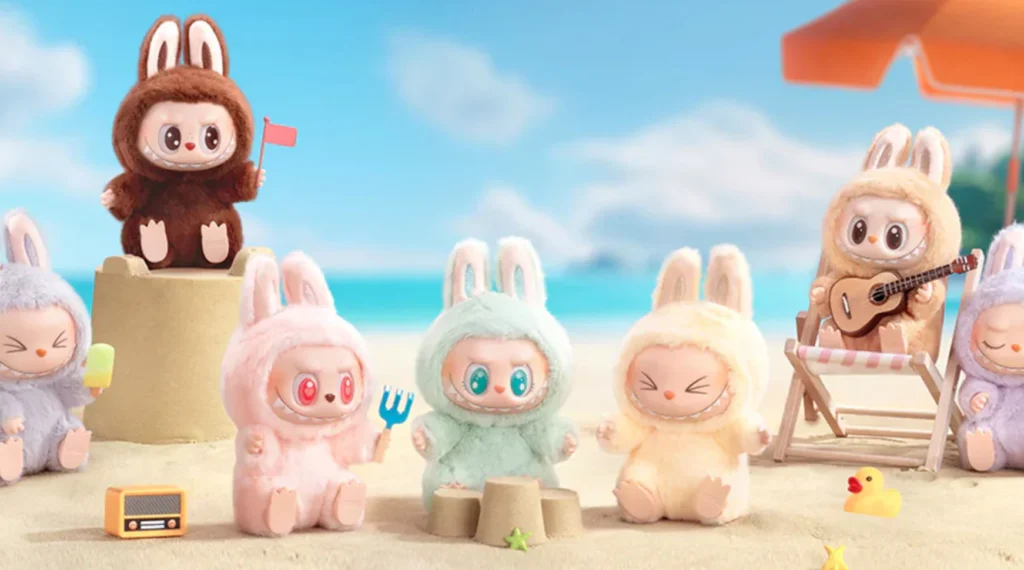
But as this blind box culture grows, so does the need for awareness about authenticity, packaging integrity, and consumer safety. For brands, it’s a packaging success story. For collectors, it’s an emotional and financial investment. And for investigators, it raises new questions about counterfeits, mislabelling, and safe distribution.
What Is the Labubu Blind Box?
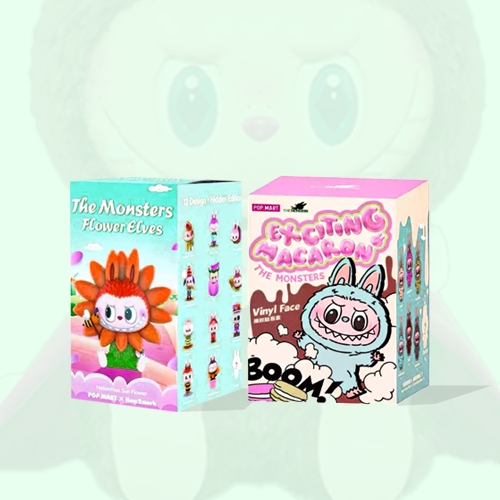
A Labubu Blind Box is part of a collectible toy line created by Hong Kong artist Kasing Lung and produced by the popular brand Pop Mart. Each sealed box contains one randomly selected figurine from a themed series. They have rare “secret” figures hidden among the regular ones.
The mystery element makes unboxing an exciting experience. It drives people to buy multiple boxes in hopes of finding rare pieces. This strategy has turned Labubu into one of the most sought-after collectible series worldwide.
However, this massive popularity has also led to counterfeit production, unauthorized reselling, and safety risks in international markets such as the UK and the US.
Why the Labubu Blind Box Has Become So Popular
Unboxing Experience
The thrill of mystery fuels the buying habit. People love the surprise factor and post their reactions online, creating free viral marketing.
Character Design
Labubu figures are quirky, emotional, and unique. Each series from Labubu Exciting Macaron to Labubu Have a Seat showcases artistic creativity.
Social Media Influence
YouTube and TikTok unboxing videos have amplified the hype. The more viewers see others opening boxes, the more they want to join the trend.
Limited Editions
Secret variants and special collaborations make each box a potential treasure, which increases resale value on collector markets.
This blend of art, surprise, and scarcity creates emotional engagement that traditional packaging rarely achieves.
The Packaging Perspective: Where the Real Magic Lies
The Labubu Blind Box is a masterclass in creative packaging design. Each box is carefully printed, sealed, and branded with striking artwork that reflects the collection’s theme. From a packaging point of view, it’s a perfect balance of form and function:
- Sealed Mystery: Ensures the product remains a surprise until unboxed.
- Vivid Printing: High-quality colors and finishes build brand identity.
- Durable Cardboard: Protects delicate figures during transport.
- Tamper-Proof Design: Prevents premature opening or swapping.
- Eco-Friendly Trends: Many brands are shifting toward recyclable or biodegradable materials.
For companies like MyBoxPrinting, which specialize in custom packaging and printing, the blind box concept demonstrates how innovative packaging drives both marketing and emotional value. It’s proof that packaging isn’t just about protection; it’s about storytelling and experience.
The Rise of Counterfeit Labubu Boxes
As demand increases, counterfeiters have entered the market, producing fake Labubu boxes that mimic the real packaging.
According to recent reports, authorities in the UK have warned consumers about imitation products sold under similar names, such as “Lafufu”. It poses safety risks due to the use of poor materials and a lack of compliance.
Fake blind boxes may contain low-quality or hazardous materials, particularly dangerous for children. They also damage the reputation of the original manufacturer and create confusion among consumers.
Signs of counterfeit packaging include:
- Blurry or faded printing
- Absence of official brand holograms
- Incorrect series numbering
- Suspiciously low pricing on resale sites
This situation highlights why packaging authenticity, holograms, tamper-evident seals, and traceable labeling are vital for protecting both consumers and brands.
Consumer Protection and Authenticity Verification
In the UK, product authenticity and safety fall under strict consumer protection laws. For imported collectibles like the Labubu Blind Box, retailers must ensure compliance with CE marking, safety labeling, and traceability.
Consumers should:
- Buy only from authorized Pop Mart retailers.
- Check the official packaging for logos, QR codes, or holograms.
- Avoid websites that sell boxes at unrealistically low prices.
- Report suspected counterfeit items to trading standards or local authorities.
The demand for transparent, traceable packaging has encouraged legitimate companies to invest in secure packaging solutions. They include serialization and anti-counterfeit technology.
How Businesses Can Learn From The Labubu Packaging Strategy
Even outside the toy industry, businesses can learn powerful lessons from the Labubu Blind Box strategy:
- Create Emotional Connection: Use your packaging to deliver excitement or surprise.
- Encourage Repeat Purchases: Mystery or collectible packaging can inspire customers to come back.
- Prioritize Authenticity: Integrate anti-counterfeit elements into product design.
- Go Sustainable: Combine creativity with eco-friendly materials to meet modern consumer expectations.
Companies like MyBoxPrinting help brands achieve this balance. They provide custom box packaging with creative design, material options, and brand-focused finishes. They strengthen shelf appeal and customer loyalty. Whether you’re launching collectibles, food products, or cosmetics, your packaging should speak for your brand.
Safety and Ethical Responsibility
Blind box culture has also raised questions about responsible marketing. Because of the “mystery purchase” model, buyers, especially children, may spend excessively trying to complete a set.
Brands should be transparent about product odds and responsible in marketing their collectibles. Ensuring product safety, transparent labeling, and responsible packaging are key to maintaining consumer trust.
Investigative websites like CQC Investigations play an important role in spreading awareness about these consumer and safety issues. People make informed buying decisions.
Frequently Asked Questions (FAQs)
Q1. What makes the Labubu Blind Box different from other collectibles?
The mix of mystery, design, and rarity sets it apart. Each box hides a surprise figure, creating a unique emotional experience for collectors.
Q2. How can I tell if my Labubu Blind Box is authentic?
Check the packaging details: clear printing, official logos, holographic seals, and the correct Pop Mart branding. Avoid suspiciously cheap deals online.
Q3. Why do counterfeit boxes pose safety risks?
Fake products are made from unverified materials and lack safety testing, potentially leading to choking hazards or toxic exposure for children.
Q4. What can brands learn from the Labubu trend?
Brands can learn how mystery, presentation, and storytelling in packaging can increase engagement, loyalty, and repeat sales.
Q5. How can custom packaging enhance my business?
Custom printed boxes from MyBoxPrinting give your brand a professional look, protect products, and help establish a unique market identity.
Conclusion
The Labubu Blind Box phenomenon is a fascinating mix of art, psychology, and packaging innovation. It demonstrates how something as simple as a box can capture global attention. It turns ordinary packaging into an interactive experience.
But with rising popularity comes responsibility. Brands and consumers must prioritize authenticity, sustainability, and safety.