
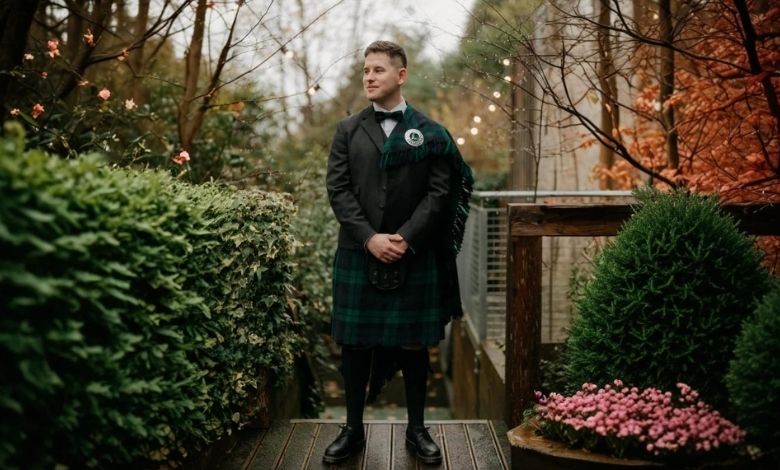
The kilt is far more than a piece of clothing—it is a proud symbol of Scottish heritage, tradition, and identity. Whether you’re preparing to attend a wedding, a Highland games event, a cultural festival, or simply showing appreciation for Scottish culture, understanding proper kilt etiquette is essential. This guide will walk you through everything you should and shouldn’t do when wearing a kilt, ensuring you look respectful, confident, and stylish in your scottish kilt outfit.
Understanding the Importance of Kilt Etiquette
Kilts have been worn in Scotland for centuries and are closely tied to clan pride and national history. Because of this deep cultural meaning, wearing a kilt the wrong way can come across as disrespectful or uninformed. Kilt etiquette ensures you honor the tradition while still enjoying the unique style and comfort that come with wearing one.
What You SHOULD Do When Wearing a Kilt
1. Choose the Right Kilt for the Occasion
Kilts come in various styles—traditional tartan kilts, utility kilts, casual kilts, and more. Always match the kilt to the event:
- Weddings and formal ceremonies: Opt for a formal tartan kilt with a Prince Charlie jacket or Argyll jacket.
- Casual gatherings: A lighter, more relaxed style can work well.
- Highland games or festivals: A traditional family tartan is ideal.
Selecting the right style ensures your scottish kilt outfit looks polished, sophisticated, and suitable for the setting.
2. Wear Your Kilt at the Proper Length
A common mistake is wearing the kilt too long or too short. Traditionally, the kilt hem should fall at the middle of your kneecap. This length flatters the body and maintains the authentic Scottish look.
If the kilt sits too low or high on the waist, it may appear awkward—so position it at the natural waist for the best appearance and comfort.
3. Use the Correct Accessories
Accessories are a key part of kilt etiquette. A complete Scottish look includes:
- Sporran – hangs at the front and serves as both decoration and storage.
- Kilt belt and buckle – used only when not wearing a waistcoat.
- Kilt hose – woolen socks worn up to the knee.
- Ghillie brogues – traditional shoes with long laces tied around the ankles.
- Sgian Dubh – a small decorative knife placed in the right kilt hose (optional but culturally significant).
- Kilt pin – pinned on the lower right corner of the outer apron.
These elements complete your scottish kilt outfit and help maintain its authenticity.
4. Sit Gracefully and Correctly
Sitting in a kilt requires a bit of attention. To avoid awkward exposures:
- Smooth the pleats behind you before sitting.
- Keep your knees together or slightly angled.
- Avoid slouching to prevent the kilt from riding up.
Mastering this helps you stay both comfortable and respectful.
5. Respect Clan Tartans
If you are not part of a Scottish clan, you can still wear tartan—just choose a universal or district pattern. Avoid wearing a specific clan tartan unless you have permission or a family connection. This small step shows cultural respect and awareness.
6. Wear the Kilt with Confidence
Kilts are bold, eye-catching, and steeped in tradition. Confidence is part of the etiquette! Stand tall, walk with pride, and enjoy wearing a piece of history that represents Scottish culture at its finest.
What You Should NOT Do When Wearing a Kilt
1. Don’t Treat the Kilt Like a Costume
A kilt is not a costume—it’s a respected national garment. Avoid wearing it for jokes or inappropriate occasions. Wearing a kilt should always be done with respect, even if the event is casual or fun.
2. Don’t Wear the Kilt Too Low
Some people wear kilts like modern jeans, letting them sit on the hips. This is incorrect and disrupts the look completely. A traditional kilt must sit high on the natural waist to fall correctly at the knees.
3. Don’t Forget the Sporran
The sporran is not optional—it’s essential. Without it, the front of the kilt looks incomplete and unbalanced. The sporran also prevents the apron from blowing open in windy conditions, helping you avoid embarrassing moments.
4. Don’t Pin the Apron Closed with the Kilt Pin
The kilt pin is decorative and should never be used to fasten the apron layers together. Pin it through the outer layer only. Using it wrongly can damage the fabric or restrict the way the kilt moves.
5. Don’t Mix Modern and Traditional Incorrectly
While modern kilts and jackets can look great, combining traditional and modern elements without awareness can result in a mismatched appearance. For example:
- A Prince Charlie jacket is for formal events—don’t pair it with a casual shirt.
- Utility kilts pair better with modern tops, not dress shirts or waistcoats.
Match the formality levels of all pieces in your scottish kilt outfit.
6. Don’t Overload the Kilt with Too Many Accessories
Accessories enhance the kilt—but too many can look cluttered. Stick to the essentials and avoid excessive badges, chains, or novelty items. A clean, classic look is always best.
7. Don’t Ignore Weather Conditions
Strong winds and kilts don’t always mix well. Hold the sides of your kilt subtly when needed, especially outdoors. Also, avoid extremely light kilts on windy days unless you’re prepared for constant adjustments.
Common Kilt Etiquette Questions
Do you wear anything under the kilt?
Traditionally, many Scots wear nothing underneath. However, modern etiquette says it’s your personal choice—as long as you stay respectful and avoid making a joke of the tradition.
Can anyone wear a kilt?
Yes! Anyone can wear a kilt as long as they do so respectfully and follow proper etiquette.
Is it okay to wear a kilt outside Scotland?
Absolutely. Kilts are celebrated worldwide, especially at weddings, festivals, parades, and cultural events.
Conclusion
Wearing a kilt is a proud way to honor Scottish history, culture, and craftsmanship. By following the proper kilt etiquette—choosing the right style, wearing it at the correct length, and respecting traditional accessories—you ensure your scottish kilt outfit looks appropriate and dignified. Avoiding common mistakes helps you look polished while demonstrating respect for this iconic garment. Whether you’re attending a formal ceremony or enjoying a cultural festival, wearing a kilt the right way allows you to carry on a legacy that has stood strong for generations.