
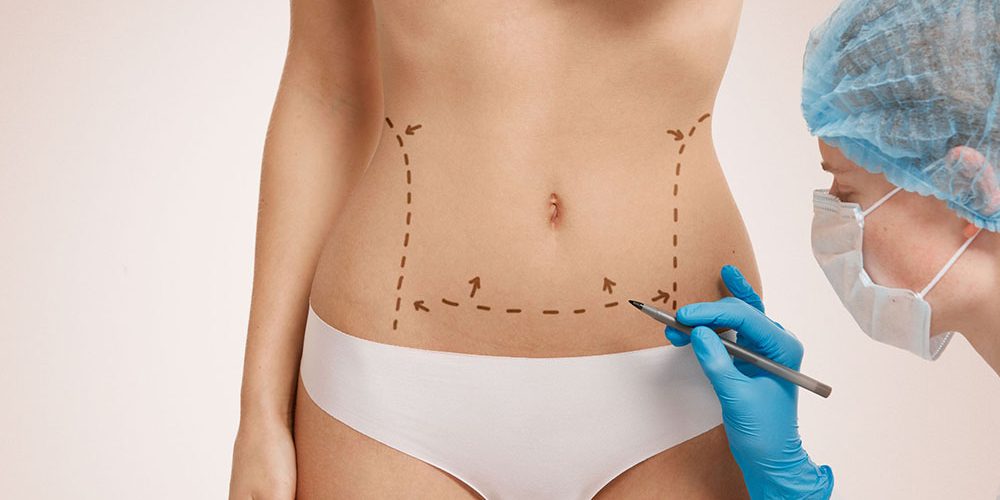
When considering options for body contouring, many individuals search for effective solutions to address areas of stubborn fat that seem resistant to traditional diet and exercise. Understanding how specific procedures interact with body anatomy is essential for making informed decisions regarding personal wellness goals.
- This section introduces the concept of body contouring and the common struggle with localized fat deposits.
- It highlights the importance of managing expectations and understanding the mechanism behind fat reduction techniques.
- The second paragraph naturally integrates Liposuction Abu Dhabi to ground the discussion in a professional context.
Understanding the Mechanism of Fat Reduction
At its core, the procedure is designed as a body contouring tool rather than a substitute for weight management. The focus is on the removal of adipose tissue from specific areas where fat cells have accumulated. During the process, a specialized instrument is utilized to gently break up and remove these fat cells through a small incision. Because the number of fat cells in an adult’s body remains relatively stable after physical maturity, the permanent removal of these cells can lead to a more sculpted appearance in the treated region.
- Defines the procedure as a contouring tool rather than a primary weight loss method.
- Explains the physical process of removing fat cells and the permanence of the reduction in that specific area.
- Provides context on how adult fat cell counts behave, which helps in understanding the long-term nature of the results.
Defining Targeted Areas and Body Contouring
The versatility of this technique allows it to be applied to various zones where stubborn fat frequently congregates. While the abdominal region is a common area of focus, the procedure is often used to address deposits around the flanks, back, and other regions where contouring can enhance the overall silhouette. The goal is to refine the body’s shape by focusing on localized areas that have proven unresponsive to broader lifestyle changes. By concentrating on these specific zones, the aesthetic objective is to create a more balanced and defined physical profile that aligns with the individual’s desired proportions.
- Discusses the anatomical versatility of the procedure beyond just the abdominal area.
- Emphasizes the goal of enhancing the silhouette and achieving a more balanced physical appearance.
- Explains that the procedure is most effective when targeting specific “pockets” of fat that do not respond to general wellness efforts.
Preparing for the Procedure and Personal Wellness
Success in achieving long-term satisfaction involves a holistic approach to health. Before engaging in any body contouring, it is beneficial to maintain a stable weight. This ensures that the results are not obscured by future weight fluctuations. A commitment to a balanced lifestyle, including regular physical activity and a nutrient-dense diet, serves as the foundation for maintaining the contours achieved through the procedure. By viewing the process as a complement to a healthy lifestyle rather than an alternative, individuals can better appreciate the role of body sculpting in their broader wellness journey.
- Outlines the importance of maintaining a stable weight to maximize the aesthetic outcomes.
- Reinforces the synergy between lifestyle habits and the results of body contouring.
- Encourages a long-term perspective on wellness where the procedure acts as a supportive measure.
The Importance of Realistic Expectations
A key component of the experience is maintaining an accurate understanding of what the procedure can and cannot achieve. It is not designed to alter the underlying muscle structure or address loose skin in the same way that different types of surgical interventions might. Instead, it is highly effective at reducing the volume of fat in the targeted area, which can lead to a smoother and more contoured look. Having open discussions about goals helps ensure that the chosen path aligns with the physical reality of what can be accomplished through fat reduction technology.
- Addresses the limitations of the procedure regarding skin tone and muscle structure.
- Clarifies that the primary outcome is a reduction in fat volume for a smoother silhouette.
- Highlights the necessity of setting goals that are consistent with the capabilities of the procedure.
Maintaining Results Over Time
Once the desired contour has been achieved, the focus shifts to preservation. Since the remaining fat cells in the body can still expand if caloric intake consistently exceeds expenditure, a focus on weight maintenance is essential. Adopting consistent habits helps ensure that the improved contours remain prominent. This maintenance phase is often viewed as a rewarding period where the physical changes provide additional motivation to continue with healthy habits, such as consistent exercise routines and mindful eating practices that support overall metabolic health.
- Discusses the necessity of long-term weight maintenance to protect the results.
- Explains that while fat cells are removed, remaining cells can still fluctuate in size.
- Frames the maintenance phase as a positive reinforcement cycle for overall wellness.
Frequently Asked Questions
Is this procedure a replacement for weight loss?
No, the procedure is not intended as a weight loss solution. It is a body contouring technique specifically designed to address localized pockets of fat that remain despite following a healthy lifestyle.
How does it affect the skin in the treated area?
The procedure targets the fat layer beneath the skin. While it can lead to a more contoured silhouette, its primary purpose is volume reduction rather than skin tightening, and it is most effective when the skin has sufficient elasticity.
How do I know if I am a good candidate?
An individual is typically considered a good candidate if they are at or near their goal weight, maintain a stable weight, and have specific areas of fat that do not respond to diet and exercise.
Can fat return to the treated area?
Because the number of fat cells is reduced in the treated area, it is harder for that specific zone to accumulate fat compared to other areas; however, maintaining a healthy lifestyle is still required to prevent the remaining fat cells from expanding.