
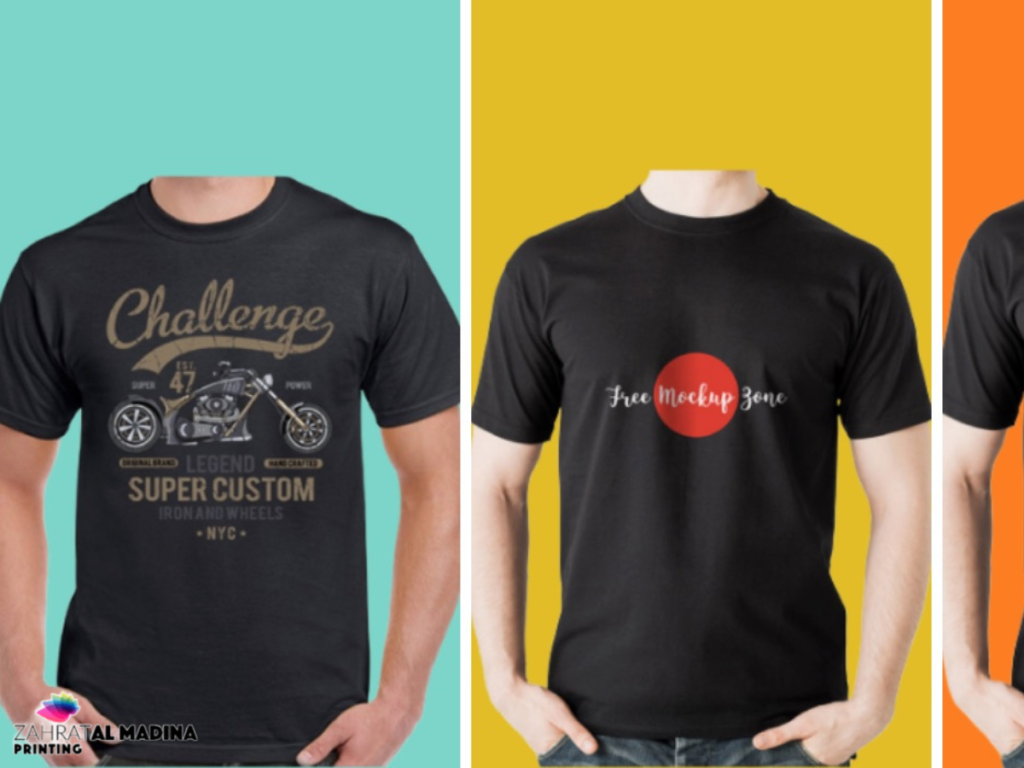
tshirt printing gives groups a simple way to create clothing that has a shared purpose without making every garment look exactly the same. A printed shirt can carry a small logo, a team number, an event design, a department name, or a creative illustration. What matters most is that the clothing matches the situation in which it will be worn. A shirt prepared for a company event may need a different design and fabric from one made for sports, outdoor work, or a school activity.
Printed clothing has become part of many everyday activities. It appears at exhibitions, charity events, school programmes, sports competitions, staff gatherings, restaurants, community activities, and private celebrations. The process may seem straightforward, but good results depend on several choices being made before the artwork reaches production.
T Shirt Printing for Different Types of Groups
Different groups have different reasons for ordering printed clothing. Some need people to recognise members quickly, while others simply want everyone to share a common design.
A business may prepare shirts for an exhibition team. A school may use them for a particular activity. A sports club may need numbers and player names. A restaurant may use printed garments as part of staff clothing.
The purpose affects almost every other decision, including:
- Fabric type
- Shirt colour
- Artwork size
- Print location
- Number of garments
- Personalisation
- Printing method
- Expected frequency of use
Starting with the purpose prevents the design from becoming the main consideration before practical requirements have been addressed.
When Matching Clothing Helps a Group
Matching shirts can make a group easier to identify, particularly in places where many people are present.
At an exhibition, visitors may need to distinguish staff from other attendees. At a charity event, volunteers may need to be recognised quickly. During a school activity, matching clothing can help organisers identify participants.
The shirt does not need to contain a large amount of information. A clear symbol, name, or small logo can often provide enough visual distinction.
For this reason, the design should be readable from a reasonable distance. Very small text may look fine on a computer but become difficult to notice when printed on a garment.
Choosing the Shirt Before the Artwork
One common mistake is creating the artwork first and choosing the garment afterwards. The t shirt printing itself should be considered early because its material and colour can affect the final design.
Cotton is commonly used for casual clothing because of its familiar feel. Polyester is often used for sports and active clothing, while blended fabrics combine properties from different materials.
The weight of the fabric is another consideration. Lightweight garments can be more comfortable in warm weather, while heavier materials may provide a different feel and appearance.
For clothing that will be used in Dubai’s warm climate, the expected environment deserves particular attention. A shirt worn outside for several hours may require different fabric considerations from one worn briefly inside an air-conditioned venue.
Design Size Should Match the Purpose
A small chest logo and a large front illustration create two very different results even when they use the same artwork.
Small designs can provide a simple appearance. Larger designs provide more space for illustrations, event graphics, or detailed artwork.
The design should be viewed at its actual intended size before production. This makes it easier to notice problems with tiny lettering, thin lines, or crowded elements.
A Simple Design Check
Before approving artwork, check:
- Is the text easy to read?
- Does the logo keep its original proportions?
- Are thin lines still visible?
- Is the artwork sharp enough?
- Does the design have enough empty space?
- Does the print size suit the shirt?
A design does not necessarily become better when more elements are added. In many cases, removing unnecessary details creates a clearer result.
Print Placement Changes the Appearance
The location of a print can influence how people see the shirt.
A chest position is often suitable for a small logo or name. The centre front provides more room for artwork. A back print can carry a larger message or graphic without making the front too busy.
Sleeve printing can be useful for smaller details such as a number, department name, or secondary symbol.
Front and Back Designs
Some organisations use a small front mark together with a larger back design. This arrangement can provide two different levels of information.
For example, the front may show the organisation’s name while the back contains an event title. A sports team could place a small club symbol on the front and a player number on the back.
The two sides should still feel like parts of the same design rather than unrelated graphics.
Colour Needs More Attention Than Expected
Colour selection involves both appearance and readability.
A dark shirt may need a lighter design to create sufficient contrast. A light shirt may work better with darker artwork. Bright garment colours can also change how certain printed colours appear.
When several shirt colours are used in one order, the artwork should be checked against each colour rather than assuming that one version will look identical everywhere.
A physical sample can be useful for larger orders because digital screens do not always represent fabric and ink colours exactly.
Printing Methods Depend on the Project
Printing technology should be selected according to the garment, artwork, quantity, and intended use.
Screen Printing
Screen printing is commonly used for larger quantities, particularly when the artwork uses a limited number of colours. The preparation process involves separate screens for the colours being printed.
Direct-to-Garment
Direct-to-garment printing applies ink directly to suitable fabric. It can be useful for detailed artwork and designs containing multiple colours.
Heat Transfer
Heat transfer applies a prepared design to the garment using heat and pressure. It can be practical for smaller orders and individual personalisation.
Direct-to-Film
Direct-to-film printing transfers a prepared design from film onto fabric. It can handle detailed artwork and is used with different garments depending on material and production requirements.
The artwork should be reviewed before selecting the method. A process that works well for one design may not be the most suitable for another.
Personalised Shirts Need Extra Checking
A group order does not always mean every shirt should be identical.
Personalised clothing can include:
- Employee names
- Player numbers
- Job roles
- Department names
- Event positions
- Individual initials
Personalisation adds another level of checking. Every name and number should be confirmed before production.
A simple spreadsheet can help organise the order. It can contain the person’s name, shirt size, colour, number, and any other required detail.
This is particularly useful when an order contains dozens of garments with different combinations.
Getting the Size Distribution Right
Size planning can be surprisingly important. Ordering the correct total quantity does not guarantee that everyone will receive a suitable shirt.
For a team order, sizes should ideally be collected from the people who will wear the garments. This reduces the chance of having too many shirts in one size and not enough in another.
For recurring events, keeping a record of previous orders can also help with future planning. The information can show which sizes were commonly required without relying entirely on guesswork.
Clothing for Outdoor and Indoor Activities
The environment should influence the garment selection.
Indoor events usually provide more control over temperature, while outdoor activities expose clothing to heat, movement, dust, and sunlight.
For outdoor use, organisers may want to consider:
- Breathability
- Fabric weight
- Comfort during movement
- Expected duration of wear
- Washing requirements
- Colour suitability
A shirt intended for a two-hour indoor meeting does not need to meet the same practical requirements as clothing worn throughout an outdoor event.
How Printed Shirts Can Fit Corporate Gifts Dubai
Printed clothing can also become part of a wider business gifting arrangement. Companies researching corporate gifts Dubai may consider useful items that can be given to employees, event participants, or business contacts.
A T-shirt can be combined with products such as:
- Reusable water bottles
- Tote bags
- Mugs
- Notebooks
- Caps
- Pens
The design for a gift should consider the recipient. A shirt intended for employees attending a company event may include a group design, while a shirt given to a client may work better with a smaller and less prominent company reference.
The usefulness of the garment should remain more important than simply adding as much branding as possible.
Preparing Artwork for Production
Artwork preparation can affect the final quality as much as the printing process itself.
Low-resolution images may appear acceptable when viewed as small files but become unclear when enlarged. Logos should ideally be supplied in a suitable high-quality format.
Before production, check:
- The spelling of all text.
- Logo proportions.
- Image resolution.
- Print dimensions.
- Background requirements.
- Colour selection.
- Placement on the garment.
- Any personalised information.
The final artwork should represent what is actually expected on the shirt, rather than relying on assumptions about how the printer will adjust it.
What to Check Before Approving a Bulk Order
A sample or proof can reveal issues that are difficult to notice in the original artwork.
Look at the physical garment from normal viewing distance. Check whether the design is too large, too small, too high, or too low. Examine whether the colours provide enough contrast and whether the material feels suitable.
For personalised orders, check the first completed examples carefully before the entire batch is produced where the production process allows this.
A small correction before bulk production is much easier than correcting a large number of finished garments.
Caring for Printed Clothing
The lifespan of a printed garment depends on several factors, including the fabric, printing process, frequency of washing, and care method.
Washing instructions supplied with the garment should be followed. Excessive heat or harsh treatment can affect both fabric and print.
For regularly used shirts, proper care becomes particularly important because repeated washing places more stress on the garment than occasional use.
Turning printed clothing inside out before washing can also be useful for reducing direct friction against the printed surface, depending on the garment and care instructions.
A Practical Way to Plan an Order
A simple planning sequence can make the process easier:
1. Define the Use
Decide where and when the shirts will be worn.
2. Select the Garment
Choose the fabric, colour, and style according to the activity.
3. Prepare the Artwork
Create a design that works at the actual print size.
4. Decide the Placement
Choose chest, front, back, sleeve, or a combination.
5. Confirm Quantities
Prepare a complete size breakdown and personalisation list.
6. Review Before Production
Check artwork, spelling, colours, measurements, and garment details.
Printing companies such as Zahrat Al Madina Printing may handle T-shirt orders alongside other printed materials, with production requirements varying according to the selected garment, artwork, quantity, and printing method. Keeping all specifications clear before production helps reduce unnecessary changes later.
Final Thoughts
Printed clothing can be useful for far more than simple advertising. It can identify a team, organise an event, create a shared appearance, provide personalised clothing, or become part of a practical business gift.
The most important decisions happen before the printing begins. The purpose of the shirt should guide the fabric, design, colour, placement, and printing process. Size planning and artwork checking are equally important when an order contains many garments.
A well-planned shirt does not need a complicated design. When the garment suits its purpose and the printed information remains clear, the final result can be practical, comfortable, and appropriate for the people who will actually wear it.