
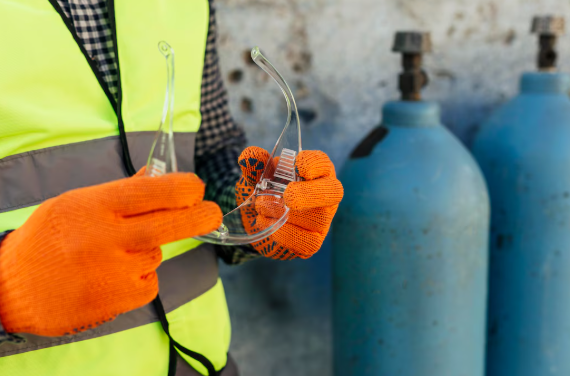
Gas bottles, also known as LPG cylinders, are widely used in homes for cooking, heating, camping, and even as backup energy sources. While convenient, handling and refilling them requires care, attention, and proper knowledge of safety procedures. Many people wonder if they can refill gas bottles at home, and the short answer is: yes, in certain situations, but with strict safety precautions.
This step-by-step guide will explain how to safely refill gas bottles at home, the equipment you need, the precautions to take, and the mistakes you must avoid. By following this guide, you’ll not only save money but also ensure that your home remains safe while using gas bottles.
Why Refill Gas Bottles at Home?
Before diving into the steps, it’s important to understand why many people choose to refill gas bottles themselves instead of exchanging them at a supplier:
- Cost Savings: Refilling bottles can be significantly cheaper than swapping them out.
- Convenience: No need to wait for deliveries or travel long distances to refill stations.
- Emergency Preparedness: During blackouts or natural disasters, having the ability to refill bottles ensures you won’t run out of essential fuel.
- Sustainability: Refilling reduces waste by reusing existing bottles instead of purchasing new ones.
However, these benefits come with a crucial reminder: safety should always come first. LPG (liquefied petroleum gas) is highly flammable and can be dangerous if mishandled.
Safety Precautions Before You Start
When handling gas bottles, there is zero room for error. Here are some must-follow precautions:
- Work Outdoors or in a Well-Ventilated Area
Never refill gas bottles indoors. Gas vapors can accumulate, creating a fire or explosion hazard. - Keep Away from Flames and Sparks
Ensure there are no open flames, cigarettes, or electrical sparks nearby. - Use Approved Equipment
Always use a proper gas transfer hose with safety fittings designed for LPG refilling. - Wear Protective Gear
Use gloves and safety goggles to protect your hands and eyes from cold burns (caused by liquid gas leaks). - Check Bottle Condition
Inspect the gas bottle for dents, rust, leaks, or expired certification. Damaged bottles should never be refilled. - Know Your Limits
Overfilling is dangerous. Gas bottles must only be filled to 80% of their total capacity to allow room for expansion. - Have a Fire Extinguisher Ready
A Class B fire extinguisher should always be nearby in case of emergencies.
Tools and Equipment You’ll Need
To safely refill gas bottles at home, you need the right tools. Here’s a list of essential equipment:
- Donor Tank: A larger LPG cylinder (the source of gas).
- Receiver Bottle: The smaller gas bottle you want to refill.
- Refilling Adapter/Transfer Hose: A certified LPG refill kit with valves and safety locks.
- Digital Scale: To weigh the receiving bottle and prevent overfilling.
- Protective Gear: Gloves, goggles, and closed shoes.
- Leak Detection Solution: Soapy water in a spray bottle to check for leaks after filling.
Step-by-Step Guide: How to Safely Refill Gas Bottles at Home
Now that we’ve covered safety and tools, let’s go through the actual process.
Step 1: Choose a Safe Location
- Set up outdoors in an open, well-ventilated space.
- Ensure the ground is stable and flat to prevent bottles from tipping over.
Step 2: Inspect the Gas Bottles
- Check both the donor tank and receiving bottle for visible damage.
- Verify that the bottles are within their certification period (usually stamped on the collar).
- Make sure valves are clean and free of debris.
Step 3: Weigh the Empty Bottle
- Place the receiving bottle on a digital scale.
- Note its empty weight (tare weight or TW), which is usually stamped on the bottle.
- Calculate the safe filling weight:
Filling Limit = Tare Weight + 80% of Bottle Capacity
Example: A 9kg bottle with a tare weight of 10kg should weigh 10 + 7.2 = 17.2kg when safely filled.
Step 4: Connect the Transfer Hose
- Attach the transfer hose between the donor tank and receiving bottle.
- Ensure all fittings are tightly secured using a wrench (if required by your adapter).
- Double-check connections before proceeding.
Step 5: Invert the Donor Tank
- Place the donor tank upside down to allow liquid LPG (not just gas vapor) to flow into the receiving bottle.
- Keep it stable using a secure stand or support.
Step 6: Open the Valves Slowly
- Open the valve on the donor tank.
- Gradually open the valve on the receiving bottle.
- You’ll hear a hissing sound as gas transfers between the cylinders.
Step 7: Monitor the Weight
- Continuously monitor the weight of the receiving bottle using the scale.
- Once it reaches the calculated safe filling weight, immediately close the valves.
Step 8: Disconnect and Seal
- Close the donor tank valve first, then the receiving bottle valve.
- Carefully disconnect the transfer hose.
- Replace the protective cap on the receiving bottle valve.
Step 9: Check for Leaks
- Spray soapy water around the valve and connections of the refilled bottle.
- Look for bubbles, which indicate a leak.
- If a leak is found, do not use the bottle. Take it to a professional for repair or disposal.
Step 10: Store Safely
- Store the refilled bottle in an upright position.
- Keep it in a cool, dry, and well-ventilated area, away from direct sunlight or heat sources.
Common Mistakes to Avoid
Even experienced users can make mistakes. Here are the most common and dangerous ones:
- Overfilling – Never exceed 80% capacity. Overfilled bottles may rupture or release excess gas.
- Refilling Indoors – Gas accumulation indoors can lead to explosions.
- Using Damaged Cylinders – Weak or rusted bottles can fail under pressure.
- Improvised Equipment – Always use certified refill kits; homemade adapters are risky.
- Ignoring Leaks – Even a small leak can lead to disaster. Always check after refilling.
Legal Considerations
Before refilling gas bottles at home, check your local laws and regulations. In many regions, home refilling is restricted or prohibited due to safety concerns.
- In some countries, only licensed refill stations are allowed to handle LPG transfers.
- Insurance policies may not cover damages caused by unauthorized refilling.
- Some refill kits are sold for camping and off-grid use only, not for residential LPG supply.
Always ensure you are complying with local rules to avoid legal and safety issues.
Alternatives to Refilling at Home
If refilling at home seems too risky or restricted in your area, here are safer alternatives:
- Gas Swap Services – Exchange your empty bottle for a full one at a gas supplier.
- Authorized Refill Stations – Take your bottle to a licensed LPG dealer.
- Portable Refill Solutions – Some companies offer safe, on-site refilling services.
While these options may cost a little more, they eliminate the risks associated with DIY refilling.
Safety Tips for Everyday Use of Gas Bottles
Refilling is only one part of handling LPG safely. Here are additional tips for daily use:
- Always keep gas bottles upright during use and storage.
- Never use damaged regulators, hoses, or valves.
- Turn off gas supply when not in use.
- Install gas detectors in your home for early leak detection.
- Schedule regular inspections of your gas setup.
Final Thoughts
Learning how to safely refill gas bottles at home can be useful for off-grid living, camping, or emergency preparedness. The process itself is straightforward, but it comes with serious risks if not done correctly.
By following the step-by-step guide, using the right equipment, and adhering to safety precautions, you can refill gas bottles in a safe and controlled way. However, always check your local regulations before attempting this process, and if in doubt, rely on authorized refill stations for peace of mind.
Remember, saving money is great, but nothing is more valuable than your safety and the safety of those around you.