
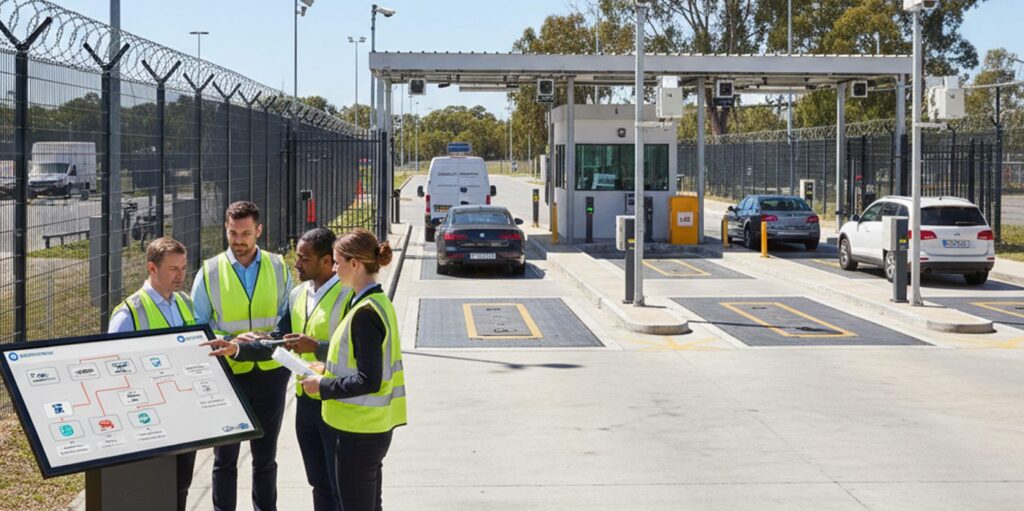
Protecting facilities from evolving security threats requires more than traditional access control measures. Vehicles entering secure locations can potentially carry hidden risks that are difficult to detect through visual inspections alone. Commport Technologies, a trusted supplier of advanced License Plate Recognition (LPR) systems, helps organizations strengthen vehicle screening processes through intelligent security solutions that improve visibility, automate inspections, and enhance threat detection.
Today, organizations responsible for critical infrastructure, government facilities, industrial sites, logistics centers, airports, ports, and commercial properties face increasing pressure to secure their perimeters against unauthorized access and concealed threats. Advanced vehicle inspection technologies provide a proactive approach to identifying hidden risks before they enter protected environments.
Why Concealed Vehicle Threats Remain a Major Security Concern
Vehicles offer numerous areas where suspicious items or unauthorized modifications can be hidden. The underside of a vehicle is particularly difficult to inspect using conventional security procedures, making it a potential vulnerability for facilities that rely solely on manual checks.
Security teams often face challenges such as:
- Limited visibility beneath vehicles
- High traffic volumes at entry points
- Time-consuming inspection processes
- Human error during manual screening
- Difficulty identifying concealed objects
- Pressure to maintain operational efficiency
Without proper inspection technology, security personnel may struggle to detect threats that are intentionally hidden from view.
The Limitations of Manual Vehicle Inspections
Many organizations continue to rely on guards performing visual vehicle checks at entry points. While these inspections can identify obvious concerns, they may not provide the detailed visibility required to uncover concealed risks.
Restricted Viewing Angles
Inspecting the underside of a vehicle manually can be difficult and often requires specialized equipment or mirrors that provide limited visibility.
Inconsistent Results
Different personnel may interpret inspection findings differently, creating inconsistencies in security procedures.
Increased Processing Times
Manual inspections can slow traffic flow, particularly during busy periods when large numbers of vehicles need to be screened quickly.
Missed Threats
Hidden objects, suspicious modifications, or unauthorized compartments may go undetected during routine visual inspections.
These limitations highlight the need for advanced technologies that improve both inspection accuracy and operational efficiency.
Understanding Under Vehicle Inspection Technology
Under vehicle inspection systems are designed to provide security teams with detailed visibility of a vehicle’s undercarriage as it enters a facility.
Using specialized imaging technology, these systems automatically capture high-resolution images of the underside of each vehicle. Security personnel can then review the images in real time or compare them with historical records to identify abnormalities.
What Can Under Vehicle Inspection Reveal?
Advanced inspection systems help security teams detect:
- Foreign objects attached beneath vehicles
- Suspicious packages
- Structural modifications
- Hidden compartments
- Contraband concealment attempts
- Unusual changes compared to previous inspections
This level of visibility significantly improves the ability to identify risks before a vehicle gains access to secure areas.
Why Early Detection Is Critical
Detecting threats at the perimeter is far more effective than responding after a vehicle has entered a facility.
Preventing Unauthorized Access
Potential threats can be intercepted before they reach sensitive assets or operational areas.
Protecting Personnel and Infrastructure
Early identification reduces the likelihood of security incidents that could endanger employees, visitors, or critical operations.
Supporting Incident Prevention
Security teams can investigate suspicious vehicles immediately rather than responding to incidents after they occur.
Maintaining Business Continuity
Proactive screening helps organizations avoid costly disruptions caused by security breaches.
A strong perimeter inspection strategy creates a valuable layer of protection for facilities across multiple industries.
The Role of License Plate Recognition in Vehicle Screening
While under vehicle inspection provides visibility beneath the vehicle, security teams also need to know exactly which vehicle is approaching the facility.
This is where License Plate Recognition technology becomes an essential component of a comprehensive security solution.
LPR systems automatically capture and analyze license plate information as vehicles approach security checkpoints.
Benefits of LPR Technology
Automated Vehicle Identification
Vehicles are identified instantly without requiring manual verification.
Access Authorization
License plates can be matched against approved vehicle databases and visitor management systems.
Watchlist Monitoring
Security personnel receive alerts when vehicles associated with security concerns attempt to enter the facility.
Accurate Audit Trails
Every vehicle entry and exit is recorded automatically, creating detailed security records.
These capabilities strengthen access control while reducing administrative workload.
How LPR Integrates with Vehicle Inspection Systems
The most effective vehicle security strategies combine multiple technologies into a single screening process.
When LPR systems integrate with vehicle inspection solutions, security teams gain a complete view of each vehicle entering the facility.
Step 1: Vehicle Identification
The LPR system captures and verifies the license plate information.
Step 2: Undercarriage Imaging
The vehicle passes over an inspection platform that captures detailed images of the underside.
Step 3: Data Correlation
Vehicle identification data is linked with inspection images and stored within a centralized security database.
Step 4: Threat Evaluation
Security personnel review alerts, compare inspection records, and assess potential risks before granting access.
This integrated workflow improves accuracy, reduces response times, and supports better security decision-making.
Protecting Critical Infrastructure
Critical infrastructure facilities such as power plants, water treatment facilities, energy installations, and telecommunications centers require advanced security measures due to their importance to public safety and national operations.
Integrated vehicle screening solutions help these facilities:
- Detect concealed threats
- Improve perimeter security
- Strengthen regulatory compliance
- Protect essential assets
- Reduce operational vulnerabilities
Comprehensive vehicle inspections help ensure that threats are identified before they impact critical services.
Enhancing Security at Government Facilities
Government agencies often manage large volumes of authorized and visitor vehicles each day.
Advanced vehicle screening technologies support government security by:
- Automating access control
- Monitoring vehicle movements
- Detecting suspicious activity
- Supporting investigations
- Improving facility protection
These capabilities help agencies maintain strict security standards while improving operational efficiency.
Improving Security for Industrial and Logistics Operations
Manufacturing facilities, warehouses, and logistics centers depend on efficient vehicle movement to maintain productivity.
Better Access Management
Automated vehicle screening ensures that authorized vehicles enter quickly while unauthorized vehicles are flagged for review.
Reduced Cargo Risks
Detailed inspections help identify suspicious modifications or concealed items that could threaten operations.
Faster Gate Processing
Integrated systems reduce delays while maintaining high security standards.
Supporting Airports, Ports, and Commercial Facilities
Airports and ports manage continuous vehicle traffic, making efficient screening essential. Commercial facilities also require stronger protection as vehicle-related security risks continue to evolve.
Integrated inspection and identification technologies help:
- Improve access control
- Increase situational awareness
- Reduce security vulnerabilities
- Accelerate vehicle processing
- Enhance threat detection capabilities
These benefits support safer operations without disrupting daily activities.
The Future of Vehicle Threat Detection
As organizations continue to face increasingly sophisticated threats, vehicle security technologies are becoming more intelligent and automated. Security teams need solutions that provide comprehensive visibility while maintaining operational efficiency.
A modern uvss system integrated with advanced LPR technology enables organizations to strengthen perimeter security, improve vehicle screening accuracy, and identify concealed risks before they enter protected facilities.
Conclusion
Concealed risks beneath vehicles represent a significant challenge for organizations responsible for protecting sensitive facilities. Traditional inspection methods alone often lack the visibility and consistency required to detect hidden threats effectively.
By combining under vehicle inspection technology with License Plate Recognition systems, security teams can create a comprehensive screening process that improves threat detection, enhances access control, and supports safer operations. Whether protecting critical infrastructure, government facilities, industrial sites, logistics centers, airports, ports, or commercial properties, integrated vehicle security solutions provide a powerful defense against modern security risks.