
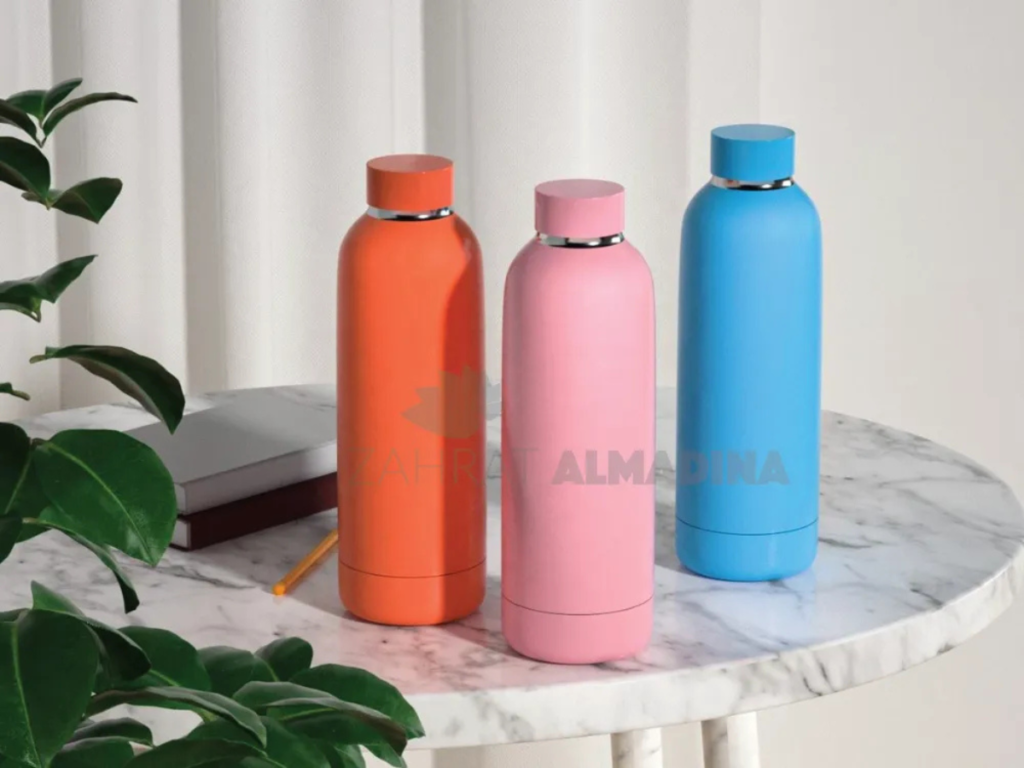
Carrying drinking water has become part of everyday life. People take water to work, school, gyms, outdoor activities, meetings, and travel. Because of this, the type of bottle used can affect convenience, storage, and how often people refill it.
A plastic water bottle is one of the commonly used options because it is generally lightweight and easy to carry. Plastic bottles are available in different shapes, sizes, materials, and designs, which makes them suitable for different situations. Some are made for single use, while reusable versions are designed to be washed and used again.
Businesses also use bottles as part of events, employee kits, and promotional programs. A custom water bottle can include a company logo, event name, message, or individual design. This makes the bottle useful as both a practical item and a way to identify a group or occasion.
1. Why Plastic Water Bottles Are Widely Used
The main reason plastic bottles remain popular is convenience. They are generally lighter than glass bottles and can be carried easily in bags, vehicles, and storage areas.
Different sizes make them suitable for different activities. A small bottle may be convenient for short trips, while a larger bottle can be useful during long workdays or outdoor activities.
Plastic bottles are also available in many shapes. Some are designed to fit standard cup holders, while others have wider openings for easier filling and cleaning.
The right choice depends on how the bottle will be used and whether it is intended for one-time or repeated use.
2. Different Types of Plastic Used for Bottles
Not all plastics have the same properties. Manufacturers use different types of plastic depending on the intended purpose of the bottle.
Common materials include PET, HDPE, polypropylene, and other food-contact plastics.
PET is widely used for many single-use beverage bottles because it is lightweight and clear. Other plastics may be selected for reusable bottles because they can offer different levels of flexibility, durability, or resistance to repeated use.
When choosing a bottle, it is useful to check the manufacturer’s information about its intended use. A bottle designed for repeated use should be cared for according to its specific instructions.
3. How Bottle Size Affects Daily Use
Bottle capacity can make a major difference to convenience. There is no single size that suits everyone.
Smaller bottles are easy to carry and can be useful for short journeys, meetings, or children’s activities. Medium-sized bottles can work well for office and school use, while larger bottles are often preferred for sports, travel, or long outdoor activities.
Businesses may also choose different sizes depending on the purpose of an event or gift package.
Before selecting a bottle, users should consider where it will be stored, how often it needs to be refilled, and how easy it is to carry.
4. The Role of a Custom Water Bottle
A custom water bottle can be designed for a particular business, event, group, or individual. Customisation may include a logo, name, message, artwork, or other visual elements.
These bottles are often used for:
- Corporate events
- Sports teams
- School activities
- Conferences
- Employee kits
- Outdoor events
- Promotional campaigns
A customised bottle can help members of a group identify their belongings and create a consistent appearance during an event.
The design should remain simple enough to keep important information readable. A crowded design can make a bottle look less organised and may reduce the visibility of the main message.
5. Printing Methods Used on Water Bottles
Different printing methods can be used depending on the bottle material, surface, design, and required quantity.
Screen printing is commonly used for simple designs and solid colours. UV printing can produce detailed artwork directly on suitable surfaces. Other methods may be selected for curved surfaces or specific materials.
The type of printing can also affect durability. Bottles are handled frequently and may be exposed to water, heat, friction, and cleaning.
For this reason, the printing method should match the expected use of the bottle rather than being selected only based on appearance.
6. Choosing a Bottle for Business Events
Businesses often provide drinking bottles at meetings, conferences, exhibitions, and employee activities. A useful bottle can become part of an event kit and give participants something they can continue using afterwards.
When selecting bottles for an event, organisers may consider:
- Number of attendees
- Bottle capacity
- Material
- Design requirements
- Event duration
- Budget
- Packaging
For larger events, ordering quantities in advance can make planning easier. It is also important to check artwork and product samples before a large production run when the design needs to be precise.
7. Reusable Bottles and Everyday Habits
Reusable bottles can encourage people to carry water with them instead of purchasing a new disposable bottle each time they need a drink.
However, reusability depends on proper care. Bottles should be cleaned regularly according to the manufacturer’s instructions. Lids, seals, and narrow areas can require extra attention because moisture may remain inside them.
A bottle that is difficult to clean may not be suitable for someone who uses it frequently.
When selecting a reusable bottle, practical features such as opening size, lid design, durability, and ease of cleaning can be just as important as appearance.
8. Design Features That Improve Convenience
Small design details can make a bottle easier to use.
Useful features may include:
- Secure lids
- Carrying loops
- Wide openings
- Leak-resistant closures
- Transparent measurement marks
- Grip-friendly shapes
For sports or outdoor use, a secure lid can help prevent spills. For office use, a compact shape may be more convenient for carrying and storage.
A bottle should be selected according to the environment where it will be used. A design that works well at a desk may not be suitable for hiking or sports activities.
9. Hygiene and Proper Bottle Care
Regular cleaning is important for any reusable drinking container. Water bottles can come into contact with hands, bags, desks, and other surfaces throughout the day.
Users should follow the manufacturer’s cleaning instructions and pay attention to the lid and seal. If a bottle develops an unusual smell, visible buildup, cracks, or other damage, it may need closer inspection or replacement.
Bottles should also be stored dry when they are not being used for extended periods.
Good care can help maintain the condition of a reusable bottle and make everyday use more convenient.
10. Future Trends in Water Bottle Design
Water bottle designs continue to change as consumer preferences develop. Manufacturers are exploring different materials, shapes, printing techniques, and reusable features.
Customisation is also becoming more flexible. Businesses and organisations can use personalised designs for specific events rather than relying on one standard product for every occasion.
Sustainability is another important area of discussion. Many consumers and businesses are paying greater attention to reusable products, material selection, packaging, and product lifespan.
Printing companies such as Zahrat Al Madina Printing are part of this wider market, producing customised bottles and other printed products for business and event requirements.
Final Thoughts
A plastic water bottle can be a practical choice for carrying drinking water, especially when its size, material, and design match the user’s needs. Reusable options can also become part of everyday routines when they are cleaned and maintained properly. For businesses, a custom water bottle can combine practical use with event identification, group branding, or personalised designs. By considering material, capacity, printing method, and intended use, it becomes easier to choose a bottle that fits the situation.