
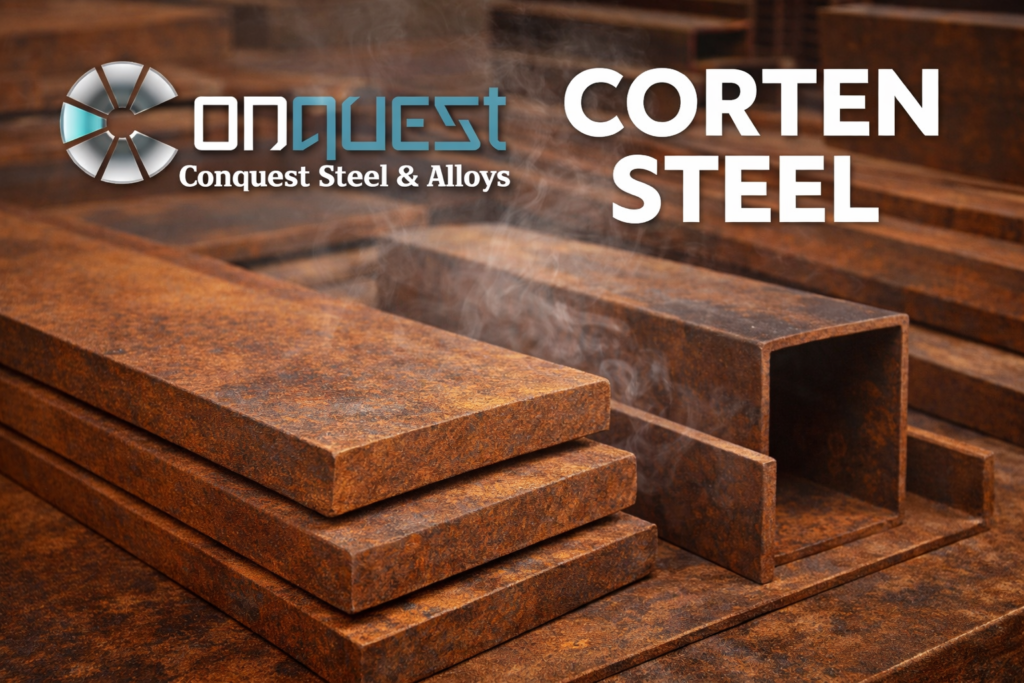
Corten steel, also known as weathering steel, has become one of the most trusted materials in construction, architecture, and heavy industry. Its distinctive rusted appearance is not a sign of weakness — it is actually the key to its strength. One of the most common questions buyers, engineers, and architects ask is: How long does Corten steel last?
The answer depends on environment, design, and application, but when used correctly, Corten steel can last 40 to 120+ years with minimal maintenance. Let’s break down why this material is so durable and what affects its lifespan.
What Makes Corten Steel So Durable?
Unlike ordinary carbon steel, Corten steel contains alloying elements such as:
- Copper
- Chromium
- Nickel
- Phosphorus
These elements help form a protective oxide layer (patina) when exposed to alternating wet and dry conditions. Instead of rust flaking off like in mild steel, this patina adheres tightly to the surface, acting as a shield against further corrosion.
This self-protecting mechanism is what gives Corten steel its exceptional lifespan.
Average Lifespan of Corten Steel
Here’s a general idea of how long Corten steel lasts in different environments:
| Environment Type | Expected Lifespan |
|---|---|
| Rural / Dry Climate | 80–120+ years |
| Urban Environment | 60–100 years |
| Industrial Environment | 40–80 years |
| Coastal (High Salt) | Reduced lifespan unless treated |
In favorable conditions, Corten steel outperforms many traditional structural steels.
How the Protective Patina Works
The durability of Corten steel depends on its wet-dry cycling process.
- When the steel is exposed to moisture, surface oxidation begins.
- As it dries, the oxidation stabilizes.
- Over time, a dense and stable patina layer forms.
- This layer slows down future corrosion by limiting oxygen and moisture penetration.
Unlike regular rust, this protective coating does not peel or crack easily, making the steel stronger over time.
Factors That Affect the Lifespan of Corten Steel
Although Corten steel is long-lasting, its performance depends heavily on surrounding conditions.
1. Environmental Exposure
This is the biggest factor.
- Dry climates → Longer lifespan
- Frequent rain with drying cycles → Ideal for patina formation
- Constant moisture or waterlogging → Reduces durability
- Marine/salt-heavy areas → Accelerated corrosion
In coastal areas, salt prevents the patina from stabilizing, which can cause continuous corrosion.
2. Structural Design
Poor design can shorten Corten steel’s life.
Avoid:
- Water traps
- Horizontal surfaces where water collects
- Crevices where moisture stays
Good drainage and airflow significantly improve lifespan.
3. Thickness of Steel
Thicker Corten steel plates naturally last longer. Even though the corrosion rate slows over time, a thicker base metal provides a larger safety margin.
4. Pollution Levels
Industrial pollution, sulfur compounds, and chemical exposure may affect the patina’s protective ability. However, Corten steel still performs better than mild steel in polluted environments.
Does Corten Steel Require Maintenance?
One of its biggest advantages is low maintenance.
Corten steel generally does not require painting or coating. However:
- Occasional inspection is recommended
- Remove debris that traps moisture
- Ensure drainage systems remain clear
Compared to painted steel, Corten steel saves long-term maintenance costs.
How Fast Does Corten Steel Corrode?
At the beginning, Corten steel may appear to rust quickly. But after the patina stabilizes:
- Corrosion rate drops significantly
- Loss of metal thickness becomes extremely slow
- Protective layer becomes more stable over years
This is why structures made decades ago still perform well today.
Where Is Long-Life Corten Steel Commonly Used?
Its durability makes it ideal for:
- Bridges
- Railway wagons
- Shipping containers
- Industrial chimneys
- Building facades
- Outdoor sculptures
- Landscaping features
These structures benefit from both strength and aesthetic appeal.
Corten Steel vs Mild Steel Lifespan
| Property | Corten Steel | Mild Steel |
|---|---|---|
| Corrosion Resistance | Very High | Low |
| Maintenance | Minimal | Frequent painting |
| Outdoor Lifespan | 50–120 years | 10–25 years |
| Cost Over Time | Lower (long-term) | Higher (maintenance cost) |
Though initial cost may be slightly higher, lifecycle cost is much lower.
When Corten Steel May Not Last as Long
Corten steel is not ideal for:
- Submerged structures
- Coastal areas without protection
- Areas with constant wet conditions
- Poorly ventilated enclosed spaces
In such cases, coatings or alternative materials may be needed.
Tips to Maximize Corten Steel Lifespan
- Design for proper drainage
- Avoid standing water
- Ensure airflow around surfaces
- Use correct grade (A588, A242, etc.)
- Avoid marine environments unless protected
Final Thoughts
So, how long does Corten steel last?
With proper design and suitable environmental conditions, Corten steel can easily last several decades to over a century. Its self-healing patina, high strength, and low maintenance requirements make it one of the most durable structural materials available.
That’s why engineers, architects, and industrial buyers choose Corten steel for long-term outdoor performance. When used correctly, it offers strength, sustainability, and cost-efficiency unmatched by ordinary steel.