
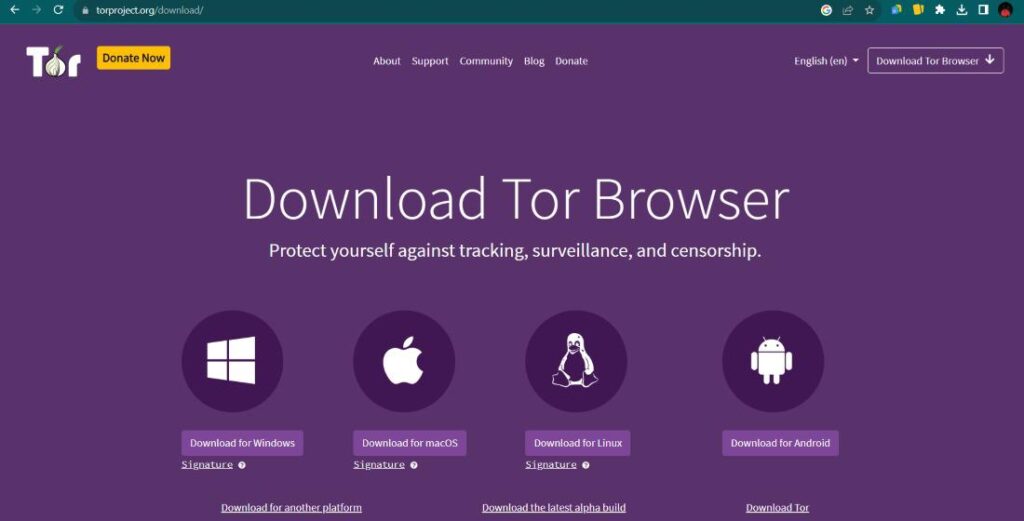
Did you know that nearly half of all internet users click on the very first result they see without checking if the information is actually true? This habit is risky because the top spot on a page does not always mean the content is honest or safe. When you browse the web, you are essentially a detective trying to separate helpful facts from digital noise. Learning how to judge the quality of what you find is the only way to stay safe and informed in an era of automated content.
Quality usually comes down to how well a result answers your specific question without wasting your time. You should look for signals that show the author knows the subject well. Is the language clear? Does the site look like it receives regular updates? If a page is full of broken images or spelling mistakes, it is likely that the creators do not value accuracy. High quality results tend to be transparent about where their data comes from and who wrote the piece.
Understanding Search Result Quality
Evaluating a search result starts the moment you look at the snippet on the results page. You can often tell if a link is worth your time – reading the short description under the title. If the text sounds like a robot wrote it or if it repeats the same phrase over and over, it is probably a low quality site. Helpful descriptions are a sign that the website values human readers over search engine algorithms.
Once you click through, you should check how the information is organized. Good content uses logical sections that make it easy for you to find exactly what you need. You want to see a balance of different perspectives rather than a one sided argument. If a site tries to force you to buy something or click a specific link immediately, it might be a marketing trap rather than a genuine resource.
Technical Accuracy & Source Verification
The most important part of any search result is if the facts are right. You can verify this – looking for citations or links to original studies and official documents. When a blog post mentions a specific tool or service, it should explain why that tool is relevant. As an example, if you are learning about privacy, a privacy-focused browsing guide can help you understand the deeper layers of network security.
Comparing multiple sources is a great way to spot lies – If three different websites say the same thing but a fourth site claims something completely opposite without proof, you should be skeptical of that fourth site. Reliable authors often admit when they are not sure about something or when a topic is still being debated – this honesty is a major indicator of high editorial standards.
Navigating Specialized Search Tools
General search engines are great for everyday questions but sometimes you need specialized tools to find deeper data. Some systems are designed specifically to index parts of the web that are usually hidden or hard to reach. Understanding how these tools work is a big part of being a savvy user. You might find an overview of Excavator search engine functions useful if you are trying to find specific database entries that don’t appear on standard platforms.
When you use these unique tools, the rules of quality still apply. You should ask yourself
- Is the tool providing recent results or old, cached data?
- Does the interface allow for advanced filtering to narrow down your search?
- Are the links provided by the tool safe to click?
These questions help you maintain a high level of caution when exploring less common corners of the internet.
Identifying Reliable Platforms & Marketplaces
Search results often lead to platforms where people exchange goods or services – these are the hardest results to evaluate because reviews can be faked. To protect yourself, you should look for third party opinions that are not hosted on the platform itself. A background on platform reliability can show you how to spot red flags like missing contact information or suspicious refund policies.
Community feedback is another vital sign of quality – If a platform has a forum where users discuss their experiences, read the negative comments first. Are the complaints about small things like shipping delays or are they about serious issues like fraud? A high quality search result will often be a site that has a long history of positive interactions within its specific community.
Security Assessment in Search Results
Your safety is the ultimate measure of a search result’s quality. Even if the information is correct, a site is “low quality” if it tries to install harmful software on your computer. Always check the URL to make sure it matches the site you intended to visit. Look for the padlock icon in your browser bar, which shows that your connection to the site is private and encrypted.
To keep your browsing sessions clean and safe, follow the steps
- Use a browser that blocks intrusive trackers.
- Never download files from a site that looks unprofessional or suspicious.
- Keep your security software updated to catch threats from bad search results.
- Avoid clicking on “sponsored” results that look like they are imitating famous brands.
By staying alert, you ensure that your search for knowledge does not turn into a technical headache.
FAQ
How can I tell if a website is biased?
Look at the language used in the articles – If the author uses many emotional words or tries to make you feel angry or scared, they are likely biased. High quality sites stay neutral and present facts from multiple angles.
Are the top results on Google always the best?
Not necessarily – Some companies spend a lot of money on marketing to get to the top. While Google tries to show the best content, you should still use your own judgment to check if the page actually answers your question.
What should I do if I find a search result that contains false information?
The best thing to do is leave the site immediately and look for a more reputable source. You can also report the result to the search engine if it is promoting something dangerous or illegal.
Is it safe to click on links from search engines I’ve never heard of?
It can be but you should be extra careful – Use a virtual private network (VPN) and a secure browser. Check reviews of the search engine itself before relying on its results for important tasks.