
The Importance of Heating Oil in the UK
Across the UK, heating oil plays a crucial role for households and businesses situated away from the mains gas network. For rural homes, farms, and industrial sites, heating oil is not a luxury but a necessity. The types of fuel chosen influence not only heating efficiency but also costs, environmental impact, and system performance. With several varieties available, users need to understand their options to make informed choices.

Kerosene: The Standard Fuel for Homes
Kerosene is by far the most common heating oil in the UK, powering the majority of domestic boilers. Lightweight and efficient, kerosene burns cleanly, producing steady heat without excessive smoke. Often referred to as 28-second oil due to the way its viscosity is measured, it has been the go-to option for decades. Its popularity stems from affordability, widespread availability, and suitability for most household heating systems. For families wanting reliable comfort, kerosene continues to be the default solution.
Enhanced Kerosene: Designed for Modern Systems
While standard kerosene meets the needs of most households, many suppliers also offer enhanced kerosene. This upgraded version contains additives that boost performance, such as preventing deposit build-up, reducing boiler wear, and improving cold-weather flow. The result is greater energy efficiency and longer equipment life. Enhanced kerosene is particularly recommended for modern condensing boilers, which operate best with cleaner-burning fuels. Though slightly more expensive, it offers long-term value by reducing servicing costs and improving fuel economy.

Gas Oil: A Heavy-Duty Option
Gas oil, also known as 35-second oil or red diesel, is thicker than kerosene and serves a very different purpose. While it can be used for heating, its primary applications are in agriculture, construction, and industry. Gas oil is dyed red to differentiate it from road fuel and is taxed at a reduced rate for off-road use. Many schools, factories, and large commercial sites use gas oil for heating because it suits bigger, heavy-duty systems. It is also versatile, powering farm machinery and generators in addition to heating.
Treated Gas Oil: Improved Efficiency and Storage
In addition to standard gas oil, treated or premium versions are available. These contain additives that prevent fuel degradation, inhibit microbial growth, and enhance combustion quality. For businesses that depend on large tanks and long storage periods, treated gas oil is invaluable, as it reduces contamination risks and helps machinery run smoothly. Cleaner burning also means fewer carbon deposits in boilers, lowering the risk of breakdowns and ensuring consistent performance.

Renewable Heating Oils: A Growing Choice
The UK’s commitment to reducing carbon emissions has opened the door to renewable heating fuels. Among these, Hydrotreated Vegetable Oil (HVO) is making significant progress. Produced from renewable feedstocks like waste cooking oils, HVO offers a dramatic reduction in greenhouse gas emissions—up to 90% lower than fossil fuels. Importantly, HVO can often be used in existing heating systems with minimal modification. Although its current cost is higher than kerosene, government initiatives and expanding supply chains are expected to improve accessibility in the coming years.
Bio-Kerosene: A Transitional Alternative
Another renewable option gaining ground is bio-kerosene. Rather than being fully plant-based, bio-kerosene is a blend of standard kerosene and renewable bio-components. This makes it a transitional solution for households that want to lower their environmental footprint without fully switching to advanced renewables. Bio-kerosene offers a balance between practicality and sustainability, paving the way for greater adoption of greener fuels across the country.

Price and Value Considerations
Choosing between fuel types often comes down to cost. Standard kerosene remains the cheapest option for most households, while premium kerosene and treated gas oil come with added expense due to performance improvements. Renewable options such as HVO are more costly today, but the price gap may narrow as production scales. For consumers, the decision involves weighing short-term savings against long-term benefits like efficiency, lower maintenance, and reduced emissions.
Storage and Maintenance of Heating Oils
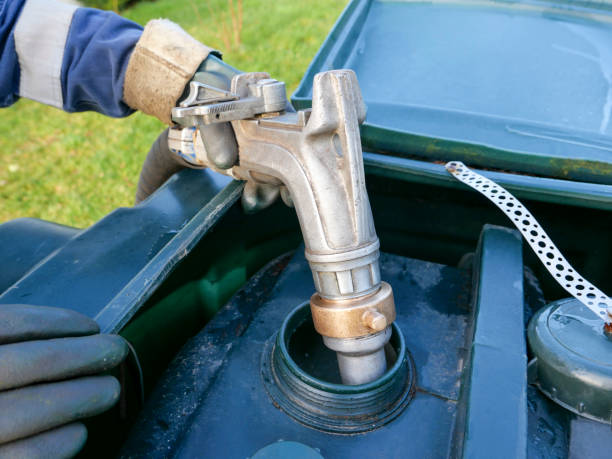
Regardless of which oil is chosen, proper storage is vital. Most heating oil users in the UK rely on above-ground or underground tanks, which must comply with safety and environmental regulations. Tanks should be inspected regularly for leaks, corrosion, or contamination. Premium fuels often include stabilisers to prolong storage life, but good tank maintenance remains essential. Scheduled boiler servicing also ensures fuels burn efficiently, maximising value and safety.
Working with Trusted Suppliers
The supplier chosen can be just as important as the fuel itself. Reliable heating oil suppliers provide guidance on which type of oil suits a particular system, offer flexible delivery options, and maintain transparent pricing. Many also support emergency deliveries during winter, preventing families from running out of fuel in the coldest months. With renewable options gaining traction, suppliers are increasingly acting as advisors, helping households and businesses transition to greener fuels when ready.
The Future of Heating Oils in the UK
The landscape of heating oil in the UK is changing rapidly. While traditional kerosene and gas oil continue to dominate, renewable fuels are steadily carving out a space in the market. As climate targets tighten and technology advances, fuels like HVO and bio-kerosene are likely to become mainstream. In the years ahead, heating oil will not only be about keeping warm but also about reducing environmental impact and embracing sustainable solutions.
Conclusion: Matching Needs with Fuel Types
The UK heating oil market offers a diverse range of options, from traditional kerosene to modern renewables. Each fuel type has its own advantages—kerosene for affordability, premium kerosene for efficiency, gas oil for heavy-duty use, and HVO for sustainability. By understanding these differences and working with reputable suppliers, consumers can choose the fuel that best meets their needs today while preparing for a cleaner, greener tomorrow.