
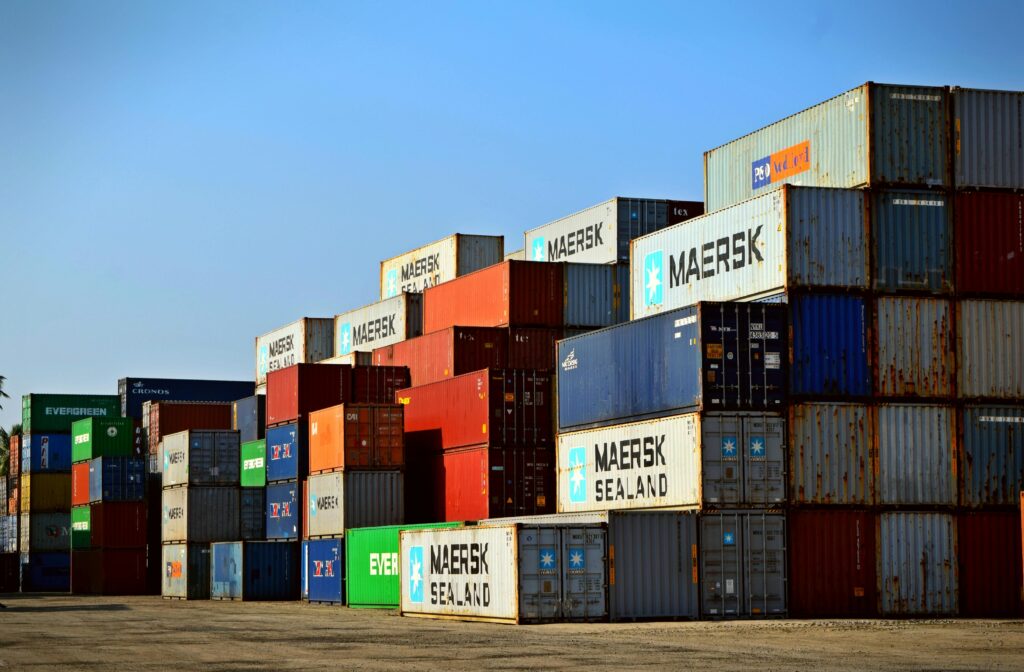
Shipping containers have become far more than just steel boxes used to transport goods across oceans. Today, they play a vital role in global trade, storage solutions, construction projects, and even modern housing designs. Whether you are a business owner, contractor, or individual buyer, understanding shipping containers can help you make smarter, more cost-effective decisions.
This guide covers everything you need to know about shipping containers, including types, sizes, uses, materials, pricing factors, and how to choose the right one for your needs.
What Are Shipping Containers?
Shipping containers are large, standardized steel units designed to transport cargo safely by sea, rail, and road. They are built to withstand extreme weather, heavy loads, and long-distance travel while protecting goods from damage and theft.
Because of their durability and uniform dimensions, shipping containers are now widely repurposed for storage, offices, pop-up shops, homes, and industrial applications.
Common Types of Shipping Containers
Understanding container types is essential before making a purchase or rental decision.
Standard Dry Containers
These are the most common containers used worldwide. They are fully enclosed, weatherproof, and ideal for transporting or storing dry goods such as electronics, furniture, and machinery.
High Cube Containers
High cube containers are similar to standard containers but offer extra height, making them perfect for taller cargo or conversions that require more headroom.
Refrigerated Containers (Reefers)
Reefer containers are temperature-controlled units used for perishable goods like food, pharmaceuticals, and flowers. They maintain consistent internal temperatures regardless of external conditions.
Open Top Containers
These containers have removable roofs, allowing cargo to be loaded from the top. They are commonly used for oversized or heavy items that cannot fit through standard container doors.
Flat Rack Containers
Flat racks have open sides and are designed for transporting large, heavy, or awkwardly shaped items such as vehicles or construction equipment.
Standard Shipping Container Sizes
Shipping containers come in standardized dimensions, which simplifies logistics and planning.
The most popular size is the 20-foot container, offering a good balance between storage capacity and portability. The 40-foot container provides double the space and is ideal for large-scale storage or shipping needs. High cube versions add extra vertical space, which is especially useful for modifications and conversions.
Knowing the correct size helps prevent overpaying or underestimating your space requirements.
What Are Shipping Containers Made Of?
Most shipping containers are made from Corten steel, a weather-resistant alloy designed to resist corrosion. This material forms a protective layer when exposed to the elements, making containers extremely durable and long-lasting.
Container floors are typically constructed from marine-grade plywood, which is strong enough to support heavy loads and resistant to moisture.
Popular Uses of Shipping Containers
Shipping containers are incredibly versatile, which is why demand continues to grow across industries.
Storage Solutions
Businesses and homeowners use containers for secure on-site storage of tools, equipment, and inventory.
Construction and Industrial Use
Containers are commonly used on construction sites as storage units, offices, or workshops.
Modular Buildings
Shipping containers are increasingly used to build offices, homes, cafes, and retail spaces due to their strength and modular design.
Emergency and Temporary Housing
Their portability makes containers ideal for disaster relief housing and temporary shelters.
New vs Used Shipping Containers
Choosing between new and used containers depends on your budget and intended use.
New containers (often called “one-trip containers”) are in near-perfect condition and ideal for conversions or long-term use. Used containers are more affordable and suitable for storage or shipping where cosmetic appearance is less important.
Inspecting used containers for rust, door seals, and structural integrity is crucial before purchasing.
Pricing Factors to Consider
Shipping container prices vary based on several factors:
- Container size and type
- New or used condition
- Location and delivery distance
- Market demand and availability
Local supply can significantly impact pricing, which is why many buyers search for Shipping containers near me to reduce transportation costs and speed up delivery.
How to Choose the Right Shipping Container
Before purchasing or renting, consider the following:
- Intended use (storage, shipping, conversion)
- Required size and height
- Budget and condition preferences
- Delivery access at your location
Taking time to evaluate these factors ensures you get the best value and avoid unnecessary expenses.
Maintenance and Longevity
With proper care, shipping containers can last for decades. Regular inspections, rust treatment, repainting, and ensuring proper drainage can significantly extend their lifespan.
For containers used in conversions, insulation and ventilation also play a major role in maintaining comfort and preventing moisture buildup.
Why Shipping Containers Are a Smart Investment
Shipping containers offer durability, flexibility, and cost-efficiency. Their ability to be reused and repurposed makes them an environmentally friendly option for storage and construction projects alike.
Whether you are expanding a business, securing equipment, or starting a creative build, shipping containers provide a reliable and scalable solution.
Companies like Fortress Containers have helped make shipping containers more accessible to buyers looking for dependable solutions without unnecessary complexity.
Final Thoughts
Shipping containers are no longer limited to ports and cargo ships. They have evolved into practical, versatile assets used across multiple industries. By understanding container types, sizes, materials, and pricing factors, you can confidently choose the right container for your specific needs.
With proper planning and maintenance, a shipping container can be a long-term investment that delivers exceptional value for years to come.