
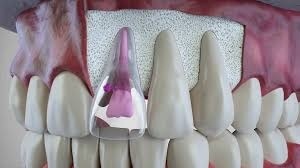
Dental health is more than just brushing and flossing; sometimes, hidden problems like Dental Internal Resorption can silently damage teeth. This condition occurs when the inner layers of a tooth start breaking down, often without pain. Early detection is key to saving your natural teeth and avoiding complex treatments. Understanding the signs, causes, and preventive steps can make a world of difference in maintaining long-term oral health.
Understanding the Condition
Dental Internal Resorption is not commonly discussed, yet it can affect anyone. The resorption process gradually erodes the dentin from inside the tooth. Patients may not notice symptoms initially, which is why routine dental check-ups are crucial. Left untreated, it can weaken the tooth structure, potentially leading to fractures or even tooth loss.
Causes of Internal Resorption
Trauma, infection, and chronic inflammation are leading contributors. Dental injuries often trigger the resorptive process. Even minor cracks can start internal resorption, emphasizing the need for timely intervention.
Early Warning Signs
Discoloration, mild discomfort, and unusual sensitivity are common indicators. Sometimes, dentists may detect it through X-rays before visible symptoms appear. Early detection significantly improves treatment success rates.
Who is at Risk?
Children and adults alike can experience this condition, especially if there’s a history of dental trauma. Teeth with large restorations or untreated cavities are also more susceptible. Awareness and routine dental visits are critical for early diagnosis.
Seeking Professional Guidance
Proper care and accurate diagnosis are essential for managing Dental Internal Resorption. When facing unusual dental changes, consulting a specialist is always recommended. Dental Advice Today emphasizes the importance of professional evaluation to prevent complications and ensure effective treatment options.
Diagnostic Procedures
Dentists use X-rays, cone-beam scans, and sometimes pulp tests to evaluate the extent of resorption. These diagnostic tools help create a precise treatment plan tailored to each patient.
Treatment Options
Treatment varies depending on severity. Mild cases may be monitored or treated with root canal therapy, while advanced damage could require restoration or extraction. Early intervention always improves prognosis.
Importance of Timely Care
Delaying treatment increases the risk of tooth loss. Proactive management not only saves teeth but also reduces overall dental expenses. Regular dental checkups are the first step toward timely care.
Preventive Measures and Maintenance
Prevention plays a key role in maintaining healthy teeth and avoiding Dental Internal Resorption. While not all cases are preventable, reducing risk factors and maintaining proper oral hygiene is essential.
Daily Oral Care
Brushing twice daily, flossing, and using fluoride toothpaste help protect teeth from cavities and infections, indirectly lowering resorption risks. A consistent routine can prevent complications before they start.
Lifestyle Factors
Dietary choices, avoiding trauma, and protective gear during sports can reduce the likelihood of dental injuries. Minimizing sugar intake also prevents tooth decay, a potential trigger for internal resorption.
Regular Dental Visits
Frequent checkups allow early detection of subtle changes in tooth structure. Dentists can monitor teeth at risk, offering interventions before damage escalates. Prevention combined with early detection is the ultimate safeguard.
FAQs
Q1: Can Dental Internal Resorption be reversed?
A1: Unfortunately, the process cannot reverse itself naturally. However, early detection allows treatments like root canal therapy to halt progression and preserve the tooth.
Q2: How do I know if my tooth is affected?
A2: Symptoms can be subtle, including mild discoloration or sensitivity. Regular dental X-rays are the most reliable way to detect internal resorption early.
Q3: Is treatment painful?
A3: Modern dental procedures are generally pain-free with local anesthesia. Most patients experience minimal discomfort during or after treatment.
Conclusion
Detecting Dental Internal Resorption early is essential to maintain your natural teeth and avoid complex procedures. Awareness of the signs, coupled with professional guidance from trusted sources like Dental Advice Today, can prevent unnecessary damage and costs. Maintaining routine checkups, proper oral hygiene, and lifestyle adjustments ensures long-term dental health. Your smile deserves proactive care—don’t wait until the damage is irreversible.