
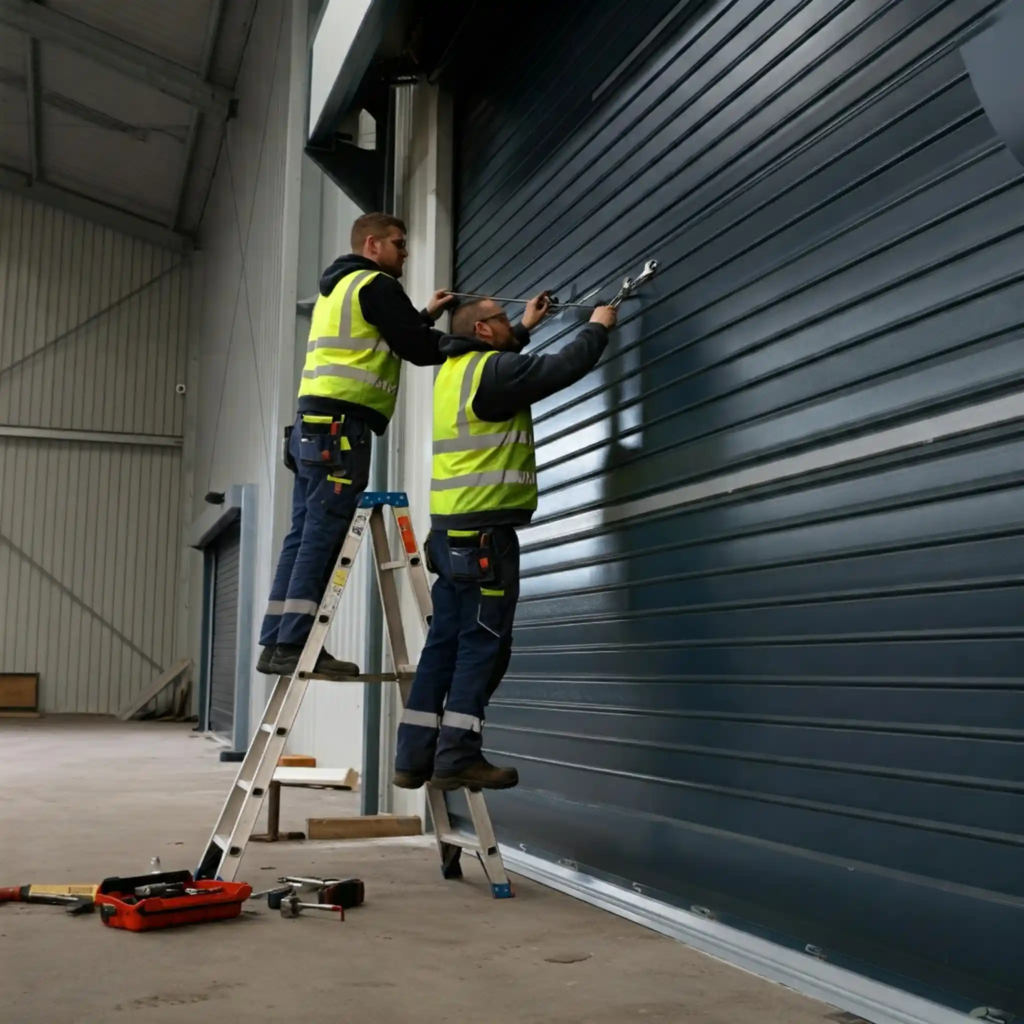
Shutters, whether installed in commercial or residential properties, serve as crucial protective barriers. They offer safety, privacy, insulation, and even aesthetic value. Over time, however, even the most durable shutters are prone to wear and tear due to weather, usage, accidents, or mechanical issues. When this happens, shutter repair becomes essential to restore their functionality and security.
In this comprehensive article, we’ll explore everything you need to know about shutter repair—from the types of shutters and common issues to signs you need repairs, the repair process, maintenance tips, and the importance of hiring professionals.
1. Understanding Different Types of Shutters
Before diving into shutter repair, it’s important to understand the different types of shutters commonly installed in homes and businesses. Each type may face different kinds of issues and require specific repair methods.
1.1. Roller Shutters
These are commonly used for commercial shopfronts, garages, and warehouses. They roll up and down vertically and are known for their durability and ease of use.
1.2. Security Shutters
Specifically designed to prevent break-ins and vandalism, security shutters are reinforced and often made of heavy-duty steel or aluminum.
1.3. Fire-Rated Shutters
Installed in commercial and industrial premises, fire-rated shutters are designed to slow down the spread of fire.
1.4. Grille Shutters
These shutters allow visibility and airflow while still offering security. Common in retail spaces, they’re often used when display visibility after hours is important.
1.5. Manual and Electric Shutters
Manual shutters operate via a crank or chain, while electric shutters use motors for remote or switch operation.
2. Common Shutter Problems
Shutters are mechanical systems, and over time, issues can develop. The following are some of the most common problems property owners face:
2.1. Jamming or Sticking
Shutters may refuse to open or close properly due to misalignment, obstructions, or internal wear.
2.2. Motor Failure
For electric shutters, motor burnout or power supply issues can render the shutter non-functional.
2.3. Damaged Slats or Panels
Bent or broken slats not only look bad but also compromise the shutter’s ability to offer full protection.
2.4. Broken Tracks or Misalignment
Tracks can become bent or obstructed, leading to irregular movement and noise.
2.5. Worn-out Springs or Chains
Springs and chains play a crucial role in shutter operation. Wear or breakage can cause shutters to sag or become inoperable.
2.6. Control System Malfunctions
Remote controls or wall switches can stop working due to wiring faults or battery issues.
3. Signs That Your Shutters Need Repair
Knowing when your shutters need repair is essential to avoid bigger problems and costs down the line. Look out for these signs:
- Strange Noises: Grinding, scraping, or squeaking sounds during operation.
- Slow Movement: If the shutter opens or closes sluggishly, there might be motor or track issues.
- Visible Damage: Dents, rust, or corrosion.
- Manual Struggles: Hard to operate by hand or crank.
- Non-Responsive Controls: Electric shutters not responding to the switch or remote.
4. The Shutter Repair Process
The repair process can vary depending on the shutter type and the issue. Here’s a general overview of what a professional shutter repair involves:
4.1. Inspection and Diagnosis
A thorough check is performed to assess the mechanical, electrical, and structural components of the shutter.
4.2. Disassembly (if needed)
Certain repairs require disassembling parts of the shutter to access damaged components like springs or motors.
4.3. Component Replacement or Repair
Broken slats, gears, motors, or tracks are either repaired or replaced.
4.4. Realignment and Lubrication
Misaligned shutters are corrected, and all moving parts are cleaned and lubricated for smooth operation.
4.5. Electrical Testing (for electric shutters)
Wiring, controls, and the motor are tested and repaired as necessary.
4.6. Reassembly and Testing
After repairs, the shutter is reassembled and tested multiple times to ensure proper function.
5. DIY vs. Professional Shutter Repair
While some minor maintenance tasks can be done by homeowners or staff, most repairs should be left to trained professionals.
5.1. DIY Repairs
You might consider DIY for:
- Cleaning tracks and removing obstructions.
- Lubricating moving parts.
- Tightening loose screws or bolts.
However, deeper issues involving motors, springs, or alignment require expertise.
5.2. Why Hire a Professional?
- Safety: Shutters can be heavy and contain high-tension springs.
- Efficiency: Professionals can quickly diagnose and fix issues.
- Warranty Protection: Attempting repairs yourself may void warranties.
- Long-Term Value: Professional repairs can extend shutter life and improve functionality.
6. Preventative Maintenance Tips
Proper maintenance can significantly reduce the chances of breakdowns and extend the lifespan of your shutters.
6.1. Regular Cleaning
Dust and dirt buildup in tracks can hinder movement. Regular cleaning ensures smooth operation.
6.2. Lubrication
Use silicone spray or other recommended lubricants on rollers, tracks, and hinges.
6.3. Frequent Inspection
Check for visible damage, misalignment, and strange noises regularly.
6.4. Test Controls
Ensure electric controls and remotes are functioning properly.
6.5. Schedule Annual Servicing
Have a professional inspect and service your shutters at least once a year.
7. Benefits of Timely Shutter Repair
Ignoring shutter issues can lead to higher costs or even complete shutter failure. Timely repairs offer several benefits:
- Security Restoration: Fully functional shutters protect against theft and vandalism.
- Safety: Prevent accidents caused by falling slats or malfunctioning parts.
- Compliance: Some industries have safety regulations regarding shutters.
- Aesthetic Appeal: Repaired shutters look better and enhance property appearance.
- Energy Efficiency: Properly sealed shutters help maintain indoor temperatures.
8. Choosing the Right Shutter Repair Company
When selecting a company for shutter repair, consider the following:
8.1. Experience and Expertise
Look for companies with several years of experience in repairing your specific shutter type.
8.2. Emergency Services
Choose a company offering 24/7 emergency shutter repair, especially if you rely on shutters for business security.
8.3. Customer Reviews
Check testimonials, online ratings, and references.
8.4. Certifications and Insurance
Make sure the company is licensed, certified, and insured.
8.5. Comprehensive Service
Opt for a provider that offers inspection, maintenance, and repair.
9. When to Consider Shutter Replacement Instead of Repair
Sometimes, repair might not be the most cost-effective or long-term solution. Consider full shutter replacement if:
- Repairs are needed frequently.
- The shutter is more than 15–20 years old.
- Major components like the motor or tracks are extensively damaged.
- The repair cost exceeds 50% of the cost of a new shutter.
10. Final Thoughts
Shutters are an essential component of property security, safety, and functionality. Regular maintenance and prompt repairs not only save money in the long run but also prevent unexpected breakdowns. Whether you’re dealing with roller shutters, security grilles, or electric systems, always rely on professional shutter repair services to restore optimal performance.