
Synthetic fertilizers play a crucial role in modern agriculture, helping farmers achieve higher yields and meet the food demands of a growing global population. However, behind their effectiveness lies a complex industrial process that often depends on non-renewable resources. One of the most frequently asked questions in this context is whether petroleum products are used in synthetic fertilizer production. The answer is yes—both directly and indirectly—and understanding this relationship is essential for evaluating the sustainability of modern farming systems – toko belerang.
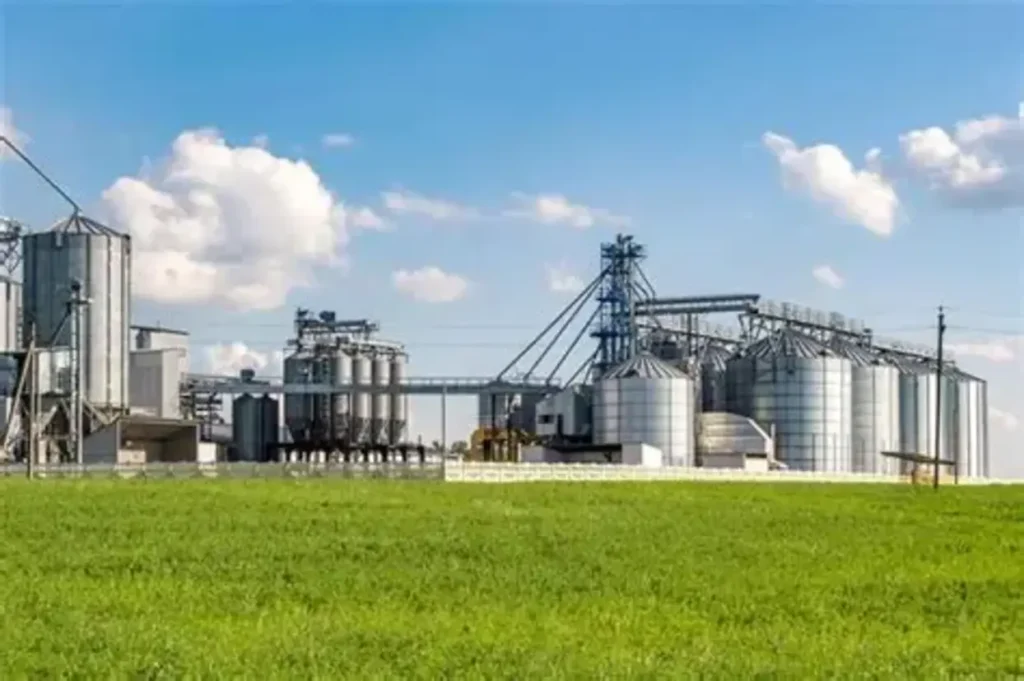
The Basics of Synthetic Fertilizers
Synthetic fertilizers are chemically manufactured substances designed to provide essential nutrients to plants, primarily nitrogen (N), phosphorus (P), and potassium (K). Among these, nitrogen-based fertilizers are the most widely used and also the most energy-intensive to produce. Common forms include ammonia, urea, ammonium nitrate, and ammonium sulfate.
The production of these fertilizers involves chemical processes that require significant energy input and raw materials. This is where petroleum products and other fossil fuels come into play.
The Role of Natural Gas and Petroleum
Although natural gas is the primary fossil fuel used in fertilizer production, petroleum products also play an important supporting role. Natural gas is mainly used as a feedstock and energy source in the Haber-Bosch process, which synthesizes ammonia by combining nitrogen from the air with hydrogen.
Hydrogen is typically derived from natural gas through a process called steam methane reforming. However, in regions where natural gas is less accessible, petroleum-based products such as naphtha or fuel oil can be used as alternative feedstocks to produce hydrogen. This means that petroleum products can directly contribute to the creation of ammonia, the building block of most nitrogen fertilizers.
In addition to serving as feedstocks, petroleum products are also widely used as energy sources. The production process requires high temperatures and pressures, which are often achieved by burning fossil fuels, including petroleum derivatives.
Petroleum in Fertilizer Manufacturing Processes
There are several stages in synthetic fertilizer production where petroleum products are involved:
Feedstock Substitution
In some industrial settings, especially in developing regions, petroleum derivatives like naphtha are used instead of natural gas to generate hydrogen. This makes petroleum a direct raw material in fertilizer production.
Energy Supply
Petroleum-based fuels such as diesel and fuel oil are commonly used to power machinery, generate heat, and maintain the high-pressure environments required for chemical synthesis.
Transportation and Distribution
Beyond manufacturing, petroleum products are essential for transporting raw materials and finished fertilizers. Trucks, ships, and trains rely heavily on diesel and other fuels, adding to the overall petroleum footprint of synthetic fertilizers.
Packaging Materials
Many fertilizers are packaged in plastic bags, which are derived from petrochemicals. While this is a secondary use, it still contributes to the overall reliance on petroleum.
Environmental Implications
The use of petroleum products in fertilizer production has significant environmental consequences. First, the extraction and combustion of fossil fuels contribute to greenhouse gas emissions, particularly carbon dioxide (CO₂). The fertilizer industry is one of the largest industrial sources of emissions globally.
Second, the energy-intensive nature of the production process increases the carbon footprint of agriculture. Farmers using synthetic fertilizers are indirectly contributing to fossil fuel consumption, even if they are not aware of it.
Third, reliance on petroleum and other fossil fuels makes fertilizer production vulnerable to price fluctuations in the energy market. When oil prices rise, the cost of fertilizer production often increases as well, affecting farmers and food prices worldwide.
Moving Toward Sustainable Alternatives
Recognizing the environmental impact of fossil fuel dependency, researchers and industry leaders are exploring more sustainable alternatives. One promising approach is the use of renewable energy sources, such as wind or solar power, to produce “green ammonia.” In this process, hydrogen is generated through water electrolysis powered by renewable electricity instead of fossil fuels.
Another strategy involves improving energy efficiency in existing production plants. Advanced technologies and better process control can reduce the amount of fuel needed, thereby lowering emissions.
Additionally, organic fertilizers and bio-based alternatives are gaining popularity. While they may not fully replace synthetic fertilizers, they can reduce the overall demand and lessen dependence on petroleum-based inputs.
Economic and Global Considerations
The connection between petroleum products and fertilizer production also has economic and geopolitical implications. Countries rich in fossil fuel resources often have a competitive advantage in fertilizer manufacturing. Conversely, nations that rely on imported energy may face higher production costs.
This dependency can influence global trade patterns and agricultural productivity. In times of energy crises or supply disruptions, fertilizer availability can become a major concern, potentially leading to reduced crop yields and food shortages.
Conclusion
Petroleum products are indeed used in synthetic fertilizer production, both as alternative feedstocks and as essential energy sources. While natural gas remains the dominant input, petroleum derivatives play a significant role in supporting the manufacturing process, transportation, and packaging.
However, this reliance on fossil fuels raises important environmental and economic challenges. As the world moves toward more sustainable practices, reducing dependence on petroleum in fertilizer production will be a key priority. Innovations such as green ammonia and renewable energy integration offer promising pathways, but widespread adoption will require time, investment, and global cooperation.
Understanding the link between petroleum and synthetic fertilizers allows stakeholders—from farmers to policymakers—to make more informed decisions about the future of agriculture and resource management.