
When applying for car insurance in Louisville, you’ll likely be asked one important question: “How many miles do you drive per year?” While it might seem like a routine formality, your answer can significantly impact how much you pay.
Annual mileage is one of the key factors insurers use to calculate your premium — and for Louisville drivers, the implications can be surprisingly big. We will see here how annual mileage affects car insurance premiums
Why Car Mileage Matters to Insurance Companies
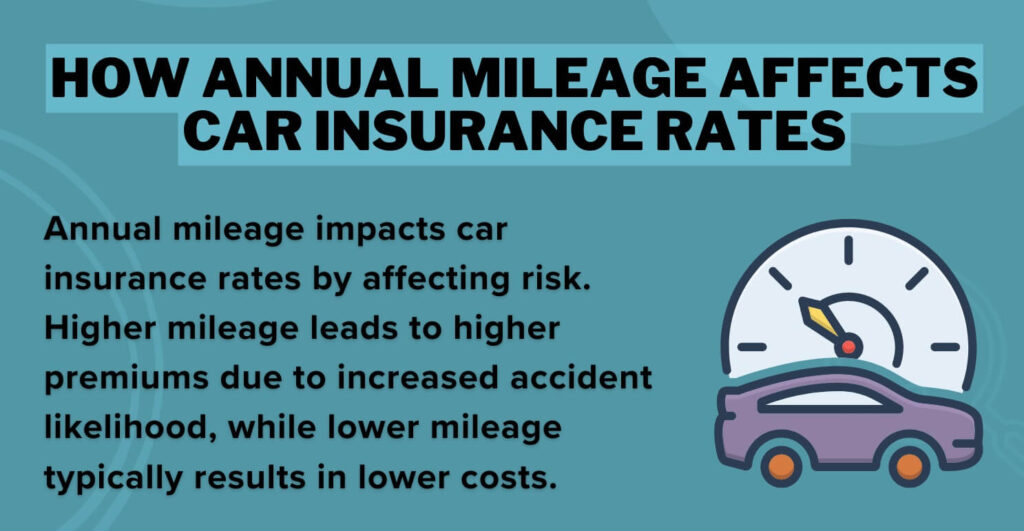
The logic is simple: the more time you spend on the road, the more risk you represent to your insurance provider. More miles driven per year means:
- Higher chance of being involved in an accident
- Greater wear and tear on your vehicle
- Increased likelihood of filing a claim
If you regularly commute from Louisville suburbs to downtown or rack up miles driving across Kentucky for work or school, you may see higher premiums compared to someone who drives infrequently.
How Annual Mileage Affects Car Insurance Premiums
Insurance providers often place drivers into categories based on estimated annual mileage:
- Low-mileage driver: Under 7,500 miles/year
- Average driver: 7,500 to 15,000 miles/year
- High-mileage driver: Over 15,000 miles/year
Drivers in the low-mileage category often receive discounts, especially if paired with safe driving records. On the flip side, those logging high miles may pay 15% to 25% more, depending on the insurer.
In a city like Louisville — where traffic congestion, highway miles, and seasonal road conditions vary — being classified correctly can make a noticeable difference in your premium.
How Insurance Companies Verify Your Mileage
Most companies still rely on self-disclosure, especially for online quotes. However, some insurers may:
- Ask for odometer readings during policy renewals
- Use telematics devices or mobile apps to track mileage
- Request vehicle inspection reports or service records
Being honest about your mileage is important — inaccurate information can lead to denied claims or policy cancellation.
Tips for Low-Mileage Louisville Drivers
If you drive less than the average Louisville resident, consider the following to lower your rates:
✅ Ask about low-mileage discounts
✅ Consider pay-per-mile insurance if you only drive occasionally
✅ Bundle policies or enroll in usage-based insurance programs
✅ Report updated mileage during renewals — especially if your habits changed
Whether you’ve switched to remote work, take public transit more often, or drive fewer miles for school, letting your insurer know can lead to real savings.
To find policies that reward accurate mileage reporting, start by comparing auto insurance quotes in Louisville, KY to see which providers offer discounts or flexible rate structures.
What If You Drive a Lot?
High-mileage drivers aren’t out of luck. You can still manage premiums by:
- Maintaining a clean driving record
- Driving a car with high safety and reliability ratings
- Choosing higher deductibles to lower monthly costs
- Enrolling in defensive driving courses for extra discounts
If your long commute is unavoidable, optimizing other factors in your policy can help offset the added cost.
Final Thoughts
Annual mileage is more than just a number — it’s a key signal insurers use to assess risk. Whether you’re clocking long commutes on I-64 or simply running errands around the Highlands, being transparent about your driving habits ensures you get fair, accurate pricing.
If your driving habits have changed, now’s the time to revisit your policy and explore fresh auto insurance quotes in Louisville, KY that reflect your true needs. A small disclosure could lead to big savings.