
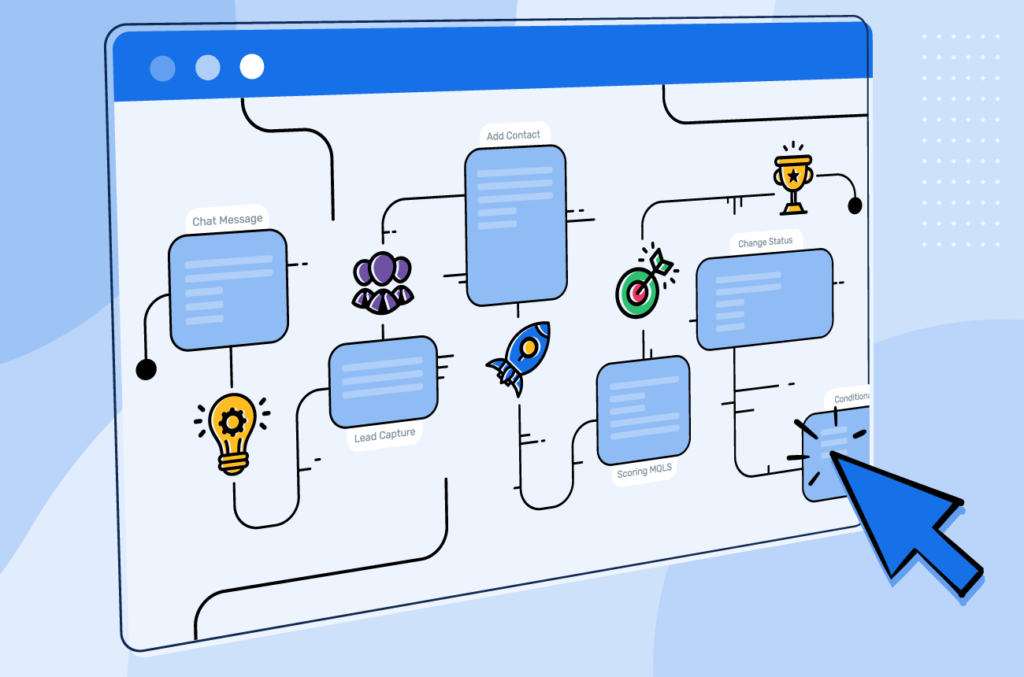
Enterprises today operate in complex environments where speed and efficiency determine success. Manual processes often slow down decision-making, increase costs, and limit growth. Business workflow automation provides a modern solution—enabling organizations to optimize tasks, eliminate repetitive work, and achieve scalable efficiency across departments.
Understanding Business Workflow Automation
Automation is not just about replacing manual steps—it’s about building intelligent, integrated processes. Business workflow automation empowers enterprises to streamline repetitive tasks, minimize errors, and free employees for higher-value activities. It integrates people, processes, and technology into a single efficient framework that adapts to organizational goals.
What Is Workflow Automation?
It refers to the use of digital tools and platforms to design, execute, and monitor processes with minimal human intervention.
The Shift from Manual to Automated Processes
Companies are replacing spreadsheets, paper trails, and emails with systems that provide real-time visibility and accuracy.
How It Works
Workflow automation platforms use triggers, rules, and integrations to guide processes from initiation to completion.
Why Enterprises Need Workflow Automation
Modern organizations face increasing competition, rising costs, and customer demands for speed. Workflow automation is no longer optional; it is critical for survival and growth.
Efficiency and Speed
Automation removes redundant tasks, reducing time spent on approvals, data entry, and routine operations.
Accuracy and Compliance
By standardizing processes, enterprises reduce the risk of human errors and stay compliant with industry regulations.
Cost Reduction
Automated workflows cut labor costs and reduce waste, improving bottom-line results.
Employee Productivity
Employees can focus on strategic, creative tasks instead of repetitive manual work.
Core Areas Where Workflow Automation Adds Value
Automation can be applied across multiple business domains, driving measurable improvements.
Human Resources
Automating onboarding, payroll, and leave management saves time and improves employee satisfaction.
Finance and Accounting
Invoice approvals, expense tracking, and compliance reporting become faster and more accurate.
Customer Support
Ticketing, escalation, and feedback collection are streamlined, improving customer experience.
Sales and Marketing
Lead nurturing, campaign tracking, and CRM updates run seamlessly without manual follow-ups.
IT and Operations
Automated system monitoring and troubleshooting reduce downtime and ensure business continuity.
Business Workflow Automation in Action
Enterprises across industries are using workflow automation to achieve measurable results.
Retail
Inventory management, procurement, and point-of-sale systems integrate seamlessly to avoid stockouts and delays.
Manufacturing
Production line monitoring and supply chain automation ensure consistent delivery and quality.
Healthcare
Scheduling, billing, and compliance reporting become more efficient, improving patient and provider experience.
Finance
Loan processing, fraud detection, and regulatory audits benefit from automation’s accuracy and speed.
Here, the true impact of business workflow automation is visible—it connects different functions under one ecosystem, ensuring every process works at maximum efficiency.
Benefits of Business Workflow Automation
Enterprises that implement workflow automation enjoy both short-term gains and long-term advantages.
Enhanced Collaboration
Teams across locations can work in sync with clear visibility of responsibilities.
Greater Transparency
Automated reporting ensures leaders can monitor progress and spot bottlenecks instantly.
Scalability
As businesses grow, workflows scale effortlessly without requiring additional manpower.
Better Customer Experience
Automation ensures faster responses, accurate communication, and consistent service delivery.
Data-Driven Decision Making
With real-time process analytics, managers can optimize strategies based on insights, not assumptions.
Future Trends in Workflow Automation
As enterprises embrace digital transformation, workflow automation will evolve into even more powerful solutions.
Artificial Intelligence
AI will enhance automation by predicting outcomes and optimizing workflows dynamically.
Robotic Process Automation (RPA)
Repetitive data-heavy tasks will increasingly be handled by bots with precision.
Cloud-Native Automation
Scalable, flexible cloud platforms will make automation accessible to enterprises of all sizes.
Low-Code/No-Code Platforms
Business users will design and deploy workflows without deep technical expertise.
Hyperautomation
Enterprises will combine AI, RPA, and analytics to automate end-to-end processes holistically.
Conclusion
Business workflow automation is more than a technology—it is a strategic enabler for enterprises seeking efficiency, cost savings, and resilience. By optimizing core operations, improving collaboration, and integrating smart technologies, enterprises can build agile systems ready for the future. Those who embrace automation today will define competitive success tomorrow.
FAQs
1. What is business workflow automation?
It is the use of technology to streamline, optimize, and monitor business processes with minimal manual intervention.
2. Which industries benefit most from workflow automation?
Every industry—from healthcare and finance to retail and manufacturing—can gain efficiency and productivity through workflow automation.
3. Does workflow automation reduce jobs?
No, it reduces repetitive tasks, allowing employees to focus on strategic, creative, and customer-facing roles.
4. How does automation help with compliance?
Automation ensures accurate documentation, audit trails, and standardized processes, reducing compliance risks.
5. What is the future of business workflow automation?
The future lies in AI-driven, cloud-native, and hyperautomation solutions that create smarter, faster, and more agile enterprises.