
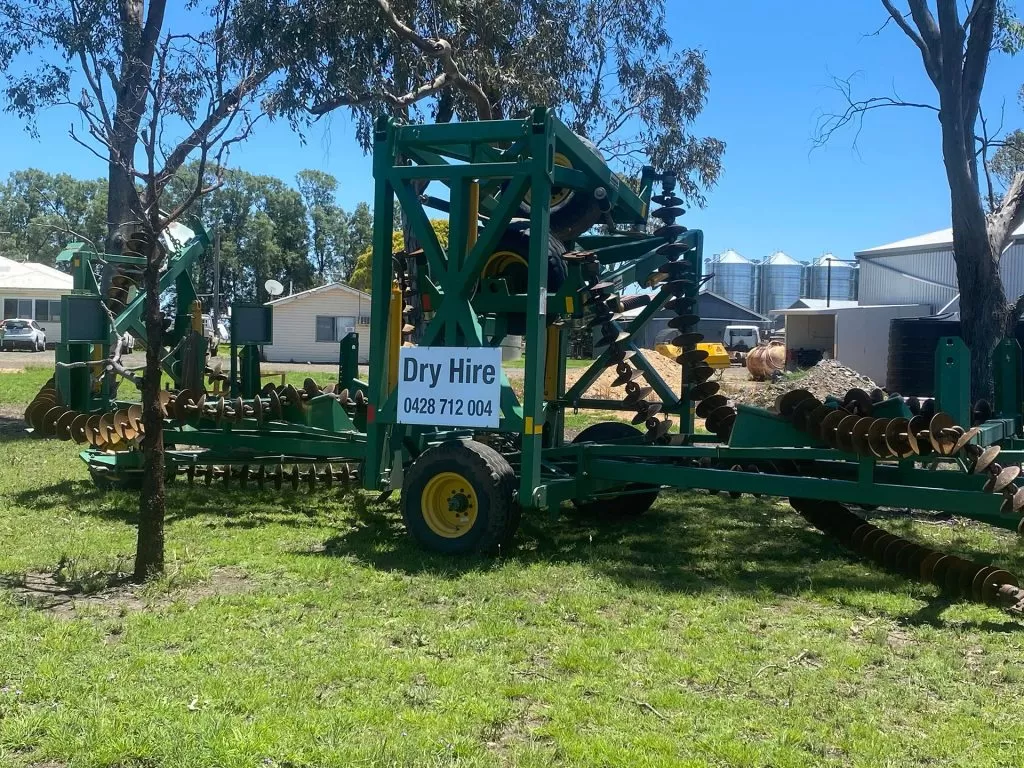
When planning a project that requires specialized equipment, understanding the nuances of rental options is crucial. One such term you’ll encounter is dry hire. In Australia, dry hire refers to renting equipment without an operator.
This means the hirer is responsible for providing qualified personnel to operate the machinery. It’s a common practice in industries like construction, events, and logistics.
For instance, in the construction sector, dry hire allows businesses to utilize machinery without the added cost of an operator, provided they have skilled staff available.
What Is Dry Hire?
What is Dry hire? Dry hire involves renting equipment or machinery without an operator. The renter is responsible for providing qualified personnel to operate the equipment and for any maintenance required during the rental period.
How Does Dry Hire Work?
- Equipment Selection: The renter chooses the necessary equipment or machinery.
- Rental Agreement: A contract outlines the terms of use, duration, and costs.
- Operational Responsibility: The renter provides qualified personnel to operate the equipment.
Industries That Use Dry Hire
- Construction: Hiring excavators, loaders, or cranes for site work.
- Events and Entertainment: Renting lighting, sound, or stage equipment for productions.
- Transportation: Leasing trucks, forklifts, or trailers for logistics operations.
- Agriculture: Renting tractors or farming machinery for seasonal work.
Benefits of Dry Hire
- Cost Efficiency: Without the added expense of an operator, dry hire can be more budget-friendly, especially for projects with a tight financial plan.
- Flexibility: You have the freedom to use your own operators, allowing for scheduling and operation adjustments as needed without coordinating with the rental company’s staff.
- Expert Control: Utilizing your own trained personnel means the equipment is operated by individuals familiar with the project’s specific needs and challenges.
Dry Hire vs. Wet Hire
| Aspect | Dry Hire | Wet Hire |
|---|---|---|
| Operator Included | No | Yes |
| Cost | Lower | Higher |
| Control | Greater control for the renter | Limited, as operators are provided |
| Best For | Businesses with skilled operators | Projects requiring turnkey solutions |
Legal and Insurance Considerations
- Rental Agreements: Clearly outline responsibilities for maintenance, operation, and damages.
- Insurance Coverage: Ensure adequate coverage for liability, damage, and theft.
- Licensing Requirements: Operators must have the necessary certifications or licenses.
Conclusion
Dry hire offers businesses the flexibility to manage their projects with greater control and potential cost savings. However, it requires a commitment to providing skilled operators and ensuring all legal and safety requirements are met.
Understanding the dynamics of dry hire can help you make informed decisions that align with your project’s needs and budget.