
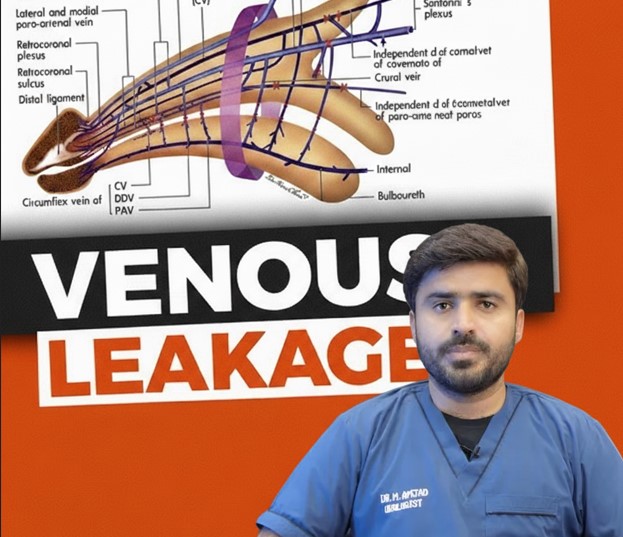
Erectile dysfunction (ED) is one of the most common sexual health issues affecting men worldwide. While there are multiple causes of ED, one specific and often overlooked condition is venous leak, also known as venogenic erectile dysfunction. Unlike other forms of erectile dysfunction that stem from poor blood inflow, venous leak involves the inability of the penis to retain blood during an erection, leading to weak or short-lived erections.
Venous leak can be emotionally and psychologically distressing. Men affected by this condition often experience anxiety, decreased self-confidence, and strained intimate relationships. Understanding venous leak, its underlying causes, diagnostic methods, and treatment options is essential for managing this condition effectively.
Understanding Venous Leak
To comprehend venous leak, it’s important to understand how a normal erection occurs.
How a Normal Erection Works
- Sexual arousal triggers nerve impulses from the brain and spinal cord.
- Blood flows into the penile arteries and fills the erectile tissue (corpora cavernosa).
- The veins compress, preventing blood from leaving the penis.
- The penis becomes rigid and maintains an erection suitable for sexual activity.
In venous leak, step 3 fails. The veins are unable to trap blood effectively, causing blood to flow back out of the penis too quickly. The result is an erection that may be weak, inconsistent, or lost prematurely.
Causes of Venous Leak
Venous leak is often multifactorial, involving a combination of structural, vascular, neurological, and lifestyle-related factors.
1. Structural Abnormalities of the Penis
Weakness in the connective tissue or tunica albuginea (the fibrous covering of the erectile tissue) can prevent proper blood retention. These abnormalities may be congenital or develop over time.
2. Age-Related Changes
As men age, the elasticity of penile tissue and veins decreases, which increases the risk of venous leak. Studies show men over 50 are more prone to this condition.
3. Trauma and Injury
Injuries to the pelvis, penis, or perineum can damage veins or the tunica albuginea, causing blood to escape prematurely during an erection. This includes sports injuries, accidents, or previous surgeries.
4. Diabetes
Chronic high blood sugar levels damage blood vessels and nerves, contributing to vascular erectile dysfunction, including venous leak.
5. Hypertension
High blood pressure affects the integrity of blood vessels, reducing their ability to trap blood during an erection.
6. Lifestyle Factors
- Smoking: Causes endothelial damage and reduces vascular elasticity.
- Obesity: Alters hormone balance and worsens cardiovascular health.
- Sedentary Lifestyle: Weakens pelvic floor muscles, which play a role in erectile rigidity.
7. Hormonal Imbalances
Low testosterone levels may weaken erectile tissue and affect the function of penile veins.
8. Peyronie’s Disease
The development of fibrous plaques in the penis can distort normal blood flow and prevent proper venous closure.
9. Congenital or Genetic Factors
Some men are born with abnormalities in penile veins that predispose them to venous leakage.
Symptoms of Venous Leak
Venous leak primarily affects the ability to maintain an erection, even if sexual desire and arousal remain normal. Common symptoms include:
- Erection that fades quickly after penetration
- Weak or inconsistent erections
- Difficulty achieving full rigidity
- Erection quality that varies depending on position or time of day
- Poor response to oral ED medications (e.g., PDE5 inhibitors like sildenafil or tadalafil)
- Anxiety and stress related to sexual performance
It is important to note that venous leak often manifests gradually. Men may initially notice that their erections are less firm or shorter-lasting than before.
Psychological and Emotional Impact
Erectile dysfunction caused by venous leak is not merely a physical issue. The emotional and psychological effects can be profound:
- Anxiety during sexual activity
- Depression due to ongoing sexual difficulties
- Reduced self-esteem and confidence
- Relationship tension and avoidance of intimacy
Addressing venous leak requires both physical treatment and psychological support for optimal outcomes.
Diagnosis of Venous Leak
Accurate diagnosis is essential because venous leak must be differentiated from other types of ED, including psychological causes or arterial insufficiency.
1. Medical History and Physical Examination
Doctors will assess:
- Duration and severity of ED
- Medical conditions (diabetes, hypertension, heart disease)
- Medication history
- Lifestyle factors (smoking, alcohol, exercise)
- Past injuries or surgeries
A physical examination evaluates penile anatomy, testicular health, and vascular function.
2. Penile Doppler Ultrasound
This imaging test measures blood flow into and out of the penis. It helps detect:
- Arterial insufficiency
- Venous leakage
- Plaque formation or fibrotic changes
3. Dynamic Infusion Cavernosometry and Cavernosography (DICC)
A specialized test in which saline or contrast is injected into the penis to measure erectile rigidity and venous leakage. DICC is considered the gold standard for diagnosing venogenic ED.
4. Nocturnal Penile Tumescence (NPT) Test
This test measures erections that occur during sleep. Normal nocturnal erections suggest a physical rather than psychological cause of ED.
5. Blood Tests
Hormonal evaluations (testosterone, prolactin) and metabolic markers (blood sugar, cholesterol) help identify contributing systemic conditions.
Treatment Options for Venous Leak
Treatment for venous leak depends on severity, underlying causes, age, and patient preferences.
1. Lifestyle Modifications
- Quit smoking
- Maintain a healthy weight
- Exercise regularly, focusing on cardiovascular and pelvic floor health
- Eat a balanced diet rich in fruits, vegetables, and whole grains
- Manage blood sugar, cholesterol, and blood pressure
These changes improve vascular health, which may enhance erectile function.
2. Oral Medications (PDE5 Inhibitors)
Drugs such as sildenafil (Viagra), tadalafil (Cialis), and vardenafil increase blood flow to the penis. While helpful in mild cases, they cannot fix the underlying venous leak, only temporarily improve erection quality.
3. Vacuum Erection Devices (VED)
A mechanical pump draws blood into the penis, and a constriction ring prevents outflow. VEDs are effective for men with venous leak, especially when oral medications fail.
4. Intracavernosal Injections
Medications like alprostadil or combination therapy are injected directly into the penile tissue. These produce a strong erection by increasing inflow and helping blood retention.
5. Penile Prosthesis
For severe or refractory cases, a surgical implant may be recommended. Prostheses can be inflatable or semi-rigid and provide reliable erections.
6. Venous Surgery
Surgical ligation of leaking veins can be performed in selected patients. However, results are variable, and the procedure is invasive.
7. Endovascular Embolization
A minimally invasive approach where abnormal veins are blocked using coils or medical adhesives under imaging guidance. This procedure is promising but not yet widely available.
Emerging Therapies
Shockwave Therapy
Low-intensity shockwaves stimulate new blood vessel formation and may improve venous leak function.
Stem Cell Therapy
Experimental therapy that regenerates damaged penile tissue and improves vascular function.
Platelet-Rich Plasma (PRP) Therapy
Growth factors from the patient’s blood are injected into the penis to enhance tissue repair. Clinical evidence is still limited.
Prognosis
Venous leak is generally manageable rather than fully curable, especially when caused by structural damage or aging. Early diagnosis and treatment significantly improve outcomes, including sexual performance and confidence.
Risk Factors
- Age over 40
- Diabetes or hypertension
- Smoking or alcohol use
- Sedentary lifestyle
- Previous pelvic trauma or surgery
- Low testosterone levels
- Psychological stress
When to See a Doctor
Seek medical advice if:
- Erectile difficulties persist for more than 3 months
- Oral medications fail
- Sexual problems affect relationships or mental health
- Penile pain or deformity is present
Early intervention increases the chance of effective treatment.
Living with Venous Leak
Men with venous leak can lead satisfying sexual lives with proper management. Strategies include:
- Open communication with partners
- Following treatment plans diligently
- Maintaining a healthy lifestyle
- Seeking psychological support if needed
Frequently Asked Questions (FAQs)
1. Can young men get venous leak?
Yes, particularly due to congenital venous abnormalities or trauma.
2. Is venous leak permanent?
It depends on severity and underlying causes. Mild cases may improve with lifestyle changes and treatment.
3. Does venous leak affect fertility?
No, it affects erectile function but does not impact sperm production.
4. Can stress cause venous leak?
Stress can worsen symptoms but is not the primary cause.
5. Is venous leak dangerous?
It is not life-threatening but can significantly impact quality of life and mental health.
Conclusion
Venous leak is a complex yet treatable cause of erectile dysfunction. Early recognition, accurate diagnosis, and a personalized treatment plan are essential to restoring sexual function and confidence. Advances in medical therapies, surgical options, and minimally invasive procedures offer hope for men affected by this condition.
Men experiencing persistent erectile difficulties should consult a qualified urologist or sexual health specialist. With appropriate care, most men with venous leak can regain satisfying sexual performance and improve overall quality of life.