
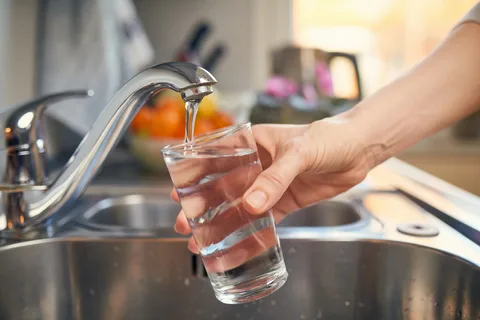
Water is one of the most vital elements in our daily lives, yet many households face the challenge of hard water. Hard water contains high levels of calcium and magnesium minerals, which can lead to several issues including scale buildup in pipes, reduced efficiency of household appliances, and even dry skin or dull hair after bathing. To overcome these issues, water softeners have become a popular solution. A water softener is a device specifically designed to treat hard water, making it more suitable for household use. But how exactly does the process of a water softener work? Let’s break it down step by step to fully understand its importance and functionality.
Why Many Households Prefer Salt-Free Options
Traditionally, salt-based water softeners have been the most common choice for treating hard water. However, in recent years, many homeowners are turning to Salt Free Water Softener Systems as a healthier and eco-friendlier alternative. Unlike conventional softeners, salt-free systems don’t add sodium into the water. Instead, they use a different process—known as Template Assisted Crystallization (TAC)—to condition the water. Instead of removing calcium and magnesium, they change the structure of these minerals so they cannot adhere to surfaces, preventing scale buildup. This makes salt-free systems an attractive option for those who are health-conscious or want to reduce salt discharge into the environment.
The Process of Traditional Water Softeners
To understand the entire concept of water softening, it’s helpful to look at the traditional salt-based process first. These systems primarily use a method called ion exchange. Here’s how it works:
- Mineral Removal Through Resin Beads
Inside a water softener, there is a tank filled with small resin beads made of polystyrene. These beads carry a negative charge, while calcium and magnesium—responsible for water hardness—carry positive charges. When hard water flows through the tank, the positively charged minerals are attracted to the resin beads, sticking to them and leaving the water softened. - The Role of Sodium or Potassium
In exchange for calcium and magnesium, sodium (or sometimes potassium) ions are released into the water. This is why softened water often contains a small amount of sodium. The softened water then flows out of the tank for use throughout the household. - Regeneration Cycle
Over time, the resin beads become saturated with calcium and magnesium ions. At this point, the water softener initiates a regeneration cycle. A highly concentrated brine solution (made from salt or potassium chloride) is flushed through the resin tank, washing away the trapped minerals and replenishing the beads with sodium or potassium ions. After this, the system is ready to soften water again.
Salt-Free Water Softeners: How They Differ
Unlike traditional systems, salt-free water softeners (more accurately called water conditioners) don’t use ion exchange. Instead, they use a physical process to alter the minerals. With Template Assisted Crystallization, the minerals in the water are converted into microscopic crystals. These crystals remain suspended in the water but don’t attach to pipes, appliances, or surfaces.
This means while the water still contains calcium and magnesium, it won’t cause scale buildup. It’s important to note that salt-free systems don’t make water “soft” in the traditional sense; instead, they condition it to minimize damage. The benefits include lower maintenance, no need for salt refills, and environmentally friendly operation.
Advantages of Using Water Softeners
Whether salt-based or salt-free, using a water softener system has many benefits:
- Protects Plumbing and Appliances: Prevents scale buildup, reducing repair and replacement costs.
- Improves Efficiency: Appliances like dishwashers and washing machines last longer and use less energy.
- Better Cleaning: Soft water allows soaps and detergents to lather better, leading to cleaner clothes and dishes.
- Skin and Hair Health: Many people report softer skin and shinier hair when using softened water.
- Eco-Friendly Options: With salt-free systems, there’s no salt discharge, making them better for the environment.
Choosing the Right Water Softener
When selecting a water softener, the decision depends on household needs. Traditional salt-based systems are ideal for homes with very hard water, as they physically remove calcium and magnesium. On the other hand, salt-free systems are perfect for those looking to avoid sodium intake, reduce maintenance, and protect the environment.
Factors to consider include water hardness level, household size, budget, and maintenance preferences. Consulting with a water treatment professional can help identify the best system for your home.
Conclusion
The process of a water softener, whether salt-based or salt-free, is a technological solution to a natural problem. Traditional systems use ion exchange and regeneration to remove minerals, while modern salt-free options condition water using crystallization. Both aim to protect homes from the damaging effects of hard water. By understanding how these systems work, homeowners can make informed decisions and enjoy the benefits of cleaner, safer, and more efficient water in their daily lives.