
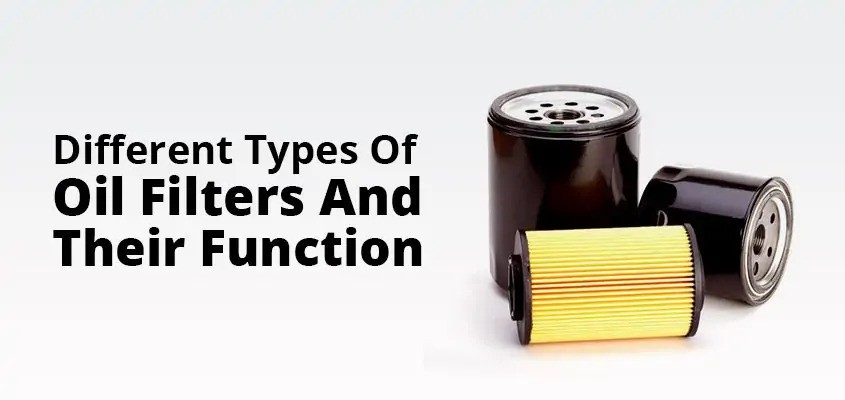
Oil filters may not be the flashiest component of a vehicle, but they play a crucial role in maintaining engine health. If you’ve ever done your own oil change or browsed the shelves at an auto parts store, you’ve probably seen a surprising number of oil filter types. Each one is designed with specific vehicles, environments, or performance needs in mind.
Whether you’re a DIY car enthusiast, a professional mechanic, or just someone trying to make more informed maintenance choices, understanding the different types of oil filters can help you prolong the life of your engine and avoid costly repairs.
In this article, we’ll break down the main types of oil filters, how they work, and which might be best for your application.
Why Oil Filters Matte
Before diving into types, it’s important to understand why oil filters are essential. The engine oil in your vehicle lubricates moving parts, reducing friction and carrying away heat. But as oil circulates, it also picks up contaminants like:
- Dirt and dust
- Metal shavings from engine wear
- Combustion byproducts
- Sludge and carbon buildup
Over time, these contaminants can degrade oil quality, cause premature wear, and even lead to engine failure. An oil filter traps these particles, keeping the oil clean and the engine running smoothly.
1. Full-Flow Oil Filters (Primary Oil Filters)
Best for: Most modern vehicles
How it works:
Also known as primary oil filters, full-flow oil filters are the most common type used in passenger cars and light trucks. They filter 100% of the motor oil as it circulates through the engine, ensuring that even at startup or during high flow conditions, no oil bypasses the filter.
Key features:
- Designed to work in cold conditions and with thick oil
- Often equipped with a bypass valve to allow oil flow even if the filter is clogged (to prevent engine starvation)
Pros:
- Essential protection for daily driving
- Effective for normal driving conditions
- Generally affordable
Cons:
- May let small particles pass through due to lower filtration media density (to maintain flow)
2. Secondary Oil Filters (Bypass Oil Filters)
Best for: Heavy-duty vehicles, performance engines, or long oil change intervals
How it works:
Bypass oil filters work in tandem with full-flow filters. They only filter a small portion (usually around 10%) of the engine oil at a time, but they do so at a much finer level. Their job isn’t to manage the full flow, but rather to remove ultra-fine contaminants that the primary filter might miss.
Key features:
- Designed to supplement, not replace, full-flow filters
- Ideal for high-mileage engines or engines under constant load
Pros:
- Provides superior filtration
- Extends oil life and reduces engine wear
Cons:
- More expensive
- Not necessary for all vehicles
- Requires more complex installation
3. Cartridge Oil Filters
Best for: Vehicles with environmentally friendly or OEM-specific oil systems
How it works:
Cartridge filters are element-only filters—meaning there’s no metal canister. Instead, they fit into a permanent housing on the engine. You only replace the internal filtering media during oil changes, making them a more sustainable option.
Key features:
- Typically visible and easier to inspect
- Eco-friendly due to less waste
- Requires careful installation to avoid leaks
Pros:
- Environmentally responsible
- May reduce oil change costs over time
- OEM-approved for many European and Asian vehicles
Cons:
- Messier to replace
- Can be confusing for beginners
- Needs proper alignment and sealing
4. Spin-On Oil Filters
Best for: Wide range of vehicles, especially older models
How it works:
This is the traditional style of oil filter—a metal canister with the filtration media inside and a built-in gasket. When replacing it, you remove and replace the entire unit. It’s simple, convenient, and still very common.
Key features:
- Includes both the housing and media
- Screws directly onto the engine block
Pros:
- Easy to replace
- Commonly available
- No need to handle internal filter components
Cons:
- Generates more waste than cartridge filters
- Quality can vary widely
5. Magnetic Oil Filters
Best for: High-performance or experimental applications
How it works:
Magnetic oil filters use magnets to trap metallic debris in the oil. Some filters combine standard filter media with magnetic inserts, while others rely entirely on magnetic attraction.
Key features:
- Effective against ferrous metals
- Often used in motorsports or experimental engines
Pros:
- Can catch particles too small for traditional filters
- Can extend engine life if paired with conventional filters
Cons:
- Doesn’t filter non-metallic debris
- Not a replacement for traditional filters
- May require frequent inspection
6. Thermal Chamber Oil Filters
Best for: Specialized or high-performance vehicles
How it works:
Thermal chamber filters heat the oil to a specific temperature to burn off impurities, especially water and fuel contaminants. These are rarely used in standard consumer vehicles but may appear in racing or aviation applications.
Key features:
- Increases oil temperature to evaporate impurities
- Often used in tandem with other filtration methods
Pros:
- Maintains cleaner oil in extreme environments
- Reduces moisture-related engine wear
Cons:
- Expensive and rare
- Overkill for most vehicles
How to Choose the Right Oil Filter
When selecting an oil filter, consider these key factors:
- Vehicle make and model: Always check your owner’s manual or OEM specifications.
- Driving conditions: Frequent towing, long commutes, or extreme climates may require more robust filters.
- Oil type: Synthetic oils often work best with high-capacity or extended-life filters.
- Budget vs. longevity: Spending more upfront can save on long-term engine repairs.
Signs Your Oil Filter Needs Replacing
Even the best oil filter won’t last forever. Here are signs it’s time to replace yours:
- Decreased oil pressure
- Noisy engine operation
- Dark, dirty oil
- Check engine light related to oil pressure
As a rule of thumb, change your oil filter with every oil change or as often as your manufacturer recommends.
Final Thoughts
Oil filters are one of the unsung heroes of engine health. They quietly do their job in the background, removing harmful particles and keeping your engine running smoothly. With so many different types of oil filters on the market—from full-flow and spin-on to cartridge and magnetic—it’s important to pick the one that matches your vehicle’s needs and your driving habits.
Whether you’re wrenching in your garage or maintaining a fleet of vehicles, a little knowledge about oil filter types goes a long way in protecting your investment.