
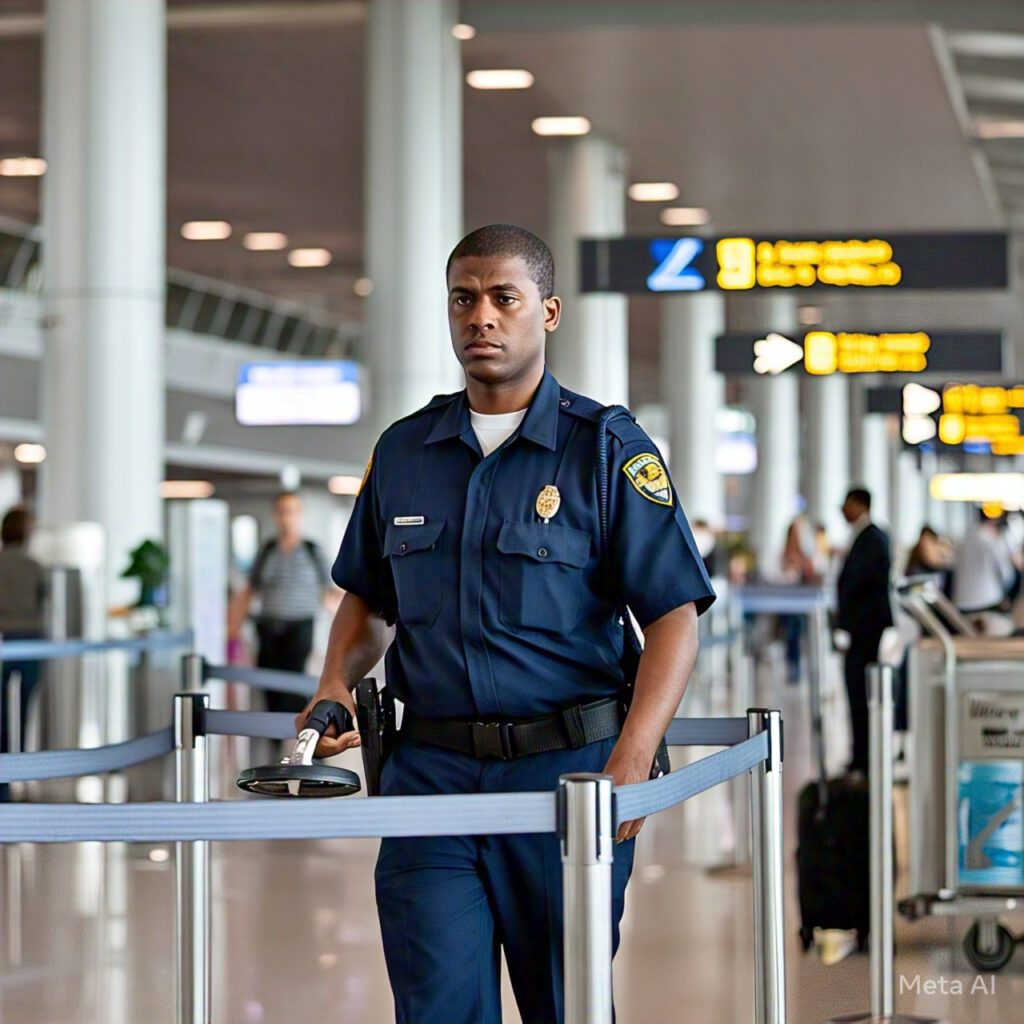
Introduction to Airport Security
Airports are high-traffic zones, making them sensitive to a wide range of security threats. From terrorism to theft and public disturbances, maintaining safety in such vast and complex environments is a major task. While technology plays a significant role, the human element remains irreplaceable. This is where airport security guards come into play. These professionals are not just about checking boarding passes—they are trained personnel responsible for preventing unauthorized access, ensuring crowd control, and responding to emergencies. Their presence alone can deter criminal activity, and their quick thinking can prevent chaos in case of sudden threats. Given the scale and importance of airports, relying solely on machines or surveillance systems is not enough. Trained human oversight offers a layer of protection that is essential for travelers, airline staff, and overall airport operations.
Why Human Presence Matters in Airport Security
Security guards provide a physical, immediate response to any situation, which technology alone cannot achieve. While cameras and alarm systems help in monitoring, they lack judgment and the ability to act in real time. For instance, if an unauthorized person attempts to enter a restricted area, a guard can intercept and address the situation within seconds. Additionally, guards can pick up on behavioral cues that machines might miss, such as nervous movements, suspicious items, or unusual body language. This human intuition is especially important in crowded terminals where risks can arise suddenly. Moreover, security guards offer reassurance to travelers. Seeing uniformed personnel stationed at entrances, baggage counters, and boarding gates creates a sense of safety. Their visibility reminds everyone that security is a top priority and that immediate help is available when needed.
Surveillance and Monitoring Responsibilities
Monitoring airport activities is a major part of a security guard’s job. Surveillance is not limited to looking at screens—it involves patrolling different zones, checking for unattended baggage, and identifying loiterers or suspicious groups. Guards are often trained to detect potential threats even before they escalate. Their job includes operating CCTV systems, observing crowd behavior, and maintaining situational awareness. Unlike passive monitoring tools, security guards can react instantly to anything out of place. Their ability to coordinate with airport security systems and other guards makes them a critical part of any emergency protocol. Surveillance also includes random inspections, walk-throughs, and checkpoint observations. Guards report any issues directly to airport authorities, helping keep security tight at all times. When integrated with technology, their observational skills drastically enhance the overall security system in place.
Access Control and Restricted Areas
Access control is crucial in any airport. With areas such as baggage handling, control towers, and boarding gates restricted to authorized personnel only, guards ensure that only the right people are entering these zones. This involves ID checks, verifying boarding passes, and sometimes using metal detectors. Guards must remain alert and follow standard protocols strictly to prevent breaches. Their role also includes escorting unauthorized individuals out of restricted zones and reporting violations. By doing so, they minimize the risk of internal sabotage or unintentional entry. In large international airports, the number of restricted zones can be quite high, and each one must be guarded carefully. Guards assigned to these tasks are usually among the most experienced, as they must make quick decisions while staying calm under pressure.
Crowd Management During Peak Hours
Airports often experience high foot traffic during holidays, flight delays, or emergency situations. This can quickly lead to chaos if not properly managed. Security guards play a crucial role in controlling and directing crowds to ensure safety and order. Whether it’s redirecting long queues, calming frustrated travelers, or managing boarding gates, their presence keeps things moving smoothly. Crowd management is especially important during emergency evacuations or flight cancellations. Guards ensure people follow procedures, prevent stampedes, and protect vulnerable individuals like children or the elderly. Their training in de-escalation tactics also comes in handy when dealing with angry or panicked passengers. Without trained personnel managing crowd behavior, the risk of accidents and delays increases dramatically.
Emergency Response and First Aid
When an emergency arises—whether it’s a medical issue, fire hazard, or suspicious package—security guards are usually the first on the scene. Their training often includes CPR, first aid, fire safety, and how to handle various emergency scenarios. Their swift response can save lives or prevent greater danger. They also play a key role in coordinating with medical teams, fire departments, and law enforcement. In some cases, guards evacuate terminals or secure affected areas before professionals arrive. A well-trained security guard knows how to assess the situation quickly, take control, and minimize panic. Their proactive role during emergencies helps maintain order and ensures public safety.
Supporting Law Enforcement Agencies
Airport security guards work in close collaboration with federal and local law enforcement agencies. They act as the first line of defense and gather vital information before turning incidents over to authorities. From detaining suspects to preserving evidence, their role supports larger investigations. This cooperation improves the overall security framework. Guards also act as communication bridges between airport authorities and police departments. They may assist in questioning individuals, providing surveillance footage, or relaying on-ground observations. Their reports often form the basis of deeper investigations, especially in cases involving smuggling, trafficking, or organized crime.
Preventing Theft and Vandalism
Theft and property damage are common problems in crowded areas like airports. Security guards actively patrol parking areas, waiting lounges, and retail shops to deter such incidents. Their watchful presence reduces opportunities for petty crime, such as luggage theft or vandalism. Guards also respond to alarms and investigate suspicious activity. Whether it’s an unattended suitcase or tampered equipment, their inspection can prevent larger issues. Surveillance combined with active patrolling creates a strong deterrent for would-be criminals. Guards make detailed logs of incidents, which helps in monitoring patterns and improving security protocols.
Enhancing Passenger Confidence and Experience
Security isn’t just about preventing threats—it’s also about ensuring passengers feel safe and confident. A friendly, alert guard answering questions, helping with directions, or offering support during stressful situations can significantly improve a traveler’s experience. This human interaction is invaluable, especially in large international terminals. When passengers see organized security staff, they’re more likely to cooperate with airport rules and protocols. This increases operational efficiency. Furthermore, the professional image of trained guards contributes to a positive public perception of airport security standards.
Security for VIPs and Sensitive Cargo
Many airports manage VIP travelers, government officials, or valuable cargo like medical supplies and electronics. These sensitive areas require an added layer of security. Specialized security guards are often assigned to accompany VIPs or oversee high-value shipments. They are trained in risk assessment, quick evacuation plans, and advanced surveillance. Escort duties for VIPs and safeguarding valuable cargo ensure smooth and secure operations. These guards follow strict confidentiality rules and understand the importance of discretion, especially when handling high-profile individuals or goods.
Role of Static Security Guards
Static guards are essential in airports because they monitor fixed locations like entrances, security checkpoints, or parking lots. Unlike mobile patrols, they maintain a constant presence, which is effective for deterrence and immediate response. Their focus is on consistency, vigilance, and maintaining protocols at all times. Hiring dedicated static guards through trusted services ensures 24/7 coverage and peace of mind. These guards undergo specific training to handle static duty without losing alertness. For airports, their role is crucial in places where long-term vigilance is necessary. For example, reliable static security guards help monitor restricted areas, terminals, and exits to prevent unauthorized access and maintain safety across the airport.
Training and Certifications for Airport Guards
Professional security guards at airports go through rigorous training before deployment. This includes modules on threat detection, behavioral analysis, communication skills, and emergency procedures. Some even receive specialized training in dealing with high-risk situations like bomb threats or chemical exposure. Certification ensures guards are updated with the latest protocols and technologies in the security sector. Reputable companies like Security Guard Services ensure their personnel are qualified and ready for deployment at sensitive locations like airports. These organizations invest in continuous training to meet ever-evolving airport security needs.
How Security Services Adapt to Modern Threats
Modern security threats include cyberattacks, drone interference, and coordinated attacks. Security companies constantly adapt their strategies and training to meet these evolving challenges. Guards are taught how to detect cyber vulnerabilities or respond to drone intrusions. Surveillance tools are upgraded regularly, and communication protocols are made more secure. This continuous improvement is necessary for keeping pace with the growing sophistication of security threats. Today’s airport guards are not just physical deterrents—they are trained to think critically and act swiftly in dynamic situations.
Conclusion: The Indispensable Role of Security Guards
Airport security guards play an indispensable role in keeping passengers, staff, and facilities safe. Their responsibilities are varied, from monitoring and surveillance to emergency response and access control. They complement technology with human judgment, making them a crucial part of modern airport infrastructure. With ongoing training and professional support, their presence ensures smooth and secure airport operations. Whether it’s dealing with emergencies or offering help to a lost traveler, guards contribute significantly to both security and service quality.
FAQs
1. What do airport security guards do?
They monitor, patrol, and ensure the safety of passengers, staff, and airport facilities.
2. Are airport security guards trained for emergencies?
Yes, they receive training in emergency response, first aid, and evacuation protocols.
3. How do guards control access to restricted zones?
They check IDs, verify passes, and use surveillance to prevent unauthorized entry.
4. Do security guards help in crowd control at airports?
Absolutely. They manage queues, direct traffic, and prevent overcrowding.
5. Are guards involved in VIP protection at airports?
Yes, some guards specialize in escorting VIPs and securing valuable cargo.
6. What makes static security guards important?
Their constant presence at fixed locations ensures consistent security and quick response.