
In today’s digital world, identity verification has become a critical component of security and fraud prevention. Businesses, financial institutions, and online platforms require robust solutions to verify users efficiently. Two of the most advanced technologies in this space are face verification and online fingerprint scanners. These biometric authentication methods enhance security while offering seamless user experiences.
What is Face Verification?
Face verification is a biometric authentication technique that uses facial recognition technology to verify an individual’s identity. This process involves capturing a person’s facial features, mapping key characteristics, and matching them against a stored template. Face verification is widely used in online banking, e-commerce, healthcare, and government services to ensure secure access and prevent identity fraud.
Benefits of Face Verification
- Enhanced Security – Face verification provides high-level security as each individual’s facial features are unique, making it difficult for fraudsters to impersonate others.
- Convenience – Users can authenticate their identities simply by looking at a camera, eliminating the need for complex passwords or PINs.
- Faster Transactions – Face verification speeds up the authentication process, reducing wait times for online services and mobile applications.
- Liveness Detection – Advanced AI algorithms can detect spoofing attempts, such as photos or videos, ensuring accurate and genuine verification.
What is an Online Fingerprint Scanner?
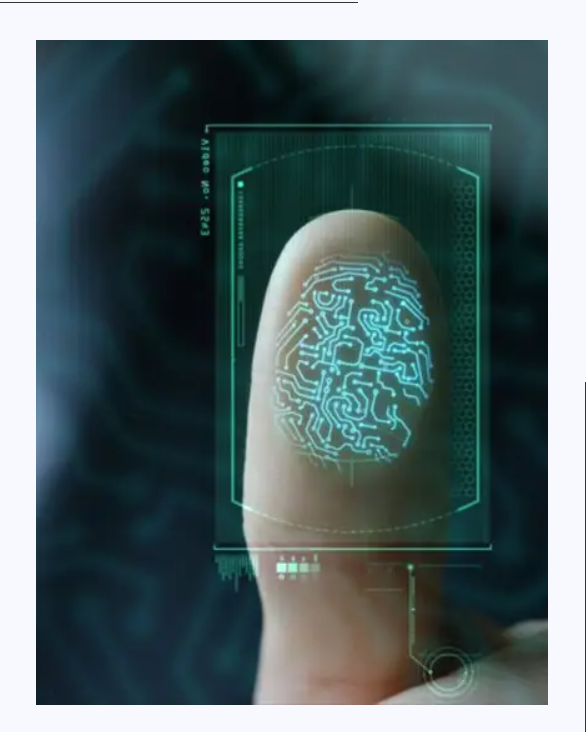
An online fingerprint scanner is a digital tool that captures and authenticates fingerprints over the internet. These scanners work using optical, capacitive, or ultrasonic sensors to detect fingerprint patterns and compare them with stored data. Online fingerprint scanning is commonly used in financial transactions, employee attendance systems, mobile applications, and access control solutions.
Advantages of Online Fingerprint Scanners
- High Accuracy – Fingerprint patterns are unique, providing a reliable and foolproof method of identity verification.
- Remote Authentication – Online fingerprint scanners allow users to verify their identities from any location, improving accessibility.
- Reduced Fraud Risk – Since fingerprints cannot be easily forged, they offer robust protection against identity theft and unauthorized access.
- Seamless Integration – Businesses can integrate fingerprint authentication with existing security systems for enhanced protection.
Face Verification vs. Online Fingerprint Scanner: Which is Better?
Both technologies offer secure and efficient identity verification, but their use cases may differ:
- Face verification is ideal for hands-free authentication and remote onboarding, making it suitable for online banking, healthcare, and e-commerce.
- Online fingerprint scanning is perfect for physical security systems, employee attendance tracking, and mobile payments.
Organizations can combine both methods for multi-factor authentication (MFA) to achieve the highest level of security.
Future of Biometric Authentication
With the rapid advancements in AI and machine learning, biometric verification is becoming more accurate and sophisticated. Face verification and online fingerprint scanning are expected to see widespread adoption in government services, banking, and smart devices. The future of digital security will rely on biometric-based authentication to reduce fraud risks while ensuring a seamless user experience.
Conclusion
Face verification and online fingerprint scanners are revolutionizing digital identity verification. These technologies provide secure, fast, and user-friendly authentication solutions for businesses and individuals. As security threats evolve, biometric authentication will continue to be a key player in safeguarding online transactions and digital identities. Businesses looking to enhance security and streamline user experiences should consider integrating these biometric solutions today.