
Chronic diseases are among the biggest challenges facing modern healthcare systems worldwide. Conditions such as diabetes, heart disease, hypertension, asthma, and chronic obstructive pulmonary disease require continuous care, long-term monitoring, and consistent patient engagement. Traditional healthcare models, which rely heavily on periodic in-person visits, often fall short in managing these conditions effectively. This gap has created a strong need for innovative care approaches that extend beyond hospital walls. One of the most impactful solutions addressing this challenge is remote patient monitoring.
By enabling continuous tracking of patient health data in real time, remote monitoring allows healthcare providers to manage chronic conditions more proactively and efficiently. Instead of reacting to complications after they occur, clinicians can identify early warning signs, adjust treatments, and support patients in their daily lives. As healthcare shifts toward value-based and patient-centered models, remote patient monitoring has become a critical tool for improving outcomes, reducing costs, and enhancing quality of life for individuals living with chronic diseases.
Understanding Chronic Disease Management in Modern Healthcare
Chronic disease management focuses on long-term care strategies rather than short-term treatment. Unlike acute conditions that resolve quickly, chronic illnesses require ongoing monitoring, medication management, lifestyle adjustments, and regular communication between patients and providers. Effective management aims to control symptoms, prevent complications, and maintain overall well-being.
Traditional approaches often struggle to provide continuous oversight due to limited clinical resources and patient access challenges. Missed appointments, delayed interventions, and lack of real-time data can lead to disease progression and avoidable hospitalizations. Remote patient monitoring addresses these gaps by creating a continuous feedback loop between patients and healthcare teams, enabling timely and informed care decisions.
What Is Remote Patient Monitoring in Chronic Care
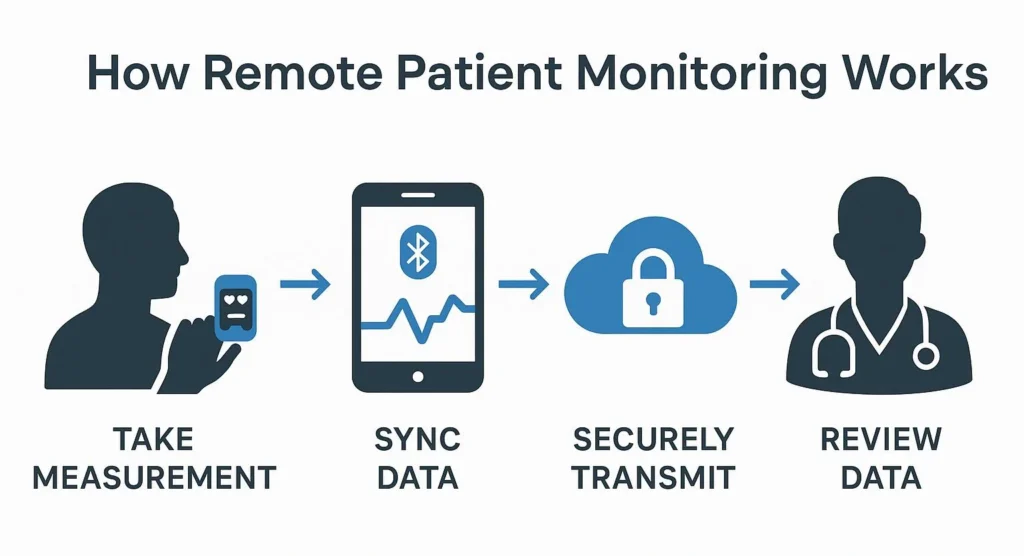
Remote patient monitoring is a digital health approach that uses connected medical devices and secure data platforms to collect and transmit patient health information from outside clinical settings. Patients use approved devices at home to measure vital signs or condition-specific indicators, which are then shared with healthcare providers for review and analysis.
In chronic disease management, this approach is especially valuable because it provides ongoing visibility into a patient’s condition. Instead of relying solely on occasional clinic visits, clinicians can track trends and patterns over time. Through remote patient monitoring, chronic care becomes more personalized, responsive, and data-driven.
Improving Early Detection of Health Deterioration
One of the most significant benefits of remote patient monitoring in chronic disease management is early detection of health changes. Chronic conditions often worsen gradually, with subtle symptoms appearing before serious complications develop. These early signs can easily be missed between scheduled appointments.
With continuous data collection, providers can identify abnormal trends and intervene promptly. For example, rising blood pressure or fluctuating glucose levels can signal the need for treatment adjustments. Remote patient monitoring enables timely interventions that prevent minor issues from escalating into emergencies.
Reducing Hospitalizations and Emergency Visits
Hospital admissions and emergency room visits are costly and often disruptive for patients with chronic diseases. Many of these visits are preventable with proper monitoring and early intervention. Remote patient monitoring plays a key role in reducing unnecessary hospital utilization.
By keeping clinicians informed about a patient’s condition in real time, potential problems can be addressed before hospitalization becomes necessary. This proactive approach improves patient stability and reduces strain on healthcare facilities. Over time, remote patient monitoring contributes to lower healthcare costs and better resource allocation.
Enhancing Medication Adherence and Treatment Effectiveness
Medication adherence is a major challenge in chronic disease management. Patients may forget doses, misunderstand instructions, or stop taking medications due to side effects or lack of perceived benefit. Poor adherence often leads to disease progression and complications.
Remote patient monitoring supports adherence by providing visibility into how patients respond to treatment. Clinicians can correlate medication use with changes in health data and address issues promptly. In some cases, reminders and digital feedback encourage patients to stay consistent with their care plans. Through remote patient monitoring, treatment becomes more effective and personalized.
Empowering Patients to Take Control of Their Health
Patient engagement is essential for successful chronic disease management. When patients actively participate in their care, they are more likely to follow treatment plans and make healthier lifestyle choices. Remote monitoring empowers patients by giving them access to their own health data.
Seeing real-time feedback helps patients understand how daily behaviors affect their condition. This awareness fosters accountability and motivation. With remote patient monitoring, patients become active partners in their care rather than passive recipients of treatment.
Supporting Personalized and Data-Driven Care Plans
Every patient experiences chronic illness differently. Factors such as lifestyle, environment, genetics, and comorbidities influence disease progression and treatment response. Personalized care plans are essential for effective management.
Remote patient monitoring provides continuous, real-world data that allows clinicians to tailor care strategies to individual needs. Instead of relying on occasional snapshots, providers gain a comprehensive view of patient health. This data-driven approach enhances precision and improves long-term outcomes through remote patient monitoring.
Improving Quality of Life for Chronic Patients
Living with a chronic disease can significantly impact a patient’s quality of life. Frequent clinic visits, uncertainty about health status, and fear of complications can cause stress and anxiety. Remote monitoring helps alleviate these burdens.
By enabling care from home, patients experience greater convenience and comfort. Knowing that their health is being closely monitored provides reassurance and peace of mind. As a result, remote patient monitoring supports not only physical health but also emotional well-being.
Enhancing Provider Efficiency and Care Coordination
Chronic disease management requires coordination among multiple healthcare professionals, including primary care providers, specialists, and care managers. Without efficient communication, care can become fragmented.
Remote patient monitoring improves coordination by centralizing patient data and making it accessible to authorized care teams. Providers can collaborate more effectively, prioritize high-risk patients, and streamline workflows. This enhanced efficiency allows healthcare teams to deliver better care with fewer resources through remote patient monitoring.
Supporting Long-Term Management of Common Chronic Conditions
Remote patient monitoring has proven particularly effective for managing common chronic conditions such as diabetes, cardiovascular disease, and respiratory disorders. Continuous tracking of relevant metrics enables proactive care and better disease control.
For example, monitoring blood glucose trends helps prevent complications in diabetic patients, while tracking heart rate and blood pressure supports cardiovascular health. Across various conditions, remote patient monitoring enables consistent oversight and timely intervention.
Reducing Healthcare Costs Over Time
Chronic diseases account for a significant portion of healthcare spending due to ongoing treatment, hospitalizations, and complications. Cost containment is a major priority for healthcare systems and payers.
By preventing avoidable hospital admissions and improving treatment effectiveness, remote monitoring reduces overall costs. Early intervention and continuous care management minimize expensive emergency services. In the long run, remote patient monitoring offers a sustainable approach to managing chronic disease expenses.
Improving Access to Care for Underserved Populations
Access to consistent healthcare can be challenging for patients in rural or underserved areas. Long travel distances, limited transportation, and provider shortages often hinder regular care.
Remote patient monitoring helps bridge this gap by delivering care directly to patients’ homes. Clinicians can manage chronic conditions remotely without requiring frequent in-person visits. This expanded access improves equity and ensures that more patients benefit from ongoing care through remote patient monitoring.
Enhancing Post-Diagnosis and Long-Term Follow-Up
The period following a chronic disease diagnosis is critical for establishing effective management strategies. Patients often need guidance, education, and close monitoring as they adjust to new routines.
Remote patient monitoring supports this transition by providing continuous oversight and feedback. Clinicians can identify early challenges and offer timely support. Over time, this approach strengthens long-term follow-up and improves disease control through remote patient monitoring.
Addressing Challenges in Chronic Disease Monitoring
Despite its benefits, remote patient monitoring is not without challenges. Some patients may struggle with technology use, while others may lack reliable internet access. Data overload and alert fatigue can also affect provider efficiency if systems are not properly configured.
Addressing these challenges requires thoughtful implementation, patient education, and well-defined care protocols. When designed effectively, remote patient monitoring can overcome these barriers and deliver consistent value in chronic care settings.
Integrating Remote Patient Monitoring into Value-Based Care Models
Healthcare is increasingly moving toward value-based care, where providers are rewarded for outcomes rather than volume of services. Chronic disease management is a key focus of these models.
Remote patient monitoring aligns well with value-based care by improving outcomes, reducing costs, and enhancing patient satisfaction. Continuous data supports performance measurement and quality improvement initiatives. As a result, remote patient monitoring plays an important role in modern reimbursement and care delivery strategies.
The Future of Chronic Disease Management with Remote Monitoring
As technology advances, remote patient monitoring will become even more sophisticated. Artificial intelligence, predictive analytics, and improved wearable devices will enhance accuracy and usability. These innovations will enable earlier interventions and more precise care.
Healthcare systems are increasingly recognizing remote patient monitoring as a long-term solution rather than a temporary innovation. Its ability to scale and adapt makes it well-suited for addressing the growing burden of chronic disease worldwide.
Conclusion
Chronic diseases require consistent, proactive, and patient-centered care approaches that go beyond traditional healthcare models. Remote patient monitoring has emerged as a powerful solution, offering continuous oversight, early intervention, and improved patient engagement. By enabling real-time data collection and analysis, it transforms how chronic conditions are managed.
From reducing hospitalizations and improving medication adherence to enhancing quality of life and lowering costs, the benefits of remote patient monitoring are far-reaching. As healthcare continues to evolve, this approach will remain central to effective chronic disease management, supporting better outcomes for patients and more sustainable systems for providers.