
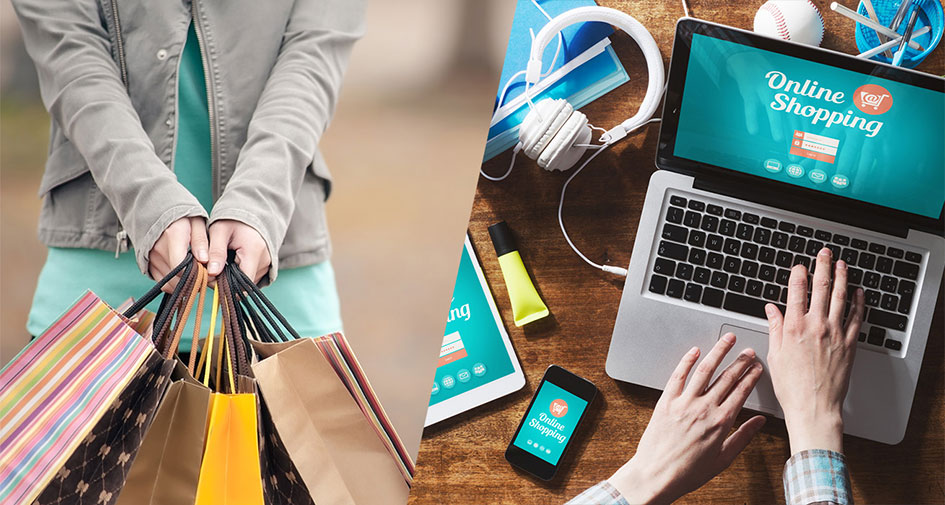
The rapid expansion of low-cost global e-commerce platforms has triggered an international debate about transparency, fairness, and ethical responsibility in online retail. While these platforms attract shoppers with extremely low prices, serious allegations surrounding labor exploitation, consumer manipulation, and unfair competition have led to growing concerns among regulators, businesses, and advocacy groups.
Investigations from various countries have intensified scrutiny of unethical supply chains, counterfeit goods, and deceptive marketing tactics that harm both consumers and local retailers. At the center of this issue lies a pressing question: should low costs be allowed to come at the expense of human dignity and fair trade?
Responsible retailers that focus on ethical sourcing demonstrate that commerce can succeed without compromising honesty or labor rights. These companies provide a dependable alternative to questionable marketplaces that place profits above people.
Human Rights Concerns Behind Ultra-Cheap Production
Many low-cost online sellers rely on sourcing channels whose transparency remains uncertain. Reports from international watchdog organizations indicate possible involvement of suppliers linked to forced or abusive labor environments. Such claims have particularly focused on controversial industrial regions where laborers face restricted freedoms, poor working conditions, and insufficient wages.
This exploitation not only violates global human rights standards but also creates a distorted pricing environment. Ethical businesses that respect workers’ rights cannot compete with artificially lowered costs derived from exploitation. Supporting retailers committed to fair labor helps ensure the products purchased are not tied to injustice or coercion.
Deceptive Marketing Tactics and Consumer Manipulation
Cheap platforms increasingly rely on misleading promotional strategies to influence purchasing behavior. Consumers have reported product bait-and-switch tactics, hidden shipping fees, exaggerated descriptions, and heavily subsidized pricing that misrepresents product quality.
These practices jeopardize consumer trust and undermine the integrity of the digital marketplace. Governments in multiple countries have responded by strengthening oversight to protect buyers from deceptive persuasion mechanisms.
Ethical online retailers maintain transparency throughout the shopping process. Clear product information, honest pricing, and accurate delivery expectations create confidence and ensure that customers know exactly what they are paying for.
Unfair Competition and the Decline of Local Businesses
Aggressive price dumping and intellectual property disputes are major concerns linked to low-cost e-commerce platforms. By selling goods below market value and replicating designs from independent brands, these platforms weaken the sustainability of legitimate small and medium enterprises.
Local retailers rely on fair, rules-based competition to survive. When large foreign platforms distort market equilibrium, domestic economies suffer job losses, reduced tax revenue, and declining entrepreneurial growth.
Ethical commerce advocates emphasize that supporting trustworthy businesses stimulates communities, preserves creativity, and protects long-term economic health.
Why Consumers Are Choosing Ethical Alternatives
Shoppers worldwide are becoming more cautious with their spending choices. Transparency, sustainability, and accountability influence purchasing decisions more than ever before. Ethical retailers are proving that profitability is achievable without exploiting workers or misleading customers.
Conscientious consumers are shifting their loyalty to online stores that:
- Source products responsibly
- Support local economic ecosystems
- Provide accurate product information
- Respect intellectual property
- Prioritize human well-being over maximized profit
These values promote a future where innovation and fairness thrive together.
Support Ethical Shopping: A Better Direction for E-commerce
The growing global pushback against unethical marketplaces signals a powerful shift in consumer awareness. By supporting businesses driven by integrity, shoppers contribute to a marketplace that values human rights, fair wages, and authentic craftsmanship.
Choosing ethical retailers ensures that your purchase reflects your principles. Responsible shopping is not just a transaction. It is a statement.
Explore trusted options for ethically sourced and carefully curated products through these platforms:
- GiftTree NZ: www.gifttree.co.nz
- GiftTree AU: www.gifttree.com.au
- GiftTree US: www.gifttree.us
- GiftTree CA: www.gifttrees.ca
- GiftTree UK: www.gifttree.co.uk
- The Node (NZ): www.thenode.co.nz
Support fairness. Support transparency. Support ethical ecommerce. Your choice can help shape a more honest marketplace for everyone.