
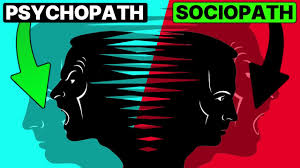
When we hear terms like sociopath and psychopath, Hollywood often clouds our understanding with dramatic portrayals. But what does sociopath vs. psychopath truly mean in clinical terms? These labels aren’t just buzzwords—they reflect real differences in personality disorders rooted in antisocial behavior. Understanding sociopath vs. psychopath is vital for anyone trying to grasp mental health and criminal psychology.
While both fall under Antisocial Personality Disorder (ASPD), their characteristics, emotional triggers, and behaviors differ significantly. Why does one manipulate coldly while the other lashes out impulsively? The answer lies in the nuanced traits that separate a sociopath from a psychopath. Let’s break down each term, compare their traits, and explore how experts differentiate between these dangerous personalities.
What Is a Sociopath? Key Traits and Behavior
A sociopath is someone with ASPD who displays impulsive behavior, intense mood swings, and a clear disregard for social norms. When analyzing sociopath vs. psychopath, sociopaths tend to form emotional attachments—though often shallow or manipulative. They are prone to angry outbursts and struggle with long-term planning.
Unlike psychopaths, sociopaths can feel guilt or remorse but often rationalize their actions. Their volatile nature makes them easier to spot. Many sociopaths have a history of criminal behavior and are known for reckless decision-making without concern for consequences. Their behavior is often shaped by environmental factors such as childhood trauma or abuse.
What Is a Psychopath? Understanding the Calm, Calculated Mind
Psychopaths, by contrast, are calculated, manipulative, and often appear charming on the surface. In the sociopath vs. psychopath debate, this group lacks true empathy and rarely forms emotional bonds. They mimic normal emotions to manipulate others, often blending into society effortlessly.
A psychopath’s brain shows abnormalities in the amygdala and prefrontal cortex, areas related to emotion and impulse control. This neurological wiring helps them stay calm under pressure and plan meticulously. They may hold jobs, build families, and still live double lives marked by deceit and exploitation. Their coldness is rooted more in nature than nurture.
Sociopath vs. Psychopath: Emotional Regulation and Impulse Control
One of the starkest differences between sociopaths and psychopaths is how they handle emotions and impulses. Sociopaths are impulsive and erratic. They act out in rage, often without thinking. Their behavior is loud, confrontational, and easily noticeable.
Psychopaths, however, are calculated. They don’t lose control easily. Their calm demeanor is deceptive, allowing them to manipulate situations to their advantage. In the sociopath vs. psychopath spectrum, this makes psychopaths more dangerous. They are better at hiding their intentions and planning long-term manipulation or harm without displaying emotion.
Can Sociopaths or Psychopaths Feel Remorse?
Remorse is another dividing line in the sociopath vs. psychopath discussion. Sociopaths, though capable of feeling guilt or shame, often suppress it. Their moral compass is skewed but not entirely broken. Some may show regret if it serves their interest or helps avoid punishment.
Psychopaths lack genuine remorse. They might fake apologies, but they don’t truly care about the harm they cause. Their lack of conscience is profound, and their interactions are typically self-serving. This emotional void makes rehabilitation difficult and relationships nearly impossible to maintain with authenticity.
Social Relationships: Are Psychopaths Better at Faking It?
In the realm of sociopath vs. psychopath, relationships are key indicators. Sociopaths find it hard to maintain stable relationships. Their temper, poor impulse control, and disregard for others often lead to social isolation.
Psychopaths, however, may seem well-adjusted. They often mimic empathy, charm, and social niceties. This allows them to manipulate others easily. Their relationships are often superficial and exploitative, but they can maintain them long enough to achieve their goals. Psychopaths are master manipulators, making them harder to detect.
Causes and Development: Nature vs. Nurture
When it comes to sociopath vs. psychopath, nature and nurture play distinct roles. Sociopathy is more associated with environmental factors—abuse, neglect, or traumatic events. This suggests sociopaths are often “made” rather than “born.”
Psychopathy, in contrast, is believed to have stronger genetic and neurological roots. Brain scans of psychopaths show structural differences that correlate with their lack of empathy and emotional response. This biological basis makes psychopathy more difficult to treat and possibly present from an early age.
Diagnosing Sociopaths vs. Psychopaths: The Clinical Challenge
Clinicians use tools like the DSM-5 and the Hare Psychopathy Checklist to differentiate antisocial behaviors. However, sociopath vs. psychopath isn’t a clear-cut diagnostic label. In fact, both fall under ASPD, making diagnosis nuanced.
Mental health professionals look for patterns of behavior, emotional response, criminal history, and neurological factors. While “psychopath” is more often used in forensic psychology, “sociopath” is frequently applied in behavioral contexts. Accurate diagnosis is essential for treatment, risk assessment, and rehabilitation.
How Dangerous Are Sociopaths Compared to Psychopaths?
When assessing risk in sociopath vs. psychopath, psychopaths are often more dangerous due to their planning skills and emotional detachment. Sociopaths may act violently in the heat of the moment, but they are more likely to get caught due to lack of control.
Psychopaths can commit long-term fraud, abuse, or even violent crimes while appearing normal. Their calculated approach and lack of fear or guilt make them a greater risk to society. They often hold positions of power, using charm and manipulation to exploit others without remorse.
Treatment Options: Can Sociopaths or Psychopaths Change?
Both sociopaths and psychopaths are resistant to treatment, but not equally. Sociopaths, influenced by environmental factors, may show some improvement through therapy and consistent intervention. Cognitive Behavioral Therapy (CBT) can sometimes help reshape destructive behavior.
Psychopaths, however, respond poorly to traditional therapy. Their lack of emotional depth makes it difficult to form the connections necessary for meaningful change. Treatment usually focuses on risk management rather than rehabilitation. In the sociopath vs. psychopath spectrum, sociopaths have a slightly better chance of reform, though it’s still extremely limited.
Summary: Sociopath vs. Psychopath – What Truly Sets Them Apart?
Understanding the difference between sociopath vs. psychopath is more than just defining two terms. It’s about recognizing patterns of harmful behavior that exist in society. Sociopaths are emotionally erratic, prone to rage, and shaped by trauma. Psychopaths are cold, calculating, and born with neurological differences.
Both are dangerous in their own ways. But while sociopaths burn bridges loudly, psychopaths often destroy lives quietly. Recognizing these traits in real-life settings—whether in personal relationships or criminal investigations—is critical for protection, prevention, and awareness.
Frequently Asked Questions (FAQ)
Q1: What is the main difference between a sociopath and a psychopath?
A: The primary difference lies in emotional control and empathy. Sociopaths are impulsive and prone to emotional outbursts, while psychopaths are calm, calculated, and lack genuine empathy.
Q2: Are sociopaths more dangerous than psychopaths?
A: Generally, psychopaths are more dangerous due to their ability to manipulate and hide their intentions. Sociopaths are easier to identify but can be violent and unpredictable.
Q3: Can sociopaths or psychopaths feel love?
A: Sociopaths may form shallow attachments or dependencies, but psychopaths typically view relationships as tools for manipulation, lacking real emotional bonds.
Q4: What causes someone to become a sociopath or psychopath?
A: Sociopathy is often linked to environmental trauma, while psychopathy is believed to stem from genetic and neurological factors.
Q5: Can therapy help sociopaths or psychopaths?
A: Therapy may help sociopaths manage behaviors, especially if started early. However, psychopaths are generally resistant to treatment due to their emotional detachment and lack of conscience.