
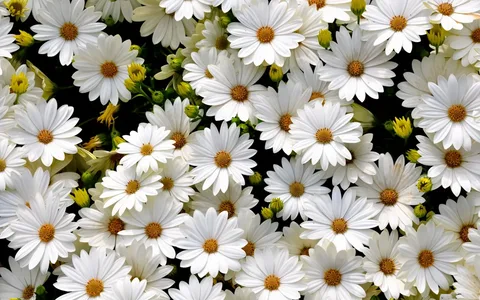
White flowers have long captured the human imagination with their pure, delicate, and graceful beauty. Universally admired, these blossoms often represent innocence, humility, and peace. However, when we dive deeper into global customs and beliefs, we find that the meaning of white flowers shifts significantly depending on cultural context. From symbolizing new beginnings to mourning and remembrance, white flowers carry a range of emotional and spiritual significance around the world. In this article, we’ll explore the secret meanings of white flowers in various cultures — and how you can find the perfect ones from an online flower shop Ajman to express your feelings with depth and authenticity.
1. The Purity of White Flowers in Western Cultures
In Western cultures, white flowers are most commonly associated with purity, innocence, and new beginnings. This is why they are a staple at weddings. The white bridal bouquet symbolizes the bride’s pure heart and hope for a blessed future. White roses, lilies, and orchids are particularly popular for such ceremonies.
When you order wedding flowers online, white blooms often top the list for their elegance and timeless appeal. They set a romantic and serene mood, making them ideal not just for the bride’s bouquet but also for centerpieces and venue decoration.
Besides weddings, white flowers are used in funerals across the West. White lilies and chrysanthemums, for example, are symbols of remembrance and spiritual peace, offering comfort during times of grief.
2. The Sacred Symbolism of White Flowers in Eastern Cultures
Eastern cultures, including Chinese, Japanese, and Indian traditions, assign deep spiritual meaning to white flowers—often with nuances very different from the West.
In China, white flowers—especially chrysanthemums—are traditionally used during funerals. They represent death, mourning, and respect for the deceased. Sending white flowers during non-funeral occasions can even be considered inappropriate in Chinese culture. That said, white lotuses are revered in Buddhism for symbolizing purity of thought and enlightenment.
In Japan, the white chrysanthemum is the national flower, symbolizing longevity and rejuvenation. However, similar to China, white flowers are frequently seen at funerals and memorial services.
In India, white flowers like jasmine and marigold are often used in religious rituals and spiritual offerings. White symbolizes purity, devotion, and the soul’s journey toward the divine. During mourning, white is also the color of clothing worn by widows and grieving families, underlining its association with solemnity and transition.
3. White Flowers in Middle Eastern Traditions
In Middle Eastern cultures, the meaning of white flowers also varies depending on the occasion. They are commonly used in weddings to represent new beginnings and spiritual purity. The simplicity of white blooms adds grace to traditional celebrations, particularly when adorned with gold and green—a color combination signifying wealth and prosperity.
An online flower shop Ajman may offer a curated range of white floral arrangements that cater to both contemporary and traditional tastes. This region, rich in heritage and hospitality, often incorporates white flowers into home decor and ceremonial events to create an atmosphere of elegance and warmth.
4. Symbolism of White Flowers in African Cultures
In several African communities, white flowers are used in rituals and ceremonies that honor ancestors and celebrate life transitions. For example, in some West African spiritual practices, white flowers are offered to deities and spirits as a sign of respect and to attract blessings. These offerings are part of complex ceremonies intended to ensure harmony and protection.
In other contexts, white flowers are used in weddings, naming ceremonies, and spiritual gatherings, emphasizing peace, clarity, and the sacred nature of life stages.
5. The Universal Appeal of White Flowers
Despite the differences across cultures, one thing remains consistent: white flowers speak a universal language of emotion. Whether it is a white rose for love, a white lily for remembrance, or a white orchid for elegance, these flowers evoke strong feelings that words sometimes fail to express.
Today, with digital convenience, you can order wedding flowers online or send a heartfelt bouquet from an online flower shop Ajman to convey your message in moments. The versatility of white flowers makes them a thoughtful gift for many occasions—weddings, memorials, baby showers, or even a simple gesture of sympathy or appreciation.
6. Choosing the Right White Flower for the Occasion
Given their varied meanings, it’s important to choose the appropriate white flower for the right context:
- Weddings: White roses, peonies, and orchids symbolize pure love and new beginnings.
- Funerals: White lilies, chrysanthemums, and carnations represent peace and eternal rest.
- Spiritual rituals: White lotus, jasmine, and marigold denote purity and divine connection.
- Celebrations: White tulips and daisies are cheerful yet elegant, ideal for birthdays or housewarmings.
Whether you’re celebrating joy or offering solace, white flowers always make a profound impact.
Conclusion: Timeless Beauty, Deep Meaning
White flowers are more than just aesthetically pleasing—they are cultural messengers that carry deep emotional and spiritual meaning. By understanding what these blooms represent in different traditions, you can communicate with greater empathy and sensitivity.
If you’re planning a special event or looking for a meaningful gift, you can order wedding flowers online or browse an online flower shop Ajman to find an arrangement that speaks your heart. Whether you’re honoring love, life, or memory, white flowers remain a timeless and powerful symbol across the globe.