
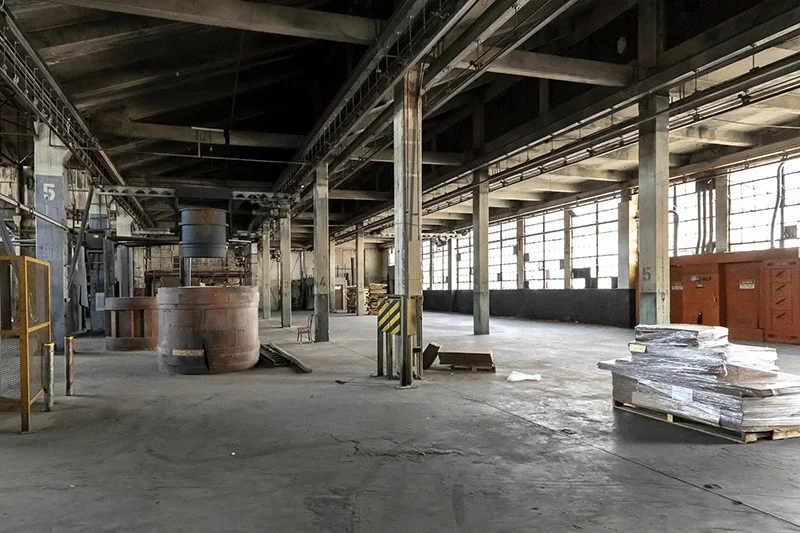
Indoor Filming Locations Echo Park can offer creative teams a range of interior settings for films, commercials, interviews, music videos, and photography projects. Echo Park is a popular Los Angeles neighborhood with a mix of residential buildings, creative spaces, local businesses, and distinctive architecture. Choosing the right indoor space helps a production team create the desired look while managing time, equipment, and budget. Before booking a location, it is important to understand the project’s needs, check the property’s rules, and make sure the space is suitable for the planned shoot.
Why Choose Indoor Spaces for Filming
Indoor locations give filmmakers greater control over the shooting environment. Unlike outdoor settings, interiors can provide shelter from rain, strong winds, and changing sunlight. This makes it easier to plan a schedule and maintain a consistent look throughout a scene. An indoor space can also support different creative styles. A simple living room may work for a family scene, while a modern loft could suit a fashion campaign or a brand video. Studios and offices can provide a professional setting for interviews, product demonstrations, and business content. The best choice depends on the script, the camera setup, the number of people involved, and the atmosphere the production needs to create.
Types of Indoor Locations to Consider
Apartments and Residential Interiors
Apartments and houses can create realistic backgrounds for storytelling. They are useful for scenes involving daily life, conversations, family activities, and personal experiences. Different furniture styles, wall colors, windows, and room layouts can help establish a character’s personality. Before selecting a residential property, check the available floor space, electrical access, noise levels, and rules about moving furniture. Confirm that the owner permits filming and that the planned crew size is acceptable.
Lofts and Creative Workspaces
Lofts often feature open layouts, large windows, exposed brick, and simple architectural details. These features can create an attractive background for fashion shoots, interviews, promotional videos, and independent films. An open layout may also allow camera operators to move more freely. However, a large room does not always provide good sound control. Check for echoes, outside traffic, nearby construction, and noise from shared buildings before confirming the booking.
Studios and Production Rooms
A studio can be a practical choice when a project needs a controlled environment. Some spaces provide plain walls, adjustable lighting, power access, and room for equipment. Others may have prepared sets or areas designed for photography and video production. Ask the studio manager about available facilities, setup time, access hours, and restrictions on equipment. A clear understanding of these details can help prevent delays on the shoot day.
How to Match a Location to Your Project
Every production has different requirements, so location selection should begin with a clear creative brief. Identify the scenes you need to capture, the number of people attending, and the visual style you want to achieve. For a commercial, the space may need to support product placement and branded backgrounds. For a short film, the layout may need to accommodate several actors and different camera angles. For a talking-head video, a quiet room with attractive lighting may be more important than a large floor area. Prepare a shortlist of possible spaces and compare them using the same criteria. Consider room size, ceiling height, natural light, sound conditions, restroom access, parking, and the distance between the entrance and filming area. If your project requires a different neighborhood, indoor filming locations Culver City may be worth researching as an alternative. Compare the available spaces against your creative requirements rather than choosing a location based on appearance alone.
Lighting and Sound Considerations
Lighting can change how an interior looks on camera. Large windows may provide soft daylight, while darker rooms may need additional lighting equipment. Visit the location at a similar time to your planned shoot to understand how sunlight enters the space. Ask whether curtains, blinds, or existing fixtures can be adjusted. Check for reflective surfaces that may cause unwanted glare. If you are bringing professional lights, confirm the electrical capacity and whether the property allows the use of stands, cables, and other equipment. Sound is equally important. Air conditioners, refrigerators, traffic, and neighboring businesses can affect recorded audio. Listen carefully during the location visit and ask whether noisy equipment can be switched off during filming. A small test recording can reveal issues that may not be obvious during a normal walkthrough. Taking this step early can reduce the need for expensive audio corrections later.
Budgeting for an Indoor Film Shoot
The cost of an indoor location depends on its size, facilities, booking duration, and permitted activities. Some property owners charge by the hour, while others offer half-day or full-day rates. Additional costs may apply for overtime, cleaning, security, furniture changes, or equipment use. Build a complete budget before making a booking. Include the location fee, transport, lighting, sound equipment, crew expenses, insurance, and any required permits. Leave some room for unexpected costs. Compare the full value of each space rather than looking only at its rental price. A location with convenient parking, suitable furniture, and enough room for equipment may save time and money elsewhere. When reviewing Film shoot locations Los Angeles, confirm what the quoted price includes and ask for written terms. This helps both the production team and property owner understand their responsibilities.
Permits, Permissions, and Property Rules
Permission is essential when filming inside a privately owned property. Speak with the owner or authorized manager and explain the type of content, crew size, equipment, and expected schedule. Get the agreement in writing before production begins. Depending on the location and the nature of the activity, additional filming permits or approvals may be necessary. Requirements can vary by property, jurisdiction, and production type. Check current rules with the relevant local film office before assuming a private booking covers every requirement. Review access times, noise restrictions, parking arrangements, insurance requirements, and rules about moving furniture. If the property is part of a shared building, confirm whether common areas can be used. Clear communication reduces misunderstandings and helps protect the property during filming.
Planning Access and Crew Movement
A location should work for the people behind the camera as well as the performers. Check the entrance, stairs, elevators, loading areas, and distance from parking. Large equipment cases may be difficult to move through narrow hallways or small doorways. Make sure there is enough room for cameras, tripods, lighting stands, and cables without blocking exits. Plan where the crew will store personal belongings and take breaks. For longer shoots, access to restrooms and drinking water can improve comfort. If your production is considering shooting locations near Silver Lake, compare travel times, parking arrangements, and equipment access before choosing between neighborhoods. Practical details can have a major effect on the daily schedule.
Creating a Simple Location Scouting Checklist
A scouting checklist helps keep the decision process organized. Take photographs of each room, record measurements, and note any limitations. Ask the owner whether the furniture can be moved and whether the crew may use the kitchen, restrooms, or other facilities. Review the location’s availability against the production schedule. Confirm the arrival time, setup period, filming hours, and cleanup deadline. If multiple scenes require different room arrangements, check whether there is enough time to reset the space. For a wider search, film locations near Los Angeles can provide additional options beyond one neighborhood. Keep the creative brief consistent when comparing properties so you can make a fair decision.
Frequently Asked Questions
1. What types of indoor spaces can be used for filming?
Apartments, houses, lofts, offices, studios, and creative workspaces may all be suitable. The best option depends on the script, budget, sound needs, and crew size.
2. Should I visit a location before booking it?
Yes. An in-person visit helps you evaluate lighting, sound, access, room dimensions, and any restrictions that could affect the shoot.
3. Do indoor film shoots need permits?
Some productions require permits or additional approvals. Check with the relevant local film office and property owner before filming.
4. How can I reduce indoor filming costs?
Choose a space that already meets your needs, confirm the full rental fee, limit overtime, and plan equipment and crew access in advance.
5. What should I ask a property owner before filming?
Ask about availability, fees, insurance, permitted activities, equipment, noise, parking, setup time, and cleanup requirements.
Conclusion
Choosing an indoor location takes more than finding an attractive room. The right space should match the creative brief, support the equipment and crew, fit the budget, and meet all permission requirements. Careful scouting and clear communication can help prevent common production problems and make filming more efficient. For help exploring suitable production spaces and planning your search, LA Filming Locations can be a useful starting point for your next creative project.