
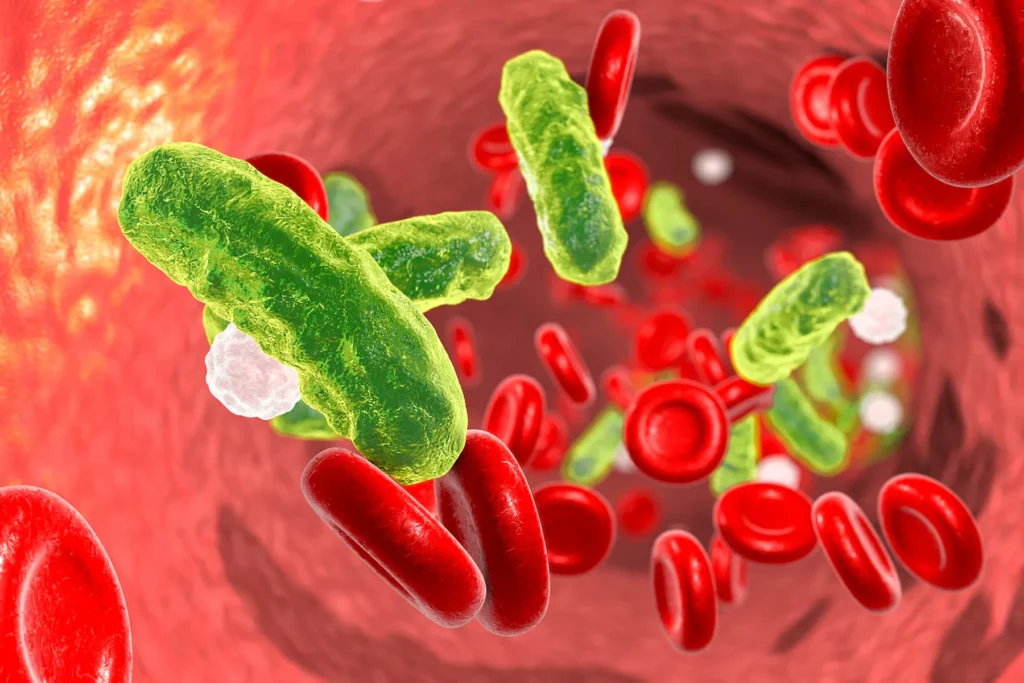
Bloodstream infections (BSIs), also known as bacteremia or septicemia depending on severity and systemic involvement, occur when pathogenic microorganisms enter the bloodstream and trigger a systemic inflammatory response. These infections are clinically significant because they can rapidly progress to sepsis, septic shock, multi-organ dysfunction, and death if not promptly recognized and treated. Understanding the causes of bloodstream infections in patients is essential for prevention, early diagnosis, and appropriate antimicrobial management.
1. Bacterial Infections as the Primary Cause
The most common cause of bloodstream infections is bacterial invasion. Gram-positive and Gram-negative organisms are frequently implicated.
Gram Positive Bacteria
Gram-positive organisms account for a substantial proportion of BSIs. Common pathogens include:
- Staphylococcus aureus Often associated with skin infections, intravenous catheter use, and surgical site infections. Methicillin-resistant strains (MRSA) are particularly concerning.
- Streptococcus pneumoniae Frequently linked to pneumonia that spreads into the bloodstream.
- Coagulase-negative staphylococci Common in catheter-related bloodstream infections.
These organisms typically enter through breaches in skin integrity, invasive devices, or localized infections that disseminate.
Gram-Negative Bacteria
Gram-negative organisms are also significant contributors, particularly in hospitalized patients:
- Escherichia coli Commonly originates from urinary tract infections.
- Klebsiella pneumoniae Associated with pneumonia and hospital-acquired infections.
- Pseudomonas aeruginosa Often seen in immunocompromised patients and those in intensive care units.
These bacteria may translocate from the gastrointestinal tract, urinary tract, or respiratory system into the bloodstream.
2. Catheter-Related Bloodstream Infections (CRBSIs)
In modern healthcare settings, intravascular devices are a major source of BSIs. Central venous catheters (CVCs), peripheral intravenous lines, and implanted ports provide direct access to the bloodstream. Poor aseptic technique during insertion, prolonged catheter dwell time, and biofilm formation increase infection risk.
Biofilms complex communities of microorganisms embedded in a protective matrix allow pathogens to adhere to catheter surfaces and evade immune defenses and antibiotics. Once bacteria enter systemic circulation, patients may rapidly develop fever, chills, and hypotension.
3. Secondary Infections from Other Body Sites
Many bloodstream infections are secondary to localized infections. Common primary sources include:
- Urinary tract infections (UTIs) Particularly in elderly or catheterized patients.
- Pneumonia Lung infections can lead to bacteremia.
- Intra-abdominal infections Such as appendicitis, peritonitis, or biliary tract infections.
- Skin and soft tissue infections Including cellulitis and abscesses.
When pathogens overwhelm local immune defenses, they penetrate blood vessels and disseminate.
4. Surgical and Invasive Procedures
Surgical interventions, especially those involving the gastrointestinal or genitourinary tract, can introduce microorganisms into the bloodstream. Inadequate sterilization, prolonged operative times, and postoperative wound infections increase risk.
Endoscopic procedures, dental procedures, and invasive diagnostic interventions may also cause transient bacteremia. While often self-limited in healthy individuals, immunocompromised patients may develop persistent bloodstream infections.
5. Immunosuppression and Host Factors
Patient-related factors significantly influence susceptibility to BSIs. Immunocompromised individuals are particularly vulnerable. Risk factors include:
- Chemotherapy for cancer
- HIV/AIDS
- Organ transplantation
- Long-term corticosteroid therapy
- Diabetes mellitus
- Advanced age
In these populations, weakened immune surveillance allows pathogens to proliferate and invade the bloodstream more easily.
6. Hospital Acquired (Nosocomial) Infections
Healthcare-associated bloodstream infections are common in hospitalized patients, particularly those in intensive care units (ICUs). Factors contributing to nosocomial BSIs include:
- Mechanical ventilation
- Indwelling urinary catheters
- Prolonged hospitalization
- Broad-spectrum antibiotic exposure
- Multidrug-resistant organisms
Hospital environments may harbor resistant strains, making treatment more complex and increasing morbidity and mortality.
7. Fungal Bloodstream Infections
Although less common than bacterial infections, fungi can also cause BSIs. The most frequent pathogen is Candida albicans. Candidemia is particularly prevalent among critically ill patients, those receiving total parenteral nutrition, and individuals with prolonged antibiotic use.
Fungal bloodstream infections often require antifungal therapy and removal of infected devices.
8. Contaminated Medical Equipment or Injectables
Improper sterilization of medical devices or contamination during drug preparation can introduce pathogens directly into circulation. In rare cases, contaminated injectable medications or intravenous fluids may serve as sources.
In healthcare supply chains, ensuring quality control and proper storage of antibiotics is crucial. For example, facilities sourcing ceftriaxone injection wholesale must verify supplier compliance with Good Manufacturing Practices (GMP) to prevent contamination and ensure therapeutic efficacy. Ceftriaxone, a third-generation cephalosporin, is widely used for treating sepsis and severe bacterial infections, but improper handling could compromise patient safety.
9. Community Acquired Bloodstream Infections
Not all BSIs originate in hospitals. Community-acquired bloodstream infections may result from untreated infections such as:
- Skin wounds
- Dental abscesses
- Respiratory infections
- Urinary tract infections
Prompt outpatient treatment reduces progression to bacteremia. Empiric antibiotic therapy, including agents like ceftriaxone injection wholesale formulations supplied to clinics and emergency departments, is often initiated before culture results are available in suspected severe infections.
10. Sepsis and Systemic Inflammatory Response
When microorganisms enter the bloodstream, they trigger a systemic inflammatory response. Bacterial toxins (endotoxins in Gram-negative organisms and exotoxins in Gram-positive organisms) stimulate cytokine release, leading to:
- Fever
- Tachycardia
- Hypotension
- Organ dysfunction
If untreated, this can escalate to septic shock, characterized by persistent hypotension and high mortality.
Diagnosis and Management Overview
Diagnosis typically involves:
- Blood cultures (multiple sets)
- Complete blood count
- Inflammatory markers (CRP, procalcitonin)
- Imaging studies to identify primary infection source
Treatment strategies focus on:
- Prompt empiric broad-spectrum antibiotics
- Source control (e.g., drainage of abscess, catheter removal)
- Supportive care (fluid resuscitation, vasopressors if needed)
Ceftriaxone is frequently used as part of empiric regimens due to its broad Gram-negative and some Gram-positive coverage. Healthcare providers procuring ceftriaxone injection wholesale supplies must ensure proper cold-chain management and regulatory compliance to maintain drug stability and potency.
Prevention Strategies
Preventing bloodstream infections requires a multifaceted approach:
- Strict hand hygiene protocols
- Aseptic catheter insertion techniques
- Early removal of unnecessary invasive devices
- Antimicrobial stewardship programs
- Vaccination against preventable infections (e.g., pneumococcal vaccine)
Education of healthcare workers and adherence to infection control guidelines significantly reduce incidence rates.
Conclusion
Bloodstream infections arise from multiple pathways, including localized infections, invasive medical devices, surgical procedures, and compromised immune defenses. Bacterial pathogens such as Staphylococcus aureus, Escherichia coli, and Klebsiella pneumoniae remain the leading causes, though fungal organisms like Candida albicans also contribute, especially in critically ill patients.
Early recognition, accurate microbiological diagnosis, and timely antimicrobial therapy are essential to improve outcomes. Ensuring safe procurement and quality assurance such as when sourcing ceftriaxone injection wholesale plays a supportive but important role in effective treatment. Ultimately, prevention through infection control practices and risk factor management remains the most effective strategy to reduce the burden of bloodstream infections in patients.