
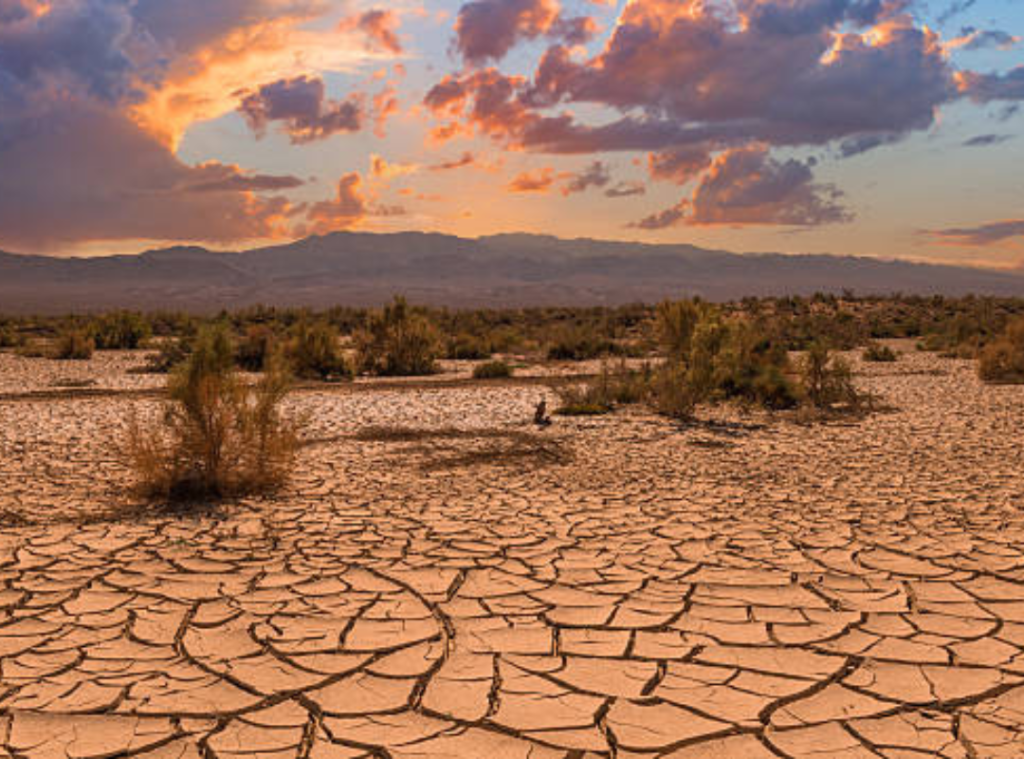
Deserts are among the harshest environments on Earth, yet desert animals have evolved extraordinary abilities to survive extreme heat, scarce water, and intense sunlight. However, as climate change accelerates, these delicate ecosystems are becoming even more unpredictable. Rising temperatures, shifting weather patterns, and prolonged droughts are reshaping the natural balance that sustains life in arid regions. For many species, these changes threaten their ability to find food, locate water, and regulate body temperature. Understanding how climate change affects these resilient creatures is essential, not only for conservation efforts but also for appreciating how fragile desert ecosystems truly are.
Rising Temperatures and Their Impact on Desert Animals
Temperature increases are one of the most immediate consequences of climate change, and desert animals are feeling the effects more than most. Although these species are adapted to heat, there is a threshold beyond which survival becomes difficult. For example, reptiles rely on external temperatures to control their body heat, but extreme spikes can lead to overheating and decreased hunting opportunities. Small mammals such as jerboas and desert foxes are forced to spend more time in burrows to escape the heat, reducing their foraging time and affecting their nutrition levels. Over time, these changes disrupt food chains, breeding cycles, and overall species stability across desert environments.
Drought and Disappearing Water Sources
Deserts naturally receive limited rainfall, but climate change has intensified drought conditions, making water even more scarce. This deeply affects desert animals, many of which depend on seasonal rains to access temporary ponds, vegetation growth, and prey availability. With rainfall becoming unpredictable, animals like camels, gazelles, and desert amphibians struggle to maintain hydration. In addition, dried-up plants mean reduced shelter and food for herbivores. Predators, too, are impacted because dwindling prey populations lead to increased competition. The cycle of scarcity caused by prolonged drought decreases species resilience and increases mortality rates, especially for younger animals that are more vulnerable to dehydration.
Shifts in Food Availability and Habitat Loss
Another significant impact of climate change is habitat alteration. Vegetation patterns are shifting, with some plant species disappearing entirely from regions they once dominated. This creates a cascading effect throughout the desert ecosystem, particularly for desert animals that rely on specific plants for food or shelter. Insects decline when host plants vanish, which affects birds, reptiles, and small mammals. Larger predators also suffer as prey populations diminish. Additionally, invasive species that thrive in warmer temperatures can outcompete native plants, reducing biodiversity. These subtle but powerful changes make it increasingly difficult for desert wildlife to adapt quickly enough to survive.
Digital Storytelling for Conservation Awareness
As climate change continues to reshape desert ecosystems, digital media has become a valuable tool for raising awareness. Many conservationists are now collaborating with creative studios to document wildlife challenges through visually engaging content. In fact, the use of virtual production services in Dubai has enabled filmmakers and environmental organizations to recreate desert environments with remarkable accuracy. This technology helps tell compelling climate stories without disturbing fragile habitats. By blending immersive visuals with real scientific data, digital storytelling plays a powerful role in highlighting the struggles of desert animals and encouraging public involvement in their protection.
Extreme Weather Patterns and Behavioral Changes
Beyond gradual changes like rising temperatures, climate change also increases the frequency of extreme weather events. Sudden sandstorms, flash floods, and unpredictable cold snaps can severely impact desert animals. Species that once relied on predictable seasonal cues now struggle with irregular breeding cycles and migration patterns. Birds arriving too early or too late for seasonal food sources may not survive the season. Similarly, reptiles that hatch during unexpected cold spells face increased mortality. These disruptions are especially dangerous because many desert species already operate with narrow survival margins. Even small alterations in weather patterns can cause long-term population decline.
Enhancing Wildlife Documentation Through Advanced Visual Techniques
Visual media plays an important role in scientific research and environmental education, particularly when showcasing the challenges faced by desert ecosystems. Production studios often use sophisticated post-production tools to highlight subtle details in wildlife footage. When documenting the struggles of desert animals, techniques such as advanced color enhancement can help viewers better understand these harsh environments. This is where color grading services in Dubai have become increasingly relevant, offering filmmakers the ability to refine desert landscapes and create powerful, emotive visuals. These enhanced films support conservation efforts by making scientific information more engaging and accessible for global audiences.
Future of Desert Species in a Changing Climate
Looking ahead, the survival of desert animals will depend heavily on global climate action and continued conservation initiatives. Species that once thrived under extreme conditions are now facing challenges beyond their natural limits. Protecting desert biodiversity requires preserving habitats, supporting scientific research, and reducing carbon emissions on a global scale. Local conservation programs can help restore water sources, monitor endangered populations, and educate communities about sustainable environmental practices. While deserts may seem resilient, their ecosystems are far more delicate than they appear. The actions taken today will determine whether future generations will still witness the remarkable diversity of life that deserts hold.