
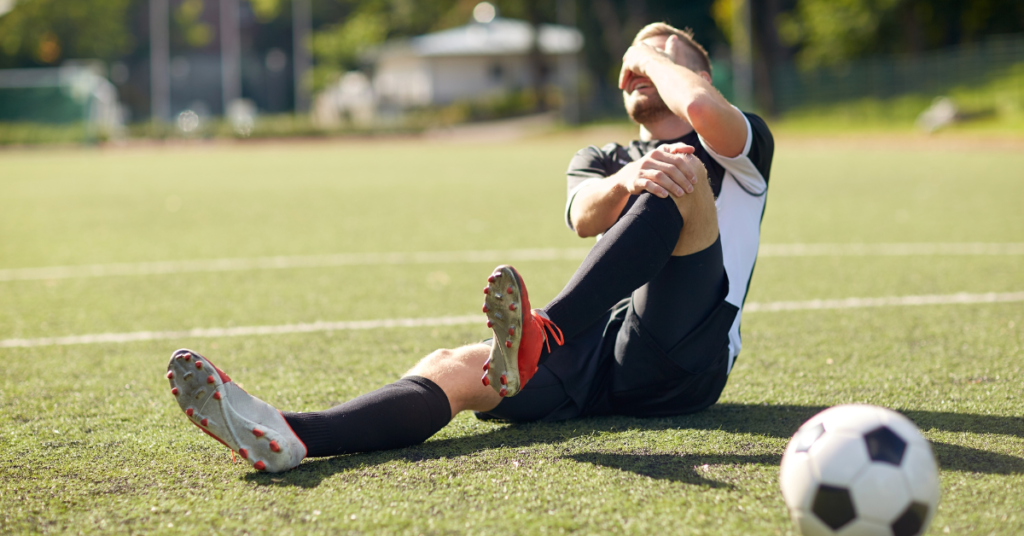
Sport injuries extend far beyond physical damage. They penetrate confidence, motivation, identity, and mindset. Understanding the psychology of sport injury gives athletes a powerful advantage in recovery helping them rebuild resilience, sharpen focus, and return to performance with strength and clarity. As specialists in psychological rehabilitation, we explore the emotional, cognitive, and behavioural processes that shape recovery and long-term performance.
Understanding the Psychological Impact of Sport Injuries
When athletes get injured, the disruption goes deeper than pain and physical limitations. The psychological effects of injury can reshape how athletes see themselves, how they interpret setbacks, and how they envision their future in sport.
Key Psychological Responses to Injury
- Loss of athletic identity
Many athletes define themselves through performance. Injury disrupts this self-concept, creating uncertainty and emotional instability. - Fear and anxiety
Fear of re-injury, fear of losing skill, and fear of disappointing others are common emotional reactions that can hinder rehabilitation. - Frustration and helplessness
Reduced autonomy and dependence on others may contribute to emotional fatigue. - Motivational fluctuations
Some athletes become hyper-motivated and rush recovery, while others lose drive altogether.
Mental Barriers That Delay Recovery
Psychological obstacles often slow healing more than the injury itself. Identifying and addressing these barriers is essential for successful rehabilitation.
1. Fear of Re-Injury
Fear changes movement patterns, reduces confidence, and increases the risk of compensatory injuries. Athletes may avoid specific movements, training tasks, or return-to-play decisions even when physically ready.
2. Catastrophising Thoughts
Athletes may imagine the “worst possible outcome”—permanent loss of ability or diminished potential—which amplifies suffering and delays progress.
3. Reduced Body Trust
After injury, athletes often struggle to trust their body. This mistrust decreases performance fluidity and increases stress during rehabilitation.
4. Emotional Dysregulation
Injury triggers emotional turbulence. Without psychological strategies, these emotions can derail consistency and discipline in recovery.
Rebuilding Confidence Through Sports Psychology
Effective recovery integrates physical therapy with mental conditioning. Applying evidence-based psychological strategies supports a structured and resilient return to performance.
Cognitive Restructuring for Healthy Mindset
We guide athletes to challenge destructive thoughts and replace them with empowering, performance-driven beliefs that support long-term growth.
Goal Setting for Structured Progress
Clear, phased goals transform rehabilitation into a measurable process. This enhances motivation and reinforces a sense of control.
Gradual Exposure to Movement
Introducing movements step-by-step reduces fear, restores body trust, and improves biomechanical confidence.
Imagery and Visualisation
Mental rehearsal activates neural pathways that support confidence, technique refinement, and return-to-play readiness.
Mindfulness and Stress Reduction
Calming the mind reduces tension, promotes healing, and enhances focus during rehabilitation.
The Role of Support Networks in Injury Recovery
Recovery thrives in an environment of encouragement, expertise, and clear communication. Teammates, coaches, physiotherapists, and psychologists each play a vital role.
How Support Enhances Recovery
- Reinforces adherence to rehabilitation plans
- Reduces emotional isolation
- Encourages balanced expectations
- Provides accountability for healthy habits
A cohesive support network reduces psychological load and cultivates resilience.
Integrating Physical and Psychological Rehabilitation
The strongest recovery outcomes occur when mental and physical healing are addressed simultaneously. This holistic model enhances performance and reduces the likelihood of recurring injuries.
Key Components of Integrated Rehabilitation
- Collaborative treatment planning between physiotherapists and psychologists
- Education about the psychology of sport injury to empower athletes
- Monitoring of psychological readiness alongside physical metrics
- Return-to-sport decision-making that includes mental evaluations
This approach ensures that athletes return not only stronger but also mentally prepared.
Long-Term Mental Strength After Injury
Injury recovery provides an opportunity for personal and athletic growth. Athletes who embrace psychological strategies often develop stronger emotional resilience, improved focus, and enhanced stress management skills.
Lasting Benefits
- Higher self-awareness
- Greater adaptability
- Improved coping strategies
- Stronger competitive mindset
What initially feels like a setback becomes a catalyst for elevated performance.
Conclusion
A sport injury doesn’t just affect the body, it transforms the athlete’s psychological landscape. Addressing the psychology of sport injury and managing the psychological effects of injury empowers athletes to navigate fear, rebuild confidence, and return stronger than before. Through structured mental strategies and integrated rehabilitation, we support athletes in transforming their recovery into a foundation for long-term success.