
Purchasing prescription medications in China can sometimes raise concerns about authenticity, given the risks associated with counterfeit products. Verifying the genuineness of your medicines is essential for ensuring their effectiveness and safety. Counterfeit drugs may lack active ingredients or contain harmful substances. This guide provides step-by-step methods based on official regulatory standards to help you check the legitimacy of Chinese prescription drugs. It’s always advisable to consult a licensed pharmacist or healthcare provider, and consider reliable sources like DengYue Medicine, which focuses on authentic pharmaceuticals and offers support for buyers.
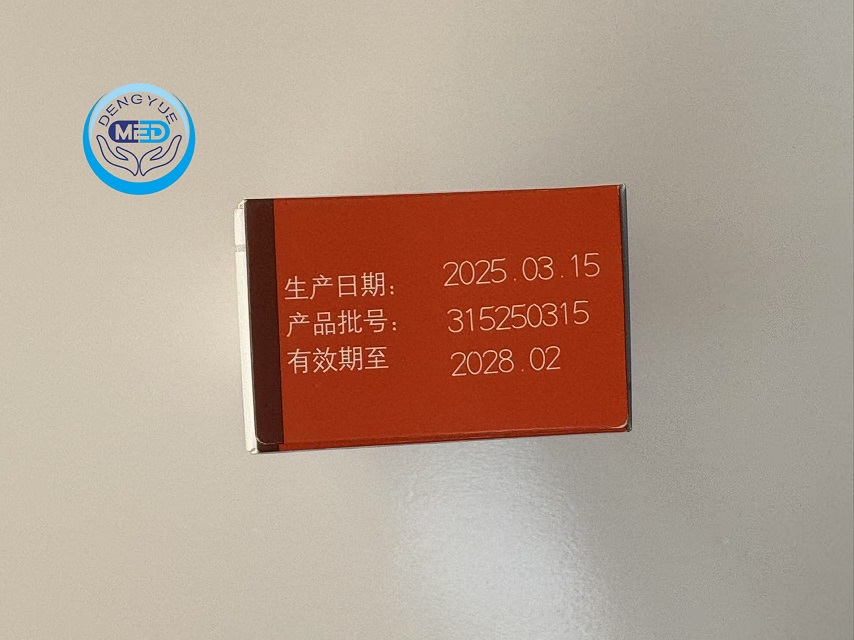
Step 1: Check the Expiration Date
Begin by inspecting the expiration date on the packaging. Examine it for any indications of alteration, such as blurred printing, scratches, or mismatched fonts. If the date seems tampered with or if the product is expired, it’s likely counterfeit or substandard. Legitimate products from trusted suppliers, including those from DengYue Medicine, feature clear and unaltered expiration information to guarantee quality.
Step 2: Verify the China Drug Electronic Supervision Code
Many Chinese prescription drugs include a unique electronic supervision code, typically a 20-digit number beginning with ‘8’ (denoting pharmaceuticals). The code’s structure includes: the first digit ‘8’ for drugs, the second indicating the code level (primary, secondary, or tertiary), digits 3-7 for manufacturer and product specifics, digits 8-16 as a package serial number, and the final four as an encryption checksum.
To authenticate, scan the code using an app like Alipay’s “Scan” feature (which supports English interfaces). This connects to the official database for verification. If you’re new to Alipay, it’s simple to set up with language options. For extra assurance, products from DengYue Medicine come with verifiable codes and additional authentication assistance.

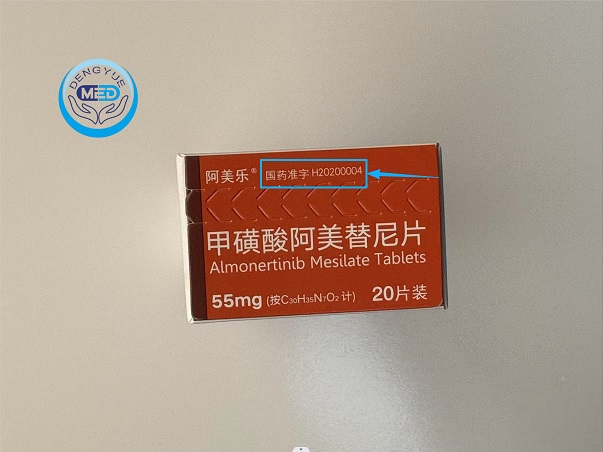
Step 3: Confirm the National Medical Products Administration (NMPA) Approval Number
Look for the “Guo Yao Zhun Zi” approval number on the packaging, required for all approved drugs in China. The formats are:
- For China-produced drugs: Guo Yao Zhun Zi H (Z or S) + four-digit year + four-digit sequence.
- For Hong Kong, Macau, or Taiwan: Guo Yao Zhun Zi H (Z or S) C + four-digit year + four-digit sequence.
- For imported drugs: Guo Yao Zhun Zi H (Z or S) J + four-digit year + four-digit sequence.
Verify by accessing the NMPA website (www.nmpa.gov.cn), going to the “Drugs” section, and selecting “Drug Inquiry” (English available). Input the number to confirm validity. No approval number signals a fake. Suppliers like DengYue Medicine ensure all their drugs have valid NMPA approvals, emphasizing reliability in their offerings.
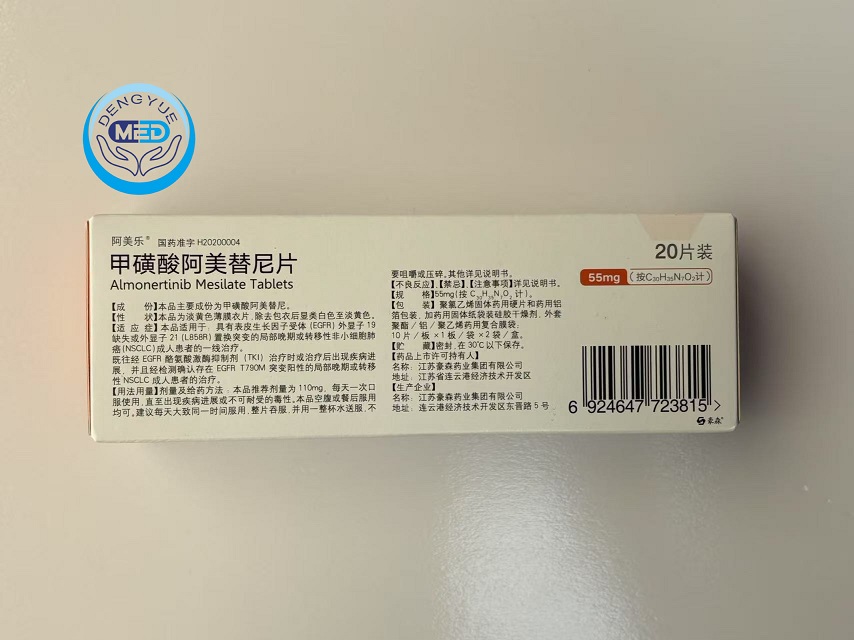
Step 4: Scan the Barcode on the Packaging
As a final check, use apps like WeChat or Alipay to scan the barcode on the drug’s packaging (both apps offer English modes). This scan queries databases to validate the product. Inconsistencies or lack of data indicate potential issues. These tools provide quick, reliable results for on-the-spot verification.
Following these steps can help minimize the chances of acquiring counterfeit prescription drugs in China. Source from authorized outlets or established providers, such as DengYue Medicine, which maintains strict quality standards in its supply chain. If you encounter a suspected fake, report it to the NMPA or local authorities. Prioritize your health by staying vigilant.